Author name: nomllers

Guide to experiencing Kuwait
Asia, Kuwait

A Modern Traveller’s Guide to Experiencing Authentic Kuwait

Visitors often get caught by surprise by Kuwait. Although the country is renowned for its petroleum products and banking industries, it additionally features bustling marketplaces, vast coastlines, and its longstanding traditions. You can explore Kuwait as its residents do, instead of merely traversing shopping centres along with tall buildings, with the support of this tourist guide. Image Resource: unsplash.com First Steps: Arrival and Getting Around Kuwait International Airport is the place where the majority of trips commence. The international airport is effective regardless of being considerably smaller compared to those in Dubai or Doha. Cabs line up outside to transport passengers downtown, and their arrivals move quickly. Additionally, you are able to utilize taxi-hailing applications that are prevalent and extremely secure. Even though traffic may be packed during peak times, highways are broad and proceed rapidly. Since Kuwait Airways connects numerous cities in Asia, Europe, and the Middle East, Kuwait Airways flight booking is often the most convenient way to reach these. Staying active after arriving is simple; if you are interested in traveling away from the city of Kuwait, hire a vehicle, and if you intend to embark on shorter trips, utilize cabs. Markets That Speak of the Past Begin with Souq Al-Mubarakiya if you would like to win the country’s adoration. Desert merchants and pearl divers were known to stop by this historic bazaar. It still continues to offer clothing, scents, fruits, and herbs even today. The ceilings are low, the alleys are small, while the air is perfumed with saffron and cardamom. Prices tend to be reasonable, but negotiating contributes to the enjoyment. The souk demonstrates exactly what Kuwaiti life had been like before its oil boom, whereas shopping centres shimmer with foreign merchandise. Check out a coffee shop, try portions of barbecued fish, and discover how welcoming the residents are towards one another. The time you spend in this marketplace delivers historical context in addition to buying souvenirs. Architecture Old and New Image Resource: unsplash.com The city of Kuwait mixes past attractions with glass-towering structures. The most widely recognized attraction continues to be the Kuwait Towers. They feature eateries and observation platforms that offer stunning panoramas, expanding similar to needles right next to the shoreline. As the city illuminations begin to twinkle and the Gulf appears golden, visit near sunset. The magnificent mosque close by invites you to remain still. Tours are actually accessible to other religious guests, and attire requirements are observed, although not rigid; females are provided with scarves. Although its residents refer to it as an “opera house,” it’s actually much more than that. The location hosts concerts, plays, and performances which demonstrate the country’s artistic ambitions, and its architecture seems to be an innovative masterpiece. Food That Defines Kuwait Image Resource: unsplash.com Machboos, which is served with lamb, chicken, or fish and seasoned with dried lemon along with saffron, is perhaps the most widely consumed food. It is frequently spotted everywhere, including eateries and dwellings. Go for the falafel or shawarma offered by small stalls for inexpensive meals. People continue devouring meals even after midnight, as numerous restaurants stay open after dark. Here, cafés are also vital for everyday life. A Seaside Walk Kuwait has more than three hundred miles of beachfront. Families, lovers, and walkers stroll along the city’s Corniche, which is an extensive walkway alongside the river. The pathway is dotted with coconut palms, and within several blocks, there are eateries and ice cream stores. On weekends, you’ll find children raising kites and enjoying barbecues on the grass. The waterfront serves as one of the city’s most tranquil spots as the sea breeze soothes the blistering desert heat. Drive south toward Fahaheel or venture further south towards Khiran for an even more peaceful sandy beach. The hotels there offer day tickets for diving and water-related activities, plus the water is cooler. Conclusion Kuwait might not appear as extravagant as its neighbouring nations, yet that’s an aspect of its attraction. The country is a tiny yet rich vacation spot that combines modern buildings, desert winds, historic souks, and welcoming citizens. If you arrive here with an open mind, you’ll find a sense of truthfulness that endures with you for quite some time.
Indian trains booking
India

Booking Trains in India: What You Should Know About Tickets and Travel Status

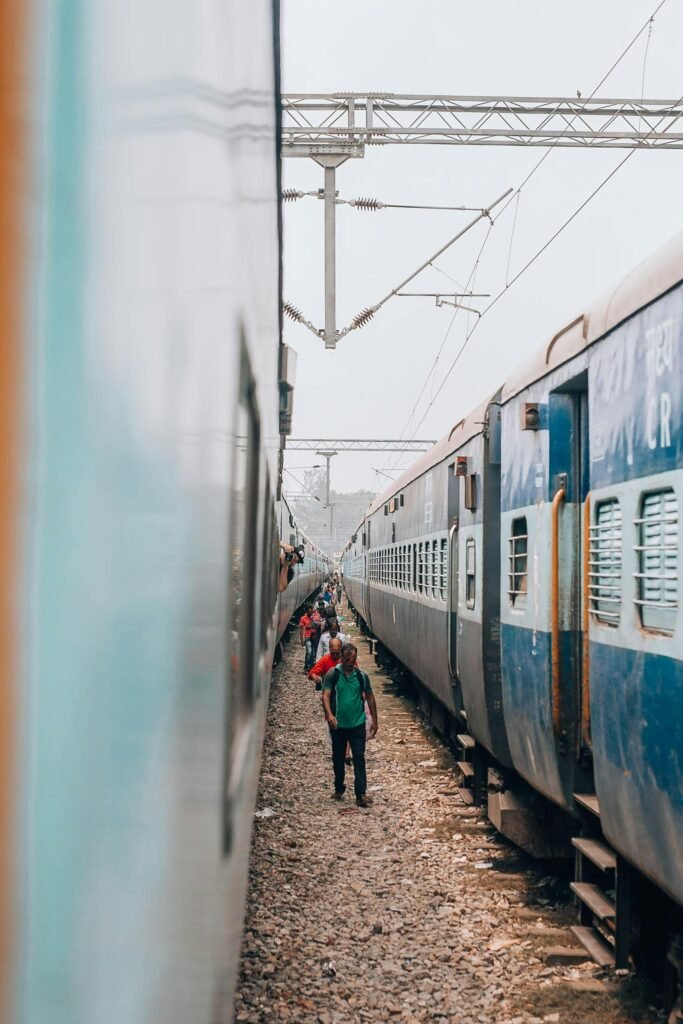
Moving between cities by train remains one of the most used ways of travel in India. Whether it’s a short journey or an overnight route, trains serve as a daily option for many. From early morning departures to late-night arrivals, the network covers nearly every part of the country. After choosing your route and finalising dates, the next step is booking. redBus provides a convenient method to secure train tickets without going to the station. As part of the process, travellers also receive a code known as PNR. This code helps you track the journey status before boarding. The redBus platform allows passengers to book and monitor PNR status through a single account. This makes it easy to know whether your seat is confirmed or still under review. For those relying on trains regularly, keeping track of this can make a difference in how they plan ahead. What Is a PNR and Why Does It Matter A PNR number is issued after a ticket is booked. The full form is Passenger Name Record. This is a 10-digit code that stores data linked to the booking. It includes journey date, seat number, coach, train number, passenger information, and current status. If the seat is confirmed at the time of booking, the PNR status will reflect that. If it isn’t, the ticket is either waitlisted or marked as RAC. Travellers can check the status at any time to see if it has changed. Since train schedules and availability are dynamic, many people check the status multiple times before departure. redBus provides access to this information in a few simple steps. Once you log in and go to the PNR section, you can enter the number and see all current updates. There is no need to visit a counter or call anyone. Booking Train Tickets Online with redBus redBus works directly with IRCTC-approved data and gives users a reliable platform for planning their train trips. The booking process is basic and takes only a few minutes: Steps to book: Once the booking is completed, your ticket appears in the redBus app or site. Along with the ticket, your PNR number will be shown. You can now track the journey status anytime before travel. How to Use PNR Status While Travelling? Every booked train seat carries a status. Not all passengers get a confirmed berth at the time of booking. Due to high demand, many end up with a waitlist. The PNR number allows you to see if that has changed. Tracking PNR status helps in these situations: The best part of RedBus is that it keeps syncing with the railway system. You don’t need to refresh the page or reinstall the app. Once the number is entered, the latest updates will show on the screen. Train Ticket Confirmations Explained: What RAC, WL & PNR Status Really Mean Train seats are booked using a system of quotas and rules. If all confirmed seats are taken, you are placed on a waiting list. If another traveller cancels, your status might move up. That’s why checking the PNR before your trip is important. A confirmed ticket gives you a fixed seat and coach. A RAC ticket gives you access to the train but may involve seat sharing. A waitlist ticket, if not upgraded by the time the chart is prepared, gets cancelled. You cannot board a train with a fully waitlisted ticket. This process follows strict timing. Chart preparation often happens a few hours before the train departs. If your PNR still shows as waitlisted then it means the seat wasn’t confirmed. Booking Early vs Booking Late The closer you get to the travel date, the harder it is to get a confirmed seat. During festival seasons or weekends, demand rises fast. Booking early gives you a better chance of confirmed seats. Using redBus allows you to monitor trains across different times of the day. If one train is full, you can switch to another based on the same route. Tracking multiple PNRs is also possible under the same login. This is useful for family or group travel. You can check all the statuses without logging in and out each time. Extra Tips for Better Train Planning Train travel needs a bit of planning. Once you know how to use the system and keep track of changes, it becomes easy to manage. Tickets and seat status are part of every journey. Using the tools available makes sure you’re ready when the time comes.

Souvenirs to buy from Sikkim
Asia, Destination, India, Sikkim

11 Unmissable Souvenirs to Buy From Sikkim

From handmade woollen carpets renowned for their durability and stunning traditional designs to exotic Temi Tea, the things to buy from Sikkim reflect a cultural tapestry unlike anywhere else in India. Walking through Gangtok’s markets, I discovered that shopping in this Himalayan state goes beyond typical souvenirs; it’s an exploration of rich cultural heritage and artistic traditions. Unlike other shopping destinations, Sikkim offers authentic treasures that showcase a blend of Tibetan, Nepalese, and indigenous influences. However, this makes it challenging to determine what souvenirs hold the most value. In this guide, I’ll share the best hidden gems worth bringing home from your Sikkim adventure. Cultural Keepsakes You Can’t Miss Discovering Sikkim’s spiritual treasures offers a glimpse into centuries-old traditions that few tourists fully appreciate. When seeking authentic things to buy from Sikkim, these cultural artefacts stand out as meaningful keepsakes that carry profound significance beyond mere souvenirs. Prayer flags and their spiritual meaning Among the most vibrant things to buy in Sikkim are the colourful prayer flags (Lung-ta) that adorn monasteries, homes, and mountain passes throughout the region. These rectangular cloth flags come in five colours: blue, white, red, green, and yellow, each representing the five elements: sky, air, fire, water, and earth. What makes these flags special is the belief that as they flutter in the wind, the prayers and mantras printed on them spread positive energy across the landscape.  Tip: For the most authentic options, consider purchasing them at Rumtek Monastery or from the stalls near Enchey Monastery. Thangka paintings: Buddhist art from the Himalayas Thangka paintings rank among the most treasured Sikkim famous things to buy for art enthusiasts. These intricate scroll paintings depict Buddhist deities, mandalas, or important scenes from Buddha’s life. Created using natural mineral pigments on cotton or silk, authentic thangkas require weeks or even months to complete. When shopping in Sikkim for thangkas, prices typically range from ₹ 2,000 for simple designs to over ₹ 50,000 for museum-quality pieces with gold detailing.  The Government Institute of Cottage Industries in Gangtok offers certified, authentic pieces, though MG Marg also houses several reputable dealers.  Traditional masks used in Sikkimese festivals The wooden masks used in Cham dance ceremonies represent some of the most distinctive Sikkim souvenirs available. These hand-carved masks depict various deities and characters from Buddhist mythology, often featuring elaborate designs with bright colours and intimidating expressions. Originally used by monks during religious ceremonies, particularly during the Losar (Tibetan New Year) festival, these masks now serve as powerful decorative pieces.  Tip: Before purchasing any religious item, especially thangkas or masks depicting deities, be sure to ask about proper handling and display protocols as a sign of respect for these culturally significant pieces. Handcrafted Treasures from Local Markets Beyond spiritual artefacts, Sikkim’s markets showcase functional art pieces that bring traditional craftsmanship into everyday living spaces. These handcrafted treasures represent generations of artistic tradition while serving practical purposes in modern homes. Choose tables: Tibetan folding furniture Choksee tables, originating from Tibet, stand out as must-have things to buy from Sikkim for those seeking both beauty and utility. These exquisite folding wooden tables feature elaborate carvings that transform functional furniture into conversation pieces. Craftsmen use local woods like Kath or Tsingh, carefully carving intricate motifs through a meticulous process that involves stencil transfers, drilling, and detailed hand carving. What makes these tables truly special is their collapsible design, which often showcases religious symbols, dragons, snow lions, or nature-themed designs finished in vibrant colours, including blue, green, pink, and gold. Woollen carpets: Handwoven warmth The women of Sikkim’s Bhutia community practice one of the world’s oldest carpet-weaving traditions. When shopping for these carpets in Sikkim, look for distinctive designs featuring dragons holding balls in their mouths, mythical Tibetan birds (such as the dak and jira), stylised floral motifs, or Buddhist iconography. Most carpets still use traditional vegetable dyes and natural materials. Genuine Tibetan carpets typically range from ₹ 3,000 to ₹ 8,000, with prices varying based on complexity and size. Wall hangings and lanterns from MG Marg For affordable yet authentic Sikkim souvenirs, MG Marg offers colourful wall hangings and Tibetan-style lanterns that brighten any space. These decorative pieces feature traditional designs on canvas or paper and start at just ₹100- ₹500. Flavours of Sikkim to Take Home The edible delights of Sikkim represent some of the region’s most prized treasures for travellers seeking authentic things to buy from Sikkim. These culinary gems not only capture the essence of Himalayan flavours but furthermore serve as perfect gifts that continue to evoke memories long after your journey ends. Temi Tea: Sikkim’s organic pride Temi Tea stands as Sikkim’s exclusive tea brand, produced in the state’s only tea garden, established in 1969 and spread across 435 acres. What makes this famous thing to buy from Sikkim exceptional is its distinctive flavour profile, offering delicate floral notes, a golden liquor, and subtle sweetness in its first flush, while the autumn flush delivers well-rounded tastes with hints of warm spices.  Black cardamom and bamboo shoots Sikkim reigns as India’s largest producer of cardamom and the world’s second-largest producer after Guatemala. This aromatic spice, essentially smoke-dried with an intense aroma, brings a distinctive earthy flavour to biryanis and curries. When shopping in Sikkim, consider bringing home bamboo shoots as well, which are a versatile ingredient often paired with the region’s spices in traditional dishes and pickles. Pickles and sauces: Dalle chilli and more The traditional pickles and pastes made from these chillies add distinctive zest to meals and come in various preparations, in oil, vinegar, or pure paste. Wearables and Collectables with a Story Sikkim’s wearable treasures tell stories that connect travellers to the region’s rich cultural heritage in ways that other souvenirs simply cannot. Unlike items displayed on shelves, these things to buy from Sikkim become part of your personal expression and daily life. Handwoven jackets and blankets Among the most sought-after Sikkim famous things to buy are authentic woollen jackets handcrafted by local artisans. Made from 100% natural, locally sourced

Greece Golden Visa
Destination

5 Reasons Greece’s Golden Visa is Perfect for Adventure Travelers in 2025

Greece’s Golden Visa has evolved significantly in 2025, positioning itself as an ideal choice for adventure-seeking investors. Beyond the standard benefits of European residency, Greece’s program offers unique advantages specifically appealing to those with a passion for outdoor exploration. Let’s dive into why adventure travelers should consider this investment option this year. 1. Greece’s 2025 Golden Visa Program: What’s Changed The Greek government has strategically restructured its Golden Visa tiers to balance investment across the country. For property investments, there’s now a three-tier system: €800,000 for high-demand locations (including Athens, Thessaloniki, and tourist-saturated islands), €400,000 for less densely populated regions, and just €250,000 for restorations of protected buildings or commercial-to-residential conversions. This region-specific approach means adventure travelers can often secure their visa for half the investment required in overcrowded tourist hotspots. Properties must generally be at least 120m², and the days of buying solely for short-term rentals are over – the government wants committed investors, not absentee landlords. What’s remarkable is how quickly the process moves. Once biometrics are submitted, approvals typically arrive within two months – significantly faster than comparable European programs. While you’re waiting, temporary residence permits keep you legally exploring Greece’s adventure playgrounds. 2. Unparalleled Adventure Diversity Year-Round Greece offers an astonishing range of adventure environments within a relatively compact geography. Few countries can match the diversity of landscapes available to Golden Visa holders throughout the year. On the mainland, Meteora’s otherworldly rock formations provide world-class climbing routes amid ancient monasteries. Mount Olympus offers mythological treks that climb to 2,918 meters, while Zagori’s stone villages provide basecamp access to the breathtaking Vikos Gorge – one of the world’s deepest canyons. The islands deliver equally remarkable adventures. Crete’s Samaria Gorge draws trekkers from around the globe. Kalymnos has transformed into an international rock climbing destination with hundreds of limestone routes. Meanwhile, Naxos and Paros have become windsport havens with consistent Meltemi winds drawing kitesurfers and windsurfers throughout summer. What makes Greece truly special is its year-round adventure calendar. Spring brings wildflower hiking and perfect climbing temperatures. Summer delivers prime watersports conditions across countless islands. Fall offers ideal mountain biking weather, while winter brings skiing to Mount Parnassos and other alpine areas – often with Mediterranean views from the slopes. 3. Logistical Advantages That Transform Adventure Travel Golden Visa holders enjoy game-changing logistical benefits that completely transform how adventure travel works. Instead of rushing through activities within a typical vacation’s constraints, residency permits unlimited stays throughout the year. This freedom allows for genuine seasonal immersion. You can chase the perfect sailing conditions through the Cyclades in September, then pivot to mountain adventures in November without worrying about 90/180-day Schengen limits that constrain regular tourists. Property ownership provides practical bases for different adventure zones. Many investors strategically purchase homes near their favorite activities – perhaps a mountain retreat in Pelion for hiking and biking, or a coastal property in Crete with perfect access to both gorge trekking and diving sites. Greece’s transportation infrastructure has improved dramatically, with expanded regional airports (Ioannina, Kalymnos, Paros) and modernized highways connecting urban centers to remote adventure zones. The ferry system is comprehensive, allowing island-hopping adventures with relative ease. 4. Smart Investment Options for the Adventure-Minded The Golden Visa’s tiered property requirements create fascinating opportunities for adventure enthusiasts. With the €400,000 threshold for less-developed regions, investors often find incredible value in emerging adventure destinations. Mountain properties bordering national parks, particularly in regions like Pelion and Pindos, offer both investment potential and immediate adventure access. These areas are experiencing growing interest from both domestic and international outdoor enthusiasts seeking alternatives to overcrowded destinations. Island eco-luxury is another compelling option. Sustainable villas on islands like Naxos or Crete align with post-pandemic travel trends favoring nature-based experiences. The new €250,000 threshold for restoring protected buildings has sparked particular interest in converting historic structures into boutique adventure lodges. For entrepreneurially-minded investors, the adventure tourism sector itself presents opportunities. Tourism businesses seeking investment partners – from sailing charters to mountain guide services – can provide both Golden Visa qualification and ongoing returns while supporting your personal adventure lifestyle. This strategic approach to property investment is covered in detail in this guide on Global Residence Index, which examines how different investment options align with lifestyle goals. 5. Practical Considerations for Adventure-Focused Residents Adventure travelers have specific considerations beyond standard visa requirements, and Greece offers reassuring solutions for these concerns. Healthcare access is paramount for active lifestyles. Greece provides visa holders with full access to private healthcare systems, with excellent facilities in Athens and Thessaloniki, plus improving options in adventure hubs. Insurance requirements are part of the visa process, with specialized coverage available for high-risk activities like diving, climbing, and sailing. Cultural integration comes naturally through adventure pursuits. Greece has thriving outdoor communities – hiking clubs, climbing groups, sailing associations – that warmly welcome international members. Many Golden Visa holders report forming their strongest local connections through shared adventure interests. The tax situation is favorable for those structuring their affairs correctly. Greece offers attractive non-dom provisions for new tax residents, while those maintaining tax residence elsewhere can still enjoy their Greek property without triggering full tax obligations. The program’s five-year renewable permits provide long-term stability, allowing holders to develop deep connections with specific regions. After seven years of residency (with physical presence of 183 days yearly), citizenship becomes possible – though many adventure-focused investors prefer maintaining their permit status while living between Greece and other countries. The Future of Adventure Investment in Greece Looking ahead, Greece’s dual focus on sustainable tourism development and Golden Visa investment shows promising alignment. The government’s emphasis on spreading tourism beyond oversaturated destinations creates opportunities for adventure-focused investors who recognize emerging hotspots before they become mainstream. With adventure tourism growing at an estimated 10-12% annually in Greece (outpacing standard tourism growth), properties in regions with strong outdoor appeal are likely to see both appreciation and rental demand, providing financial returns alongside lifestyle benefits. For the adventure traveler seeking both European residency and unlimited access to diverse

Thrillophilia Ladakh
Asia, India, Jammu & Kashmir

Thrillophilia Ladakh Trip Review 

Last summer, me and my friends decided to finally chase a dream and tick off a bucket list trip that we had talked about for years. Yes, you are thinking it right! It was a trip to the stunning landscapes of Ladakh and that too on two wheeler beasts.  But we knew we needed more than just excitement—we needed detailed planning and reliable support. And for that, obviously I had to reach out to one of my year-old travel companion- Thrillophilia.  I had previously booked trips to many places from Thrillophilia- starting with Manali Kasol and Kerala to Vietnam and Dubai. But I was a bit unsure this time because it was a bike trip. I then did my part of research- went to Thrillophilia’s website and searched for the best Ladakh bike trips. I also read through Thrillophilia’s Ladakh trip review page and found many people sharing their experiences. This cleared all my doubts and I straightaway gave a call to Surya from whom I had booked my previous trips. He patiently noted down all our requirements and thoroughly understood our needs. He asked for a day’s time and promised to get back to me with the most amazing Ladakh bike trip itinerary. He kept his promise and sent me the detailed itinerary within 2 hours. We opted for a 10-day package that covered key destinations like Leh, Nubra Valley, Pangong Lake, and Khardung La. The package included bike rentals, accommodation, meals, permits, and a support vehicle – everything we needed for a hassle-free trip. The Guest Experience Officer, Amit even guided us on what to pack and the documents to carry.  We made the payment and was taken through a secure  payment gateway of Thrillophilia and within seconds received an official email confirmation of my booking.  Their pricing and no hidden charges gave us peace of mind. Thrillophilia also offered flexible payment options, allowing us to pay in installments, which was a big plus. The Journey Begins- We landed in Leh and were greeted by a Thrillophilia-organised local team. They were warm, welcoming, and ensured our smooth transfer to the hotel. The first two days were dedicated to acclimatisation. We explored Leh’s local attractions like Shanti Stupa, Leh Palace, and the bustling markets. This helped us adjust to the high altitude and immerse ourselves in the local culture. On the third day, we were introduced to our bikes – Royal Enfields, in excellent condition, waiting for us to embark on the adventure. Thrillophilia’s mechanics conducted a thorough briefing on bike maintenance and handling, which was reassuring. The Ride of a Lifetime- The real adventure began as we rode out of Leh towards Nubra Valley. The thrill of navigating the winding roads, huge mountains and deep gorges, was exactly how I read in Ladakh trip reviews with Thrillophilia. Pangong Lake and Beyond- The changing colours of Pangong lake against the backdrop of barren mountains left us spellbound. We spent a night in cosy camps by the lake, stargazing by the campfire. Throughout the trip, Thrillophilia’s team was always there to ensure everything went smoothly. From arranging comfortable accommodations to providing delicious meals and ensuring our bikes were in top condition, they took care of every detail. The Return- As our trip drew to a close, we rode back to Leh with hearts full of memories and a sense of achievement. Thrillophilia’s flawless planning and precise execution made this adventure a seamless and memorable experience.  Conclusion-  Everytime I look back at our Ladakh trip, my heart fills with immense joy and satisfaction. I don’t have any regrets and I can’t thank Thrillophilia enough. Riding through the heart of Ladakh with my friends, guided by the expertise of Thrillophilia, was truly an experience of a lifetime. I highly recommend Thrillophilia for anyone looking for a trip to Ladakh as it will make your journey a truly memorable one. 

Annapurna Base Camp Trek, Nepal
Asia, Nepal, Travel and Trekking Tips

Annapurna Base Camp Trek in Nepal 2024 — A Comprehensive Guide

“Fill your soul with an adventurous Annapurna Base Camp trek!” Annapurna Base Camp trek is a high altitude hiking route, offering a spectacular experience via multiple environments. The beautiful forests, villages, rivers, terraces, guesthouses, lakeside towns, majestic mountains, glaciers, and snow peaks offer you an incredible sensation and give you a new lease of life.  What makes Annapurna Base Camp trekking in Nepal different from other trekkings? Scroll down and explore amazing facts about this trek! Features of Annapurna Base Camp Trek Itinerary The top-notch attributes of Annapurna Base Camp include: Days – 7-14 days Distance – 80 km/50 mi Total ascent – 4975 m/16 322 ft Highest point – Annapurna Base Camp (4147 m) Total descent – 5040 m/16 535 ft Difficulty  – Moderate  Staring point — Kathmandu, Nepal Ending point — Pokhara, Nepal Permits – TIMS card and Annapurna Sanctuary Permit Accommodation – Guest houses Best season — Late October to November and the start of spring from April to May Annapurna Base Camp Trek 14 Days Itinerary — Complete Detail Annapurna Base Camp trek itinerary consists of almost 14 days, giving you a memorable experience. The detail of this trek include: Day 1: Kathmandu As you arrive in Kathmandu, Nepal on your first day, you will attend a welcome meeting. You can experience Kathmandu’s rich artistic and cultural heritage. Its narrow lanes, small courtyards, shrines and temples, buzzing bazaars, markets, etc. give you an indulgent experience and let you shop everything from bangles to Buddhas to beetroot.  Day 2: Pokhara (7 Hours) Next day, you will leave Kathmandu early in the morning and start your trek to the Nepalese town of Pokhara via private vehicle. Pokhara is known for its snow-capped peaks, letting you relax and forget all your worries. You can also trek to its lake (Phewa & Begnas) via small boat and enjoy international cuisine. Day 3: Nayapul —Ulleri (6 hours, 2080m) After this, you will take a short drive and pass through Nayapul, Birethanti, Bhurungi Khola, and Thikhedhunga, to Ulleri. On the way to this trek, you will explore powerful glaciers, stunning mountain views, peaceful villages, icy rivers, terrace farms, and much more. Day 4: Ghorepani (5 Hours, 2860m) On your 4th day, you will slowly ascend and savor the breathtaking views of Machhapuchhre, Annapurna, rhododendron forest, Hiunchuli snow peaks, wild animals, refreshing rivers, etc. As  you reach Ghorepani, spend your night here. Day 5: Tadapani (8 Hours, 2630m) On that day, your adventurous trek will start. First of all, ascend Poon Hill and witness the sunrise early in the morning on the Himalayas. Continue your adventure until you reach Tadapani. Day 6: Kimrung Khola — Chomrong (5-6 Hours, 2177m) Next, you will descend to Kimrung Khola at the base of Hiunchuli and refresh your mind with delectable pizza and amazing views of Annapurna and Machhapuchhre. Continue your trek to Chomrong and spend your night here. Day 7: Kuldi Ghar — Doban (6 hours, 2670m) From forest to Kuldi Ghar, you will trek to the banks of the Modi River and Doban, experiencing nature’s beauty and pleasant scenery. Day 8: Doban — Machhapuchhre Base Camp (7 Hours, 3700m) From the Himalaya Hotel and narrow valley to Deurali, you will reach a valley near Machhapuchhre Base Camp. On this route, you will see a large overhanging rock i.e. Hinku Cave and a panoramic view of the surrounding mountains. Day 9: Annapurna Base Camp (2.5 Hours, 4130m) Next, you will trek from Machhapuchhre Base Camp to the highest point of your trek i.e. Annapurna Base Camp (ABC). The fantastic view from this ABC will make all your hard work worthwhile. You will spend your night at Annapurna Base Camp. Its sheer beauty and the surrounding snow-capped mountains will make your night unforgettable. Day 10: Bamboo (7.5 Hours, 2335m) Next, you will reach and touch the peaks of Machhapuchchhre, Annapurna 1, 3, & South, Gangapurna, Tent Peak, and Himchuli. Climb down and reach to a serene stopover point i.e. Bamboo.  Day 11: Jhinu Danda (6.5 Hours, 1780m) Continue your descent from Chomrong to Jhinu Danda. Here you will see a hot spring by the Modi Khola and it is a great place for rest. You will also explore Bamboo, rhododendron, and oak forests, making your life pleasant.  Day 12: Landruk —Tolkha — Pothana (7 Hours, 1890m) Next, refresh your mind with the mesmerizing beauty of rivers and continue your trek to Landruk, Tolkha, Deurali, and Pothana.  Day 13: Phedi — Pokhara (3 Hours) This is the last day of your trekking and you will reach Phedi from Pothana. After lunch, you will reach Pokhara with a short drive of 45 minutes. Check into your hotel, enjoy your day with your favorite food like cocktails, cold beer, etc., and spend your night here. Day 14: Pokhara/Back to Home You can relax and enjoy a free day in Pokhara. However, if you do not want to explore Pokhara, you can fly back to your home at any time with lifelong memories. The Verdict Annapurna Base Camp trek gives you a memorable experience and leaves a long-lasting impression on your life. During this trek, you will be able to explore authentic Nepalese food, various fauna and flora, villages, farmland, scenic landscapes, mountains, and much more. The welcome & farewell dinners, teahouses, and other accommodations make your trekking more enjoyable.  So, why wait? Take this trek right now!

Offbeat Places in Meghalaya
Asia, Destination, Guest Posts, India, Meghalaya

5 Offbeat Places in Meghalaya

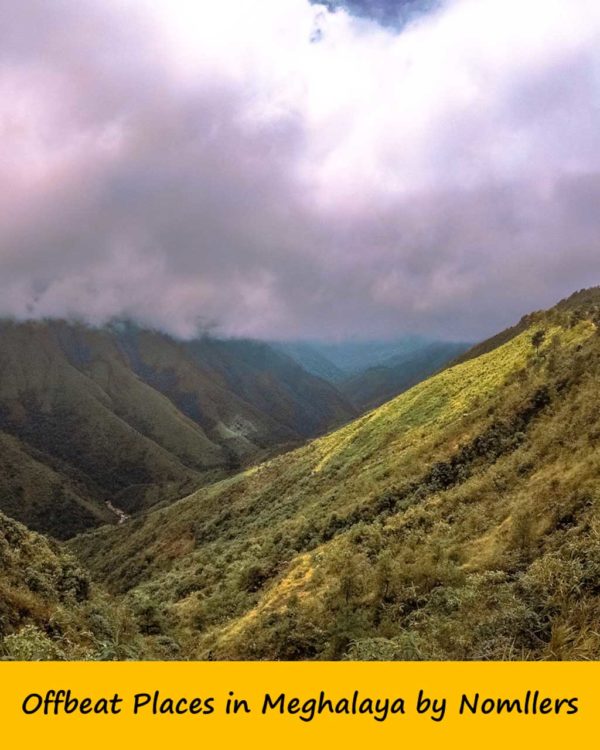
Cherrapunji or Sohra is a place we all have heard of as the wettest place on Earth. A quiet suburban town in the East Khasi district in Meghalaya, Cherrapunji is known as the abode of clouds and is nothing short of a dream. It is a town where the clouds come so low to sweep you off your feet. You can literally walk amidst clouds and that is just the beginning of the wonders in North East India. Cherrapunji has several natural scenic landscapes to see and activities to do. While you might find the most common ones like Nohkalikai Falls and Root Bridges in every list, read on to know the 5 off-beat things that you can do in Cherrapunji. Disclaimer: This article may contain links to our affiliate partners such as Amazon, Booking.com, etc. If you find our website useful, please consider booking through our links. When you do we earn a small percentage at no extra cost to you.     Mawlynnong Mawlynnong is a tiny village in the East Khasi Hills that is popularly known for its cleanliness. This will definitely rank first in the list of offbeat places in Meghalaya. It is lined with small cottage shaped houses and surrounded by colourful flower gardens. The narrow lanes through these houses are spotless and a delight to walk around. There is no entrance fee to enter the village. Further, the bonus of this place is that if you do not have the time to go to the double-decker root bridge trek, you could still catch the living root bridge which is just 10 minutes from Mawlynnong. A short climb down from the starting point, it will cost INR 10/- and take less than 15 minutes for you to reach this beautiful root bridge. The mesmerizing ways of the roots and strength over the streams is overwhelming to see with the naked eye.   Nohsngithiang Falls Nohsngithiang Falls or Seven Sisters Falls as it is commonly known as a seven segmented waterfall located near the Mawsmai village in Cherrapunji. It is one of the fourth largest waterfalls plunging from a height of 1035 metres, the seven sister falls is a sight to see during monsoons. Further, it has an abundance of water that gushes out in parallel from the plateau. The falls are visible from the carpark itself and have no entry charges. While the waterfalls may not be much prominent in the non-monsoon period, they have amazing swings just before the cliffs where the waterfalls begin. It is fabulous. Further, more than the waterfalls itself, one would not like to get off those amazing swings.   If you want to a detailed travel guide on Meghalaya, read our blog post here – How to Travel Solo in Meghalaya in a Budget   Mawsmai Caves The caves are a very different experience in Cherrapunji. It is an experience of looking at natural limestone rock formations in darkness in contrast to the rest of the town that is usually filled with sunshine, lush green hills and cliffs. While the caves itself are much longer, only a small portion of them are open to visitors. The best part being the entrance fees is a mere INR 20/-. Enter the world of darkness as you walk into the caves and follow the dimly lit path to find your way out. There is no better offbeat place to discover in Meghalaya than this one. You will find also yourself mesmerized by the varying shapes and sizes nature has taken in those rock formations. I found a small opening in the caves wherein natural light fell from above. I was completely awe-struck by its beauty.   Also Read – 54 Hill Stations in India that We have Explored     Orange Roots A restaurant all run and managed by the Khasi women should be on the top of your list if you are in Cherrapunji. With a lovely car park just by the Mawkdok Dympep Valley view point, this restaurant offers lovely vegetarian Indian cuisine options for travellers. A great place for a breather amidst hopping view-points. Further, the service here is quick and excellent and the food is extremely tasty and very reasonably priced.   Sa-I-Mika Resort We managed to stay in Sa-I-Mika Resort and I cannot recommend how good this place is to stay. A beautiful resort with cottages built in the traditional Khasi architecture spread out in the Hills. It feels like each room is in the lap of nature. Every cottage has a lovely sit out balcony with a view. The approach is slightly worse with the maps pointing you to a location that seems to be inaccessible. But believe me when I say that the bad roads are worth it. If you are staying elsewhere, still make a trip to this lovely resort. Within the resort premises, you will find a small park with swings, see-saws and slides amidst a gushing stream and beautiful lush green gorges. For those who choose to stay here can experience waking up to the beautiful hills in the morning. Also, you can enjoy a lovely on idyllic stone chairs outside and dinners with a campfire and lovely live music. If you are looking for more options on accommodations, maybe in a homestay or a hotel you can check the website below. The best thing about this website is that you do not have to pay any amount in advance. just reserve the room through them 🙂 Booking.com  

Scroll to Top