Destination

Destination, Travel and Trekking Tips

Discover the Best 7 Desert Safaris Around the World

Deserts have been an inseparable part of humans, animals, and plants’ lives ever since the world evolved. While they occupy just one-fifth of the land surface on the Earth, they exist in every part of the world. Be it anywhere in the world, deserts are mysterious, captivating, and a destination to experience adventure and feel the power of nature. But among all the destinations, which are the best desert safaris in the world? This article gives you the details about the top 7 desert safaris you should try out. Whether you want to enjoy the natural beauty of the desert landscape, go for an adventure, or seek peace and calmness, these are the best desert safari locations around the world. UAE offers several locations for an unforgettable desert safari, and Dubai is one of the best. On a Dubai desert safari, you will get to spot amazing animal species native to the desert, such as the Arabian Oryx, sand fox, sand cat, reptiles, and Arabian Gazelle. Feel the rush of excitement and thrill in your body with dune bashing as you glide through the dunes in an SUV. Grab a board and slide down the sand dunes, try quad biking and explore the desert landscape on your own. Visit the camp in the desert and savour a delicious dinner, watch belly dancing, and enjoy the cool and calm atmosphere of the desert.  The best time to enjoy this top-rated desert safari tour worldwide is from November to April. This is one of the must-visit desert safari locations for anyone wondering where to go for a desert safari. The Thar desert is a part of the Great Indian Desert, popular for its golden sand dunes, a wide array of flora and fauna, rocky terrain, and fascinating landscapes. It spans across various cities of India in the northern region, including Jaisalmer, which is one of the best desert safari places in India. Take a camel safari and explore the enchanting desert landscapes that are replete with unique flora and fauna. A beautiful camp is set in the desert that offers royal amenities and hordes of cultural experiences. The best thing about a Jaisalmer desert safari is the chance to witness the enchanting sunrise and sunset. The safari also takes you to the nearby villages where you can interact with the locals, get to know the traditions, customs, and even buy some handicrafts. In the camp, you will watch Rajasthani folk dance and savour delicious Rajasthani cuisine.  The best time to visit is from October to March. This location ranks high among family-friendly desert safari locations and offers one of the best desert safari experiences in the world. The captivating rolling sand dunes, the attractive contrasting colours, and rare desert flora and fauna make a desert safari in Wahiba Sands, Oman, an unforgettable experience. The majestic Wahib Sands are perfect for exploring the steep slopes and drops in a 4×4 vehicle. Along with adventure, the desert safari also offers camel riding for a leisurely experience. In the Bedouin-style camp, you can experience the traditional Omani hospitality, music, and dances. You will love to spend an evening in the Wahib Sands sitting next to a bonfire and watching the gleaming stars. Oman remains one of the best countries for desert safaris, offering unique desert safari experiences globally. The best time to experience this is during the cooler months of October to April, when the temperature ranges between 20°C to 30°C. The Bahariya Desert is a part of the great Sahara Desert in Egypt, which is known for its sandy dunes, rocky terrains, rock formations in the shapes of pillars, mushrooms, and animals, crystal mountains, and more. So, you can experience many different things on a Bahariya desert safari in Egypt, and you will never forget the charming desert. The safari starts from Cairo, and it proceeds through the rocky terrain. You will love to witness the mystical Crystal Mountain and the huge array of wildlife. Experiencing camping in the Bahariya desert is an opportunity to drink in the beauty of the Sahara Desert, enjoy Egyptian hospitality, and explore the mystical desert landscapes that enchant the world. It is one of the most famous desert safari destinations, ideal for wildlife desert safari tours worldwide. Average day temperatures from October to April make desert exploration, camping and hiking more pleasant. With a diverse range of grasslands, scrubland, dry riverbeds, mammals, reptiles, animals, and plant life, the Kalahari Desert is not actually a desert, but still worth visiting. The reason so many living things can be seen here is because of the amount of rain it receives. Visit the Kalahari Desert and witness amazing wildlife, and soak in cultural experiences by spending time with the native tribes who have been living in the area for centuries. You will also enjoy the rolling dunes, dry riverbeds known as pans, and the wilderness of the desert. This is among the bucket list desert adventures around the world, offering one of the most fulfilling desert safaris for adventure lovers. You can actually visit this desert anytime except during the rainy season. The daytime temperature between the months of May to September ranges from 20°C to 27°C, with cooler nights and starry skies.  While most of the desert travel destinations have golden sand dunes, you can witness white sand in the Chihuahuan Desert. Describing the captivating beauty of this desert is not easy. You have to explore it to witness a vast expanse of gypsum sand dunes formed of gypsum crystals due to the geographical changes occurring continuously for centuries. The gypsum sands dunes in the White Sands National Park are the largest gypsum dune field in the world. A Chihuahuan desert safari includes a scenic drive through the white sand dunes, popular trails for hiking, and sliding down the steep slopes, standing on a plastic sledge. The park has a visitor centre where you can learn about the geological and ecological features of the desert.  The best time to

Greece Golden Visa
Destination

5 Reasons Greece’s Golden Visa is Perfect for Adventure Travelers in 2025

Greece’s Golden Visa has evolved significantly in 2025, positioning itself as an ideal choice for adventure-seeking investors. Beyond the standard benefits of European residency, Greece’s program offers unique advantages specifically appealing to those with a passion for outdoor exploration. Let’s dive into why adventure travelers should consider this investment option this year. 1. Greece’s 2025 Golden Visa Program: What’s Changed The Greek government has strategically restructured its Golden Visa tiers to balance investment across the country. For property investments, there’s now a three-tier system: €800,000 for high-demand locations (including Athens, Thessaloniki, and tourist-saturated islands), €400,000 for less densely populated regions, and just €250,000 for restorations of protected buildings or commercial-to-residential conversions. This region-specific approach means adventure travelers can often secure their visa for half the investment required in overcrowded tourist hotspots. Properties must generally be at least 120m², and the days of buying solely for short-term rentals are over – the government wants committed investors, not absentee landlords. What’s remarkable is how quickly the process moves. Once biometrics are submitted, approvals typically arrive within two months – significantly faster than comparable European programs. While you’re waiting, temporary residence permits keep you legally exploring Greece’s adventure playgrounds. 2. Unparalleled Adventure Diversity Year-Round Greece offers an astonishing range of adventure environments within a relatively compact geography. Few countries can match the diversity of landscapes available to Golden Visa holders throughout the year. On the mainland, Meteora’s otherworldly rock formations provide world-class climbing routes amid ancient monasteries. Mount Olympus offers mythological treks that climb to 2,918 meters, while Zagori’s stone villages provide basecamp access to the breathtaking Vikos Gorge – one of the world’s deepest canyons. The islands deliver equally remarkable adventures. Crete’s Samaria Gorge draws trekkers from around the globe. Kalymnos has transformed into an international rock climbing destination with hundreds of limestone routes. Meanwhile, Naxos and Paros have become windsport havens with consistent Meltemi winds drawing kitesurfers and windsurfers throughout summer. What makes Greece truly special is its year-round adventure calendar. Spring brings wildflower hiking and perfect climbing temperatures. Summer delivers prime watersports conditions across countless islands. Fall offers ideal mountain biking weather, while winter brings skiing to Mount Parnassos and other alpine areas – often with Mediterranean views from the slopes. 3. Logistical Advantages That Transform Adventure Travel Golden Visa holders enjoy game-changing logistical benefits that completely transform how adventure travel works. Instead of rushing through activities within a typical vacation’s constraints, residency permits unlimited stays throughout the year. This freedom allows for genuine seasonal immersion. You can chase the perfect sailing conditions through the Cyclades in September, then pivot to mountain adventures in November without worrying about 90/180-day Schengen limits that constrain regular tourists. Property ownership provides practical bases for different adventure zones. Many investors strategically purchase homes near their favorite activities – perhaps a mountain retreat in Pelion for hiking and biking, or a coastal property in Crete with perfect access to both gorge trekking and diving sites. Greece’s transportation infrastructure has improved dramatically, with expanded regional airports (Ioannina, Kalymnos, Paros) and modernized highways connecting urban centers to remote adventure zones. The ferry system is comprehensive, allowing island-hopping adventures with relative ease. 4. Smart Investment Options for the Adventure-Minded The Golden Visa’s tiered property requirements create fascinating opportunities for adventure enthusiasts. With the €400,000 threshold for less-developed regions, investors often find incredible value in emerging adventure destinations. Mountain properties bordering national parks, particularly in regions like Pelion and Pindos, offer both investment potential and immediate adventure access. These areas are experiencing growing interest from both domestic and international outdoor enthusiasts seeking alternatives to overcrowded destinations. Island eco-luxury is another compelling option. Sustainable villas on islands like Naxos or Crete align with post-pandemic travel trends favoring nature-based experiences. The new €250,000 threshold for restoring protected buildings has sparked particular interest in converting historic structures into boutique adventure lodges. For entrepreneurially-minded investors, the adventure tourism sector itself presents opportunities. Tourism businesses seeking investment partners – from sailing charters to mountain guide services – can provide both Golden Visa qualification and ongoing returns while supporting your personal adventure lifestyle. This strategic approach to property investment is covered in detail in this guide on Global Residence Index, which examines how different investment options align with lifestyle goals. 5. Practical Considerations for Adventure-Focused Residents Adventure travelers have specific considerations beyond standard visa requirements, and Greece offers reassuring solutions for these concerns. Healthcare access is paramount for active lifestyles. Greece provides visa holders with full access to private healthcare systems, with excellent facilities in Athens and Thessaloniki, plus improving options in adventure hubs. Insurance requirements are part of the visa process, with specialized coverage available for high-risk activities like diving, climbing, and sailing. Cultural integration comes naturally through adventure pursuits. Greece has thriving outdoor communities – hiking clubs, climbing groups, sailing associations – that warmly welcome international members. Many Golden Visa holders report forming their strongest local connections through shared adventure interests. The tax situation is favorable for those structuring their affairs correctly. Greece offers attractive non-dom provisions for new tax residents, while those maintaining tax residence elsewhere can still enjoy their Greek property without triggering full tax obligations. The program’s five-year renewable permits provide long-term stability, allowing holders to develop deep connections with specific regions. After seven years of residency (with physical presence of 183 days yearly), citizenship becomes possible – though many adventure-focused investors prefer maintaining their permit status while living between Greece and other countries. The Future of Adventure Investment in Greece Looking ahead, Greece’s dual focus on sustainable tourism development and Golden Visa investment shows promising alignment. The government’s emphasis on spreading tourism beyond oversaturated destinations creates opportunities for adventure-focused investors who recognize emerging hotspots before they become mainstream. With adventure tourism growing at an estimated 10-12% annually in Greece (outpacing standard tourism growth), properties in regions with strong outdoor appeal are likely to see both appreciation and rental demand, providing financial returns alongside lifestyle benefits. For the adventure traveler seeking both European residency and unlimited access to diverse

Japan 7 days itinerary
Asia, Destination, Japan

A Journey Through the Best of Japan in 7 Days

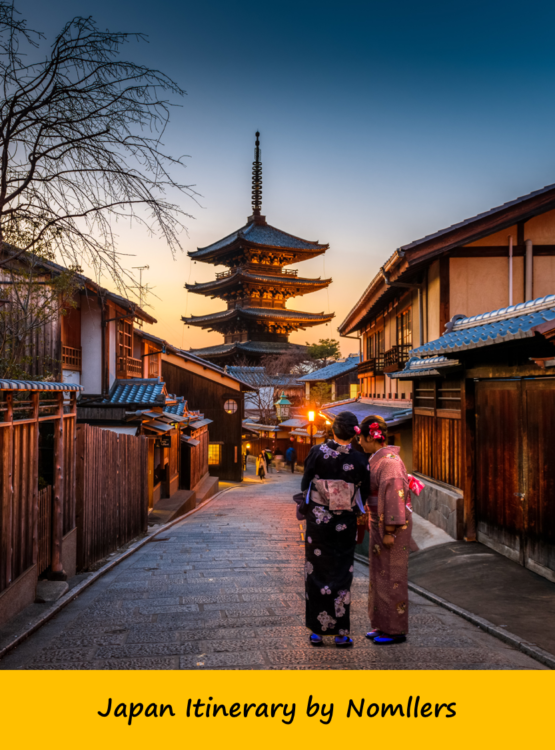
Japan is just not a country, but an experience Tokyo – Yamanashi – Kyoto – Osaka – Tokyo Japan is known as the ‘Land of the Rising Sun’. It is an island country that rose from its ashes. It is commendable how technologically advanced this country is, despite the disasters it faced during World War II and being an earthquake-prone country. Japan is made up of over 6,800 islands, and although most of the population lives on the four main ones, each region offers a unique cultural experience. The country is also home to 25 UNESCO World Heritage Sites, including the historic monuments of Kyoto and the iconic Mount Fuji. As soon as you land in Tokyo, skyscrapers and advanced technology will baffle you. At first glance, you may be inspired to believe that this country is all about modernity, but once you move out of Tokyo, you will find that culture has persevered in the roots of Japan, and the locals believe deeply in their customs and artwork. From centuries-old temples and traditional tea ceremonies to the graceful art of ikebana (flower arrangement) and calligraphy, the balance between innovation and tradition is truly fascinating. Japan is the country that gave us Studio Ghibli animation, anime, manga and authors like Haruki Murakami.  I explored Japan for over a week, which included Tokyo, Yamanashi, Kyoto and Osaka.  Below you will find a detailed itinerary for these places and everything you can cover in a week in Japan. The Japan Rail Pass or JR Pass is a special all-inclusive train travel pass designed for foreign tourists visiting Japan. It’s one of the most convenient and cost-effective ways to travel around the country, especially if you plan to visit multiple cities. You can buy a 7-day, 14-day, or 21-day pass for either ordinary or first-class travel. However, you must buy it before you reach Japan.  It is also valid on Shinkansen bullet trains and Narita Express trains, providing great value for money. In fact, you can also pre-order it online, and you will receive an Exchange Order which you can swap for a JR Pass when you arrive in Japan. You can also pre-order your pocket WIFI device, which is your hotspot to give you access to the internet, wherever you go. This will make your travel quite comfortable as you can easily get directions, train schedules or restaurants in the area.  We travelled without a SIM card as we had this, and through this device, you can connect up to 5 devices. Pretty cool, eh? Japan is well connected to most Indian international airports. You can get both direct and connecting flights, but since it is quite far, I would advise you to plan ahead as the journey will be long and exhausting. You will land at Narita International Airport (NRT) or Haneda Airport (HND) in Tokyo.  Tokyo Central is 60 km and 15 km from Narita and Haneda Airport, respectively. However, you get a range of options to reach the city from the airport. You can opt for JR trains, express trains, shuttles, taxis or limousine buses that you can take to reach the heart of the city from the airport. The Narita Express from NRT is covered by the JR Pass and will take you about an hour to reach the Tokyo station.  For Haneda Airport, you would have to take the Monorail to Hamamatsucho from the airport and later, transfer to the JR Yamanote Line. It will take about half an hour to reach Tokyo, and only half of the journey is covered by the JR Pass.  An affordable option to travel from Narita Airport is to use the shared Limousine Bus. You can book your tickets from either of the airports.  Alternatively, you can book a taxi, but this will not be a budget-friendly option. If you are in a group and travelling late at night, this could be a good option for you.  Tokyo is a dazzling blend of ultramodern vibes, traditional temples, quirky pop culture, and peaceful gardens. Whether you’re into anime, sushi, fashion, or history, Tokyo has something for everyone. Asakusa Asakusa is one of the most culturally rich neighbourhoods in Tokyo, with an old charm that will bring you the essence of Japan. You will find the famous Sensoji Temple, one of the oldest Buddhist temples of Japan, here, followed by the vibrant Nakamise Street, where traditional shops sell souvenirs and other things alike. Asakusa, Tokyo – One of the most visited tourist attractions in Japan Shinjuku Street at Night This is one of the most electrifying experiences you can have in Japan, transporting you to a cinematic set of a futuristic movie. There are a number of markets to explore, try new food and shop. You can also go to Robot Restaurant and get lost in the neon lights of the market by strolling around. Some of the famous streets are – Golden Gai, Kabukicho and Omoide Yokocho. Catch live shows, karaoke, pachinko parlours, or head to an arcade for some retro gaming. TeamLab Borderless Museum (Azabudai Hills, Tokyo) This place is a sensory overload. You’ll find floating lanterns that change colours and reflect in all directions, creating a magical, dreamlike illusion. There’s also a room full of shimmering crystals, making it feel like you’re walking through falling light. Make sure to buy tickets well in advance, as this place is usually packed. While you can try to get tickets on the spot, chances are they’ll be sold out, especially on weekends or holidays. You can get your tickets from the official TeamLab Borderless website. Note: TeamLab Borderless has relocated to Azabudai Hills in central Tokyo (formerly in Odaiba), so double-check the address before you go! Meiji Shrine Meiji Shrine is dedicated to the deified spirits of Emperor Meiji and Empress Shoken. It’s a must-visit when you’re in Tokyo. With beautiful walks through peaceful forested paths, giant torii gates, and sights like the sake barrels and ema prayer plaques, it’s a perfect place to understand the culture, history, and spiritual

North Thailand
Asia, Destination, Thailand

The Ultimate Guide to Northern Thailand: 5 Must-Visit Places

What do you think of when you hear of Thailand? Probably the blue ocean, the white sand and a never-ending party life with streets bustling with food. But Thailand is so much more than that. There is a side to it that people do not talk about, and that is northern Thailand.   I was captivated by the sheer culture, history, the serene landscapes, the greenery, and the peace was North Thailand. I was travelling through Northern Thailand for four days and I loved every second of it.  Whether you choose a Thailand tour package or travel to northern Thailand solo, these are my suggestions that you can follow or refer to have the best time.  The best time to visit Northern Thailand would be during the dry season from October to February. During November, the lantern festival is held in Thailand, which is very much worth seeing.  The skies are clear and blue during these months, and the weather is the most comfortable. During the months of summer and the rainy season, it would be quite uncomfortable for you to roam around.  Thailand is a country with a lot of places to visit. If you are planning your trip, I would suggest not just island hopping and visiting crowded places. Go beyond the known, learn about the culture and venture into Thailand beyond just the beaches. The hustle of Thailand’s capital, Bangkok, will hit you the moment you land.  Check in to your hotel and go explore the bustling streets of Thailand. Bangkok has a number of things to do. You can start with street food exploration, and there is nothing better to begin this with than Pad Thai.  If you are in Thailand, the best thing you can do for yourself is get a Thai massage. Later, visit the nearby shrines. All of these can be covered on foot. Your first can be more about relaxing and adjusting to the new environment.  You may also visit the Grand Palace, which was built in 1782 and for 150 years, served as the home of the Thai King, the Royal court and the administrative seat of government. This place gets quite crowded, being one of the most famous tourist spots.  Do not forget to explore the Chatuchak market in Bangkok. Go for some local food tasting and shopping. Want to explore South Thailand as well? Check out our Guide on Patong, Phi Phi and Krabi If you have a flair for art, history and culture, I recommend that you do not miss out on Kanchanaburi. This is the city where you can breathe in the fresh air after escaping from the hustle of Bangkok. There are many things to do here. I am listing down a few of my favourites: Walk Over the Bridge on the River Kwai This is one of the most touristy (and crowded) spots of this region, having been popularised by the movie, The Bridge on the River Kwai. The iron bridge spans the Mae Klong River, which was later renamed as the Khwae Yai (or River Kwai) to align with the movie’s fame and to cater to tourists. The bridge is part of the historic Death Railway, a section of the Thailand-Burma Railway built by the Japanese during World War II using forced labour, including Allied prisoners of war and Asian civilians. Over 100,000 lives were lost during its construction due to harsh conditions, malnutrition, and abuse, hence the grim nickname. Enjoy the River Kwai We visited a stretch of the river lined with floating guesthouses, houseboats, and floating river rafts along the River Kwai. You can take a dip in the river, swim or relax your muscles. It is a perfect place to be and enjoy nature. Swim at the Erawan Falls The Erawan Falls in the Erawan National Park are breathtaking. There are seven tiers of waterfalls over here to explore, with turquoise blue pools and natural limestone steps. I had a chance to explore just the third one due to my tight schedule. Swimming in the multi-levelled pools of the Erawan Falls is a spectacular feeling.  You will find fish nibbling your skin here. So, be ready for a free foot massage. Cost: Entrance to the park is 300 baht (around $10). Planning to go to Phuket as well? Read – Things To Do in Phuket, Thailand Next, make your way to Ayutthaya, once the magnificent capital of the Kingdom of Siam. Founded in 1350, Ayutthaya flourished as a global trading hub and was one of the largest and wealthiest cities in the world at its peak. Unfortunately, it was invaded and destroyed by the Burmese army in 1767, leaving behind hauntingly beautiful ruins that still echo its former glory. The best way to explore this UNESCO World Heritage Site is by bicycle which allows you to slowly take in the landscape as you ride past ancient temples, towering prangs, crumbling monasteries, and charming villages. The city is relatively flat and bike-friendly, with most of the ruins located close together on an island surrounded by rivers. If cycling feels too ambitious in the heat, you can opt for a tuk-tuk tour, which is equally fun and gives you the chance to relax while still covering the key historical landmarks. The places you must not miss are: Wat Mahathat, Wat Phra Si Sanphet, Wat Chaiwatthanaram, and the Ayutthaya Historical Study Centre. Chiang Mai is serene, green, and absolutely beautiful, and if you’re arriving by train, the scenic ride itself sets the tone for what’s to come. Start your day early with a visit to the renowned Elephant Nature Park, one of the most ethical and respected elephant sanctuaries in Thailand. This rescue and rehabilitation centre provides a safe haven for elephants rescued from logging, tourism, and abuse. Here, you’ll get a once-in-a-lifetime opportunity to interact with these gentle giants in a respectful, non-exploitative way.  Note: Avoid camps that offer elephant rides or performances. Elephant Nature Park promotes responsible tourism and animal welfare. In the evening, take a stroll

Key Monastery, Spiti
Asia, Destination, Himachal Pradesh, India

10 Days in Spiti: How to Travel to the Cold Dessert?

Spiti is also known as the “Middle Land,” as it lies between Tibet and India! It is the most beautiful hill station I have visited, yet. The picturesque landscapes seem like something out of a painting. With monasteries adorning this valley and mountains stretching up to as far as the eye can see, Spiti is a place every Indian would like to visit, once in their lifetime and for good reason! Located in Himachal Pradesh, Spiti Valley is a cold desert mountain valley that offers surreal views and raw Himalayan beauty. Below you will find how you can explore Spiti in 10 days, along with routes, bus timings, itinerary, cost-cutting tips, and stay options. Also, if you are planning to explore Kinnaur along with Spiti, read my detailed guide – Kinnaur Travel Guide Spiti looks stunning throughout the year, and each season offers a completely different experience. Ideally, you’d want to visit it more than once to truly witness its changing moods, from spring to deep winter. If you’re drawn to greenery, blooming wildflowers, and clear skies, the best time to visit is between June and August. The valley comes alive with bursts of colour, and the roads are mostly open, making it easier to explore. On the other hand, if you’re after the raw, rugged beauty of “Winter Spiti”, the months from December to March are perfect. Expect snow-covered villages, frozen rivers, and the chance to experience Spiti’s remote charm at its most untouched. Be prepared, though — winters in Spiti are harsh, with temperatures often dropping below -20°C, limited homestay availability, and only the Shimla-Reckong Peo-Kaza route remains open (the Manali route stays closed). Note: Women get a 25% discount on local public transport in Himachal Pradesh To reach Spiti Valley from Delhi, you must reach Kinnaur district in Himachal. I took an overnight HRTC or Himachal Road Transport Corporation bus from Delhi to Chandigarh. It gave me a chance to explore the little corners of Chandigarh until I boarded my bus to Reckong Peo.  From Chandigarh, you can get a deluxe bus that leaves in the evening at 5:50 PM, 6 PM, and 7 PM. Alternatively, you can also take a bus directly from Delhi at 8 PM to Reckong Peo. The price of the direct bus to Reckong Peo is about INR 1000 and takes almost 19 hours to reach. Once you reach Reckong Peo, there are many things you can do, even in a day.  Planning to explore Reckong Peo?  Read our guide here – Kinnaur Travel Guide Also Read – Chitkul Travel Guide Local Buses There are two buses that leave from Reckong Peo to Nako – 7:00 AM and 1:00 PM. The best would be to take the 7:00 AM bus, as you will have more time to explore Nako when you arrive and experience the golden hour (sunset).​ Also, make sure to buy the tickets as early as possible (preferably the previous day or whenever the counter opens). This is because the travellers who are travelling from Shimla buy tickets while coming from Shimla. And, if you do not buy the tickets in advance, you will be able to board the bus nonetheless, but you will be deprived of a seat for the entire journey of 4 hours.​ It takes about four to five hours to reach Nako from Reckong Peo and costs approximately INR 160 per person.​ The bus stops only once in between for breakfast for around 20 minutes. There will be many dhabas and restaurants to choose from, and all of them serve decent food.​ Shared Cabs/Taxis If you would prefer to take a taxi, you can opt for a shared taxi, which would be either a Bolero or a Sumo or a similar vehicle, leaving for Nako every morning. It will cost you more than a bus and yet, is a cheaper option, ranging from ₹300 – ₹500 per person. With fewer stops than a bus, the taxi will reach Nako faster. You can board one directly from the Reckong Peo taxi stand, early in the morning.  Other Options The other option would be to book a private cab, which will cost you around ₹3000 – ₹3,500 or rent a self-drive car or a motorcycle, if you would like to ride by yourself. However, make sure that you are confident enough to drive in these terrains as they are quite prone to landslides. I stayed at Hotel Zambala, as it gave me a wonderful view of the lake from my room. They have the option to have a bonfire at night, where you can sit beside the lake and enjoy the warmth.  Nako is a part of Kinnaur district; however, since the village lies in a sensitive restricted region that lies along the Tibet border, it is one of the lesser-explored places. Also, only BSNL works here, and I would suggest you download offline maps along with the necessary information, as internet connectivity is quite unreliable. ​ Bonus: Hidden Gems I did not explore these places due to a lack of time, but if you have some, do explore these least-explored places:​ Local buses There are two buses which leave from Nako, each with its own perks.  It will take approximately 2 to 2.5 hours through the beautiful valley of Spiti, where you can see the steep valley below along with the gorgeous Spiti River running amidst it. The fare is about INR 80 per person.​ The bus stops once in between for lunch for around 20 minutes, where you can drink tea and chill for a while. Also, the BSNL signal is available at this place.​ Other Options: The other options are to hitchhike, take a shared cab/taxi or hire a private cab. A private cab would, of course, cost you the most but give you more flexibility. Alternatively, you can also rent a self-driving car or a motorcycle.  I stayed in a common room of the monastery. Not only is it cheap, but very serene and peaceful, too. The bathrooms aren’t

View on the way from Manali to Leh
Asia, Destination, India, Ladakh

Manali to Leh: Everything You Need to Know

Ah, Leh-Ladakh! Who doesn’t want to want to witness those snow-capped, barren mountains, the mesmerising, cast stretch of land as far as the eyes can see, the clear, blue waters of the stunning lakes and the peace that the monasteries have to offer? Oh yes, we all do.  But planning a trip to Leh-Ladakh can be quite a hassle. Whether you are an adventurer or a tourist, you must be spending a lot of time researching of ‘best time to visit Ladakh’ or the ‘best tour packages in Ladakh’ to choose from.  Since 2019, Ladakh has been made into a Union Territory. Having been part of the Tibetan kingdom, it is predominantly a Buddhist area, with the culture, food, ethnicity, etc. being very different from mainstream India. In this blog, I will help you plan the best itinerary for Ladakh, based on my experience.  The best time to visit Leh Ladakh largely depends on what kind of experience you’re looking for, whether it’s adventure, snow-covered landscapes, vibrant local life, or peaceful solitude. The peak tourist season runs from June to September, and this is widely considered the best time to travel. During these months, the weather is pleasant, with daytime temperatures ranging between 15°C and 25°C, and most importantly, the roads from both Manali and Srinagar to Leh remain open. This is the ideal time for sightseeing, camping by Pangong and Tso Moriri lakes, exploring Nubra Valley, and enjoying bike rides and photography. However, as this is the most popular time, it’s recommended to book accommodation and transport in advance to avoid the tourist rush. If you’re someone who loves snow and fewer crowds, then the winter season from October to February offers a completely different perspective of Ladakh. However, temperatures can drop drastically, even reaching -25°C, and most roads and tourist accommodations in remote areas like Pangong and Nubra remain closed. Despite the harsh conditions, this is a great time for photographers and those looking for winter treks such as the Chadar Trek on the frozen Zanskar River. I wouldn’t recommend mid-November to March because the Manali–Leh and Srinagar–Leh highways are closed, making flights the only option to reach Leh. The cold is extreme, and infrastructure in remote areas becomes minimal. There are two common routes that travellers follow to reach Leh, which should be your base while exploring Ladakh: one from Manali and another from Srinagar. I am providing a comprehensive Ladakh Itinerary that you can follow, along with a Leh Ladakh map. I will also let you know about local transport, in case you want to explore this hill station at a minimum cost. Manali is chosen for many reasons as the starting point. Travellers find this route very beautiful, along with providing access to bikers to easily rent or hire bikes from Manali. Below is a step-by-step ‘Leh Ladakh Map’ (from Manali to Leh) to help you plan your Ladakh tour a little better – There are daily buses that leave from the ISBT Kashmiri Gate of Delhi to Manali. You need to reach Manali to acclimate your body and get used to the high altitude. You can also take the private buses from Majnu ka Tilla. There are both government-run and private bus options.  Bus Duration from Delhi to Manali – 14 hours Distance between Delhi and Manali – approx. 600 KMs Note – Rohtang Pass is closed every Tuesday for maintenance. The major reason for staying in Manali for a day, instead of heading to Leh directly, is to get acclimatised. Moreover, since people from cities are not used to high altitudes and low oxygen, staying in Manali for a day helps. After reaching Manali somewhere around 8 AM, freshen up and start exploring. There are many things you can do, either go to the hidden gems, explore Old Manali, or trek to Jogini Falls. You can also rent bikes from here. The Rohtang Pass, lying on the Manali-Leh route, is so vulnerable that the government keeps changing rules to pass through the Rohtang Pass. NGT enforced the restriction in 2011, and currently, you need to obtain a permit to visit the Pass. Hence, please respect the environment and keep it clean – let us preserve Rohtang Pass with all our small efforts.  Vehicle Restrictions: Only 60 petrol and 40 diesel vehicles are allowed daily for tourism purposes.  Vehicles older than 10 years are not allowed. Permit Fees: INR 500 Ways to Get the Rohtang Pass Permits Required Documents:  Budget Hotel: Apple Field House Homestays: Bon Voyage, Manali Parvat View Luxury Hotel: Span Resort and Spa Boutique Hotel: The Himalayan For backpackers: Zostel Manali, The Hosteller Manali Once you have sorted out your permit, leave for Keylong from Manali. Staying in Keylong, Jispa is essential to get you acclimatised. You attain height from Manali to Leh very quickly, so the slower you go, the better it is. Road Condition – The road up to Rohtang Pass is really smooth, but after Rohtang Pass, the real challenge begins. The road becomes really rugged from here Duration from Manali to Jispa – 5-6 hours The distance between Manali and Jispa – approx. 140 KMs There are two types of bus services running from Manali to Leh – budget and luxury, run by HRTC and HPTDC, respectively. These buses take two days to reach Leh, which means that you have to stop in Keylong for an overnight stay. HPTDC Bus Service This is the luxury bus whose fare is obviously higher than the HRTC bus. However, the best thing about this bus is that your stay in Keylong is included in the fare. Fare of HPTDC Bus – INR 2,900 (including accommodation and 3 times meals); a one-time payment till Leh Timings of HPTDC Bus – The bus leaves at 10 AM from Manali and reaches Keylong by 5 PM. HRTC Bus Service There are several HRTC buses from Manali to Keylong which are budget-friendly. Fare of HRTC Bus – INR 175, approximately Timings of HRTC Bus – The first bus leaves at 4 AM. Following this, there are regular buses to Keylong until 1 PM. Read our

Mukteshwar
Asia, Destination, India, Uttarakhand

3 Hidden Gems of Mukteshwar & Mauna: Weekend from Delhi

Visiting offbeat places has a charm in itself. Imagine going to a place which is off the tourist map, finding the most photogenic places, spending time amidst nature, away from the crowd and taking some time away from the regular nuances of life.  This is how I felt when I visited a small village named Mauna, silently tucked in between Mukteshwar and Almora. Not only will you find some much-needed tranquillity here, but Mukteshwar and Almora too can be visited easily from this place. If you are searching for places to visit for a weekend trip from Delhi, check out my guide below for all the details you will need to visit this hill station. You can take a trip to Mukteshwar over a weekend or a long weekend, easily. A drive to Mukteshwar takes 7.5 hours. If you travel by local transport, I would suggest that you travel overnight. If you are taking your own vehicle and want to enjoy the road trip, start early from Delhi to be able to explore Mukteshwar once you reach there.  Depending on what you want to do, plan your travel accordingly. Mukteshwar is accessible all year. During the summer, the weather is pleasant, which is between March and May. In winter, you can expect heavy snowfall, which is between January to March. Summers offer majestic scenery with the trees heavy with fruits, while it is at its best during the monsoons, as the entire area is full of greenery. I would suggest avoiding the rainy season and snowy winters, as there are chances of roadblocks. You can check out my other list of hill stations if you are not sure where to go for your perfect holiday to the hill stations – Top Hill Stations in India There are several ways to reach Mukteshwar. Below, I am listing the modes of transport from Delhi that you can take to reach Mukteshwar. The cheapest way to reach Mukteshwar is to take a train from Delhi to Kathgodam, which is the nearest major railway station. Kathgodam is well connected to Delhi with regular trains like Ranikhet Express, Shatabdi Express, and Uttarakhand Sampark Kranti Express. From Kathgodam, you can catch a shared taxi or a bus to Mukteshwar. While buses are available, shared taxis tend to be more frequent and faster. It takes about 5.5 to 6.5 hours to reach Kathgodam by train and then another 2 to 2.5 hours to reach Mukteshwar. You can also take a bus from Kashmiri Gate ISBT or Anand Vihar ISBT to either Haldwani or Kathgodam. These are overnight buses, and both government (UTC) and private operators run frequent services. While there are no direct buses to Mukteshwar, you can easily find onward connections. Alternatively, you can book a luxury Volvo bus to Nainital or Haldwani. From Nainital, Haldwani, or Kathgodam, regular buses or shared taxis operate till Mukteshwar.  It takes about 7 to 8 hours to reach Haldwani/Nainital and then another 2 hours to Mukteshwar. Planning to go solo to Mukteshwar? Read our solo guide here – Solo Travel Tips to Adopt in India Here, I have added all the places you should visit in Mukteshwar, including the tourist spots as well as the offbeat spots.  Located on a hilltop at an elevation of 2,312 metres, this temple is dedicated to Lord Shiva. It is believed to be around 350 years old and is considered spiritually significant. From here, you can also visit Chauli ki Jali, which is one of the most magnificent natural formations in the region. Apart from the beautiful views, this place is also famous for its adventurous activities such as rock climbing, zip-lining, and even paragliding during certain seasons. The panoramic view from here is breathtaking, and during sunset, you can see red streaks in the sky shining brightly over the valley. Mauna is about one and a half hours from Mukteshwar and is one of the most peaceful, offbeat places to explore. On a clear day, you can see both Nanda Devi and Trishul peaks standing tall in the distance. Below, I am covering a few places that you can explore in Mauna: An ancient temple dedicated to Lord Shiva, believed to have been built around the 8th century. It’s a serene spot nestled amidst hills, and you can also enjoy the nearby river streams – Kumiya and Sakuni. You can also go on a short hike through the pine forests, where you may come across friendly locals engaged in farming or simply enjoying the peace of the hills. As a part of the ‘Stay on Skill Accelerator’ program, I got a chance to experience Machu Cottage, a paradise hidden in the Himalayan region. Their tagline is “a home away from home.” The roads were empty, with not a single vehicle to be seen even in the far-off distance. Right in front of us stood the Nanda Devi peak (the second-highest peak of India) and the Trishul peak. It was truly mesmerising! Machus Cottage is located in the Kumaon hills, from where you can see lovely views of the Almora hills. If you are looking for a luxury stay in the lap of Mother Nature, then Machus Cottage is the one for you. Surrounded by green hills, this place offers a perfect weekend therapy. The wooden floor and antique structure offer a vintage look to the entire experience. Either you can book the entire cottage for INR 15,000 or book a single for INR 4,500 to INR 5,000. The king-sized beds, bathrooms with all the facilities and a living area to relax are exceptional. This property also offers mouth-watering cuisine with a homely vibe. You have both vegetarian and non-vegetarian options. They also have menu cards in every room where you can easily opt for snacks, beverages and proper meals. Below, you will find the places I visited during the weekend. This will also show you how you can get the best of both worlds – Mukteshwar and Mauna. The bus would cost about INR 600–800 till Kathgodam/Haldwani,

Old Manali Street
Asia, Destination, Himachal Pradesh, India

Old Manali: A Guide to the Must-Visit Places

They say that the heart stays happy in the hills. I’ll be honest, Manali was never on my travel radar. The idea of crowded streets, touristy cafés, and cookie-cutter itineraries just didn’t appeal to me. As a traveller who seeks out offbeat, soul-soothing experiences, the mainstream vibe of Manali felt too overwhelming. But Old Manali? That’s a completely different story. Tucked away just a few kilometres uphill from the main town, Old Manali feels like a world of its own. It’s quieter, greener, and wrapped in an air of peaceful seclusion that’s hard to find in popular hill destinations. With quaint cafés nestled among apple orchards, the gentle sound of the Manalsu river flowing by, and locals who greet you with warm smiles, it’s the kind of place that grows on you the moment you arrive. If you enjoy walking through forest trails, sipping coffee while journaling in wooden cottages, or connecting with fellow travellers over bonfires, Old Manali offers all that and more. And for someone who thought they’d never fall for Manali, I left Old Manali with a piece of my heart still tucked away in those hills. Old Manali will surprise you in wonderful ways. From serene waterfalls to sacred temples and snow-draped valleys (if you’re lucky to visit during winter), the area has something for every kind of traveller. Let me break down my itinerary for you, along with everything you can do in Old Manali: Vashisht Temple is a sacred spot, named after Rishi Vashisht, one of the revered sages in Hindu mythology. Legend has it that when his children were killed by Rishi Vishwamitra, he tried to end his life by jumping into the river. The river, however, is said to have refused to take his life, gently carrying him to safety instead. It was here that he chose to start anew, and the village of Vashisht was born.  The temple is believed to be more than 4,000 years old and has a hot spring, which is the main attraction here. The hot spring is believed to have medicinal properties. There are separate bathing areas for men and women, and a dip here is said to be very therapeutic.  Timings:  Vashist Temple: 7 AM to 9 PM  Bath: 7 AM to 1 PM, and 2 PM to 9 PM (daily) Jogni Falls is one of the most beautiful sites to see in Old Manali, and feels straight out of a dream. Just half an hour of a trek away from Vashisht village, the cascading falls reward you with a magnificent view after a trek through pine trees and hamlets.  I would also suggest you go underneath the waterfalls, instead of just admiring them from afar.  Locals consider Jogni Falls a sacred place, and it’s believed that spiritual beings dwell in the area. So, out of respect, it’s best to keep voices low and soak in the quiet, sacred energy around you. Solang Valley Solang Valley is 14 KMs from Manali, on the way to Rohtang Pass. You can enjoy several activities like cable car rides, paragliding, skating and zorbing here. Offering lush green meadows in summer, it is a popular tourist spot during the winters, especially as Rohtang Pass shuts down at that time. The entire valley is surrounded by snow, and the landscape becomes extremely mesmerising. Sethan is the new hotspot of Himachal, also known as the ‘igloo village’ of India. Just 14 kms away from Manali, it offers a much less crowded alternative to the touristy Manali. A charming Buddhist village with sun-kissed peaks and tall pine trees, Sethan offers Instagram-worthy offbeat spots for a perfect weekend getaway, if you are looking to spend some time away from the chaos of bustling cities.  The best time to visit Sethan depends on your personal choice, but I would suggest summer, from the months of March to May. In winter, however, you can go skiing or snowboarding or even stay at an Igloo. Also, Sethan is the only place in India where one can find Igloos.  Naggar Castle lies at an altitude of 2,047 meters and served as the official seat of kings for centuries, with stunning Himalayan views. According to a legend, Raja Sidh Singh built the castle 500 years ago, and a human chain of workers was formed across the Beas River to pass stones uphill for the construction manually.  Despite a massive earthquake in 1905, which destroyed most of the habitats in the area, the castle stood strong, exemplifying its brilliant craftsmanship.  In 1978, the castle was converted into a rest house and subsequently a heritage hotel run by HPTDC. The best way to experience Old Manali is along the charming shores of the Manalsu River at the cosy cafes and guesthouses. A small wooden bridge connects the old village to the newer part and forms an ideal place for your gram-worthy pictures.  You’ll often find musicians strumming a guitar or travellers lost in a book nearby. If you have ever wanted to soar in the sky like a free bird, this is the perfect opportunity for you. Solang Valley, just 14 kms away from Manali, is the place where you can try paragliding. Solang offers two paragliding spots to choose from.  Although, do remember that during monsoons (July to early September) paragliding remains closed. The cloud and fog are not safe for paragliding; hence, plan your trip accordingly. In Old Manali, you would find temples on every street. These ancient temples have their own rituals,  each with a unique backstory and aura. One of the prominent temples is the Hadimba Temple, a 16th-century temple surrounded by deodar trees and with a dark wood structure. You can also explore other temples such as the Krishna Temple at Thava, Gauri Shankar Temple, Jamula Temple, etc. These temples are not exactly religious sites but are a living embodiment of the history and culture of the Himalayas. Old Manali’s market is the perfect place to wander through the cobblestoned pathways of the quaint village. You can explore the shopping area in the evening with colourful

One Day Trips From Delhi
Asia, Delhi, Destination, India

Bored in Delhi? 9 One Day Weekend Trips

What to do on a weekend? Where to go and not feel too tired? We all have this question, especially after having worked throughout the week and being tired of doing the same thing over and over again. A weekend trip is that break we all need.  For far too long, I used to research a lot and ask a number of people to tell me that one place for a day where I can relax with friends, get away from the heat, avoid pollution, take a break from my 9-5, and just chill!  Don’t worry. Being a traveller, I know how you feel, and I would very much like to share my list of favourite places from Delhi for a weekend trip with you.  This blog is about one-day trips you can take from Delhi, along with the distance and when you should visit these places. I hope it will ease your research down to just one place! This one-day tourist spot from Delhi is a picturesque fort lying in the Alwar district of Rajasthan. You can see the stretches of Alwar from this fort, as it is situated at a slight elevation. Here you can experience a royal ambience along with adventure activities like flying fox. If you want to relax, they have swimming pools as well for you to take a dive and relax while watching the wonderful view ahead. This place is just a 2.5-hour drive from Gurgaon, offering a glimpse into history, too. Furthermore, they have several room options from which you can choose one, depending on your budget. If you do not want to stay overnight and prefer to experience the fort during the day, Neemrana Fort offers several packages, from buffet to flying fox activity to use the day room access.  They also have several types of rooms depending on the luxury you want. To reach here, it is better if you have your own vehicle since the fort is located in the offbeat, quieter streets of Alwar. It will take about 2.5 hours to reach this place. The visit to this place can be covered in just a day. Dadhikar Fort is far away from civilisation. This quaint place will leave you in awe. This fort was initially built as a residential camp somewhere around 9-10th century by King Chand. There are several sets of beautiful rooms that you can opt for, depending on your budget. The package usually includes dinner and cultural activities, both of which are really good. You won’t be disappointed. The cultural show involves Rajasthani folk dance, and towards the end, guests are also invited to join in, which adds a really charismatic and lively vibe to the experience. It is better to drive here by yourself. Dadhikar is located in a really secluded land of Alwar with no civilisation close by, though there are small villages nearby. Since this place is close to Delhi, it takes close to 3-3.5 hours to reach this serene place. Mathura and Vrindavan are two of the most sought-after one-day tours from Delhi. It is usually visited by travellers and photographers during the Holi season. But if you want a spiritual experience to witness the land of Krishna, this place will be a perfect getaway for you. It is said that Lord Krishna spent his childhood here, and thus this place is rich with tradition and culture. You will see devotees flocking to these places almost all throughout the year.  Places that you should not miss out on include Madan Mohanji, Radha Damodar Temple, Mirabai Temple, Baanke Bihari Temple, and Gokulananda Temple. These places will make you feel at peace. I experienced the beautiful festival of Holi in Mathura and absolutely loved it. Everything was so cheerful and colourful. It was worth the experience. There are direct trains to Mathura, which take about 2-3 hours to reach. Book the trains in advance since the seats fill up quickly. Further, you can also opt for bus routes or drive here by yourself. You will get both AC and non-AC buses. This place is such a lesser-known tourist spot near Delhi that you would not find much information on the Internet. I will try to summarise this place here for you so that you can be guided to this remote, offbeat place. This place is a collection of abandoned mines and features crystal-clear blue water. It is a prohibited area, as the name suggests. Many people have tried to swim in this lake and have lost their lives in the process. Due to this, entry is restricted. If you are caught, you may have to pay a fine to the authorities. The place is located in Faridabad, and people usually come here for a weekend getaway. However, do not swim here, and be careful. Since it is in a very remote area of Faridabad, you can reach here only through your own vehicle. There are no direct public transport options available. Everyone visits Agra for the same reason – the Taj Mahal. And why not? It is one of the seven Wonders of the World. Along with it, it represents a tale of love and is an undying beauty. But in Agra, there are other places as well that you can cover in a day. One of them is the Agra Fort, which was the main residence of the Mughal emperors. The fort is just 2.5 km away from the Taj Mahal. Another famous place in Agra is the Mehtab Bagh, which is also known as Moonlight Garden. This is right across the Yamuna River, and offers a spectacular view of it. These famous places near Delhi can be explored in just a day, or one can stay for a night as well, depending on the luxury. If you plan it well, you can cover all three places in a day. There are several direct buses and trains going directly to Agra. For trains, make sure to book in advance since the seats fill up quickly. Getting

The village of Kinnaur
Asia, Destination, Himachal Pradesh, India

How to Travel From Delhi to Kinnaur : On Budget

Kinnaur is one of my favourite places in Himachal Pradesh. It’s one of those offbeat Himalayan escapes that makes you feel like you’ve stumbled into a dream, far from the crowds, close to nature, and drenched in serenity. Known for its surreal landscapes, old monasteries, and a unique blend of Hindu and Buddhist cultures, this place has vibes you can’t quite put into words. It’s raw, real, and ridiculously beautiful. Even if you travel to Spiti, you’d have to cross Kinnaur, giving you a chance to have the best of both worlds.  In this blog, you will find a comprehensive Kinnaur itinerary that you can follow from Delhi. I have covered the cost, accommodation, and bus timings from Delhi to Kinnaur. You will also find bonus information towards the end. Also Read My Delhi to Chitkul Guide P.S. Nako is also a part of Kinnaur district. I have covered it in my Spiti guide as it comes midway. Kinnaur is located in the northeastern part of Himachal Pradesh and borders Tibet in the east. To reach Kinnaur, you would have to travel about 260 kms from Shimla. Being an offbeat place, Kinnaur is adorned with the mighty Sutlej meandering through its valleys and surreal landscapes. It is also known to be the home of the towering Kinner Kailash peak or the winter abode of Lord Shiva. While you are in Kinnaur, these are the places you can visit, as well:  Kalpa – 2,960 metres Sangla – 2,696 metres Chitkul – 3,450 metres Kinnaur looks out of a painting and is picturesque throughout the year. If I had my way, I would visit this hill station every month. Having said that, it depends on what you would like to see.  If you want to see flowers and walk through the colourful apple orchards, April is the best time to go, but if experiencing snowfall is on your bucket list, February is the best time. Ideally, April to October is the best time to visit Kinnaur.  However, during the peak season, do check if the roads are open because accessibility can become an issue at this time.  If you are planning to go to Spiti, read our guide here – Spiti Travel Guide Delhi – Chandigarh – Reckong Peo I took an overnight HRTC bus from Delhi to Chandigarh first and then hopped onto a deluxe bus from Chandigarh to Reckong Peo. There are multiple HRTC buses from Chandigarh that leave in the morning and evening – around 4:40 AM, 5:50 PM, 6 PM, and 7 PM. The evening buses are more relaxed and better if you want to enjoy the scenic ride without the sun glaring at you. Alternatively, you can also take an ordinary bus directly from Delhi (ISBT Kashmiri Gate) at around 8 PM, which takes approximately 18–19 hours to reach Reckong Peo. The bus fare is around INR 1033/- as of now, and yes, the long journey does test your patience, but the views after Shimla are totally worth it! Note: Ladies get a 50% discount on HRTC bus tickets! I would suggest you find a hotel close to the bus stand as you would have to leave for Sangla/Chitkul the very next day. There are many budget hotels just outside the bus stand, with prices ranging between INR 500 – INR 1500. By Bus: HRTC operates regular bus services between Reckong Peo and Sangla. The typical departure times are 8:30 AM​, 12:30 PM​ and 4:30 PM​. The journey takes approximately 2 hours, traversing scenic mountain routes.  By Taxi: For a more flexible and comfortable journey, you can hire a taxi near the Reckong Peo bus stand. The cost typically ranges from ₹2,500 to ₹3,000, but prices can vary based on the season and negotiation.  By Shared Taxi: Shared taxis or jeeps are a budget-friendly option, especially if you are travelling solo. They operate from Reckong Peo to Sangla, on the basis of per-seat costs, which are significantly lower than hiring a private taxi.  Sangla is absolutely beautiful. You can enjoy the village walk over here, visit the Sangla monastery and visit the nearby Kamru Village. There is 1000 years 1000-year-old Kamru Fort, which is also one of the oldest in Himachal Pradesh. Kamru Fort – Situated ~2-3 KMs from Sangla, this Fort and the view from here are marvellous. You would have to climb several steps to reach here. Entry inside this fort is quite unique. An inspector (guard) will give you a Kinnauri cap and then tie a cloth around your waist. The fort has a beautiful wooden balcony along with an idol of Kamakhya Devi, who is believed to be the presiding deity here. Photography inside the temple area is usually not allowed, so make sure to ask beforehand. The entire setting, with pine forests in the backdrop and a mix of history and mythology, makes this place totally worth the climb. Note that women who are on their menstrual cycle are not allowed to enter the fort. Chitkul is just around 20 km from Sangla and is the last inhabited village near the Indo-Tibet border. You can either take a local/shared taxi or hitch a ride (yes, that’s still a thing in the mountains!). Shared cabs usually leave in the morning from Sangla and cost about ₹100–₹150 per person.  Alternatively, board the bus that leaves from Reckong Peo for Chitkul, which will take 45 minutes to an hour.  I left for Chitkul early in the morning and then took the last bus at 3 PM that leaves for Reckong Peo from Chitkul. Chitkul is the best place to slow travel. Unwind from the hustle of life and go for a village walk or café hopping. The best thing to do in Chitkul is actually to do nothing.  But if you want to spend more time in Chitkul, read my Delhi to Chitkul Guide. Kalpa is just half an hour away from Reckong Peo. You can easily get a bus that operates every 15 minutes from the main bus stand. Kalpa is really, really gorgeous! It comprises monasteries,

Scroll to Top