
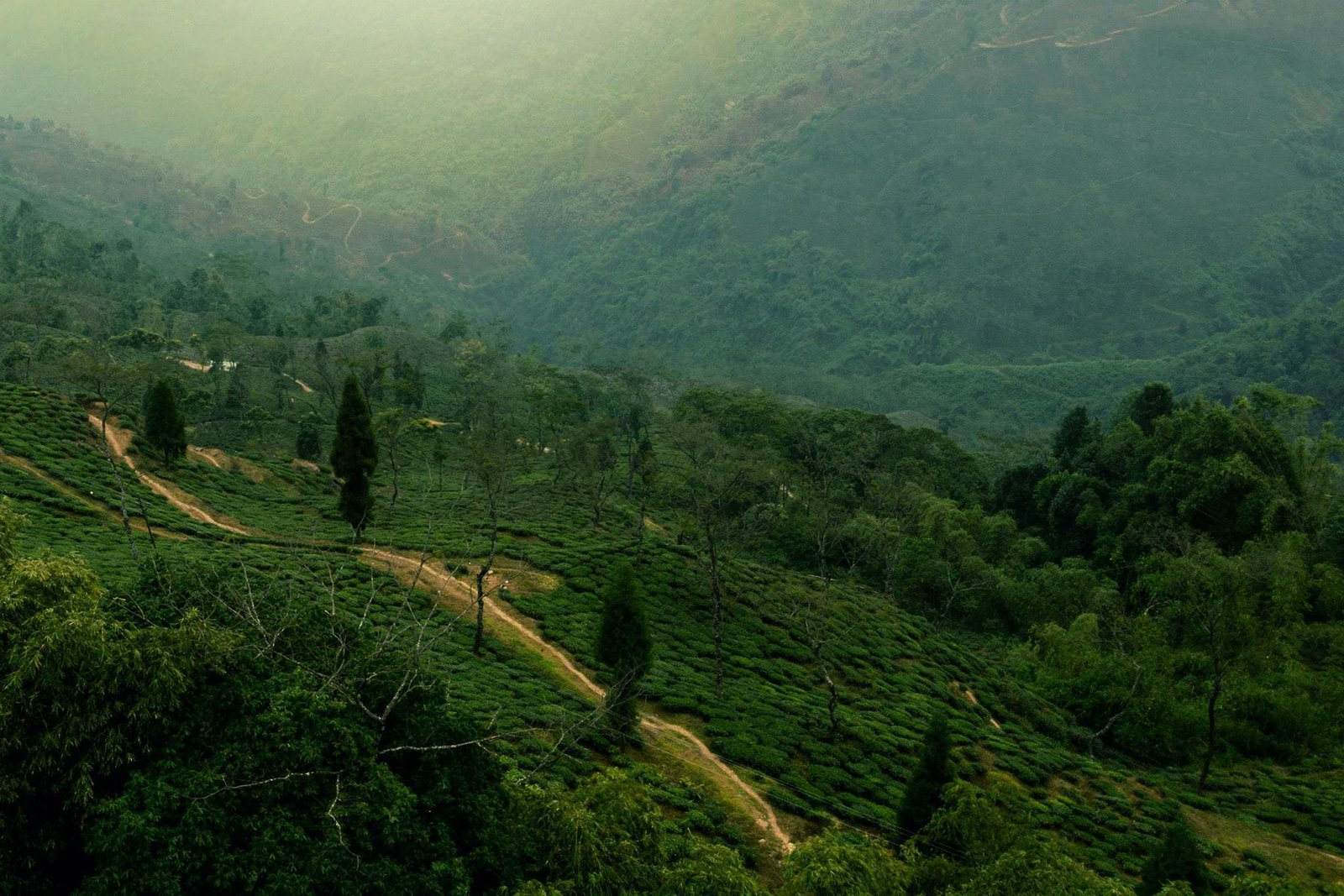
Darjeeling is a place that photos often try to describe but rarely capture fully, where mist settles over the hills, tea bushes stretch in quiet rows across the slopes, and toy trains wind their way through the mountain valleys. However, the actual impression of Darjeeling is quieter and slower than what the pictures suggest. It’s not just an
area for hill climbing. It is a region that has been shaped by the weather, tea, and a daily mountain lifestyle.
For a lot of travelers, it is a long journey before they reach the hills, and planning their train booking early helps them travel more efficiently, particularly in the summer and holiday season.
When you leave your railway station and begin ascending towards Darjeeling, the scenery gradually changes. Flat plains are replaced by curving roads with cooler air, as well as hills covered in tea gardens.
Before boarding the train at the station, experienced travelers frequently check the train running status to avoid long waits for long-distance travel. Conditions that occur in North Bengal can sometimes affect timing, especially during snowy winter days or heavy rain.
The First Glimpse of the Tea Estates
The tea gardens in Darjeeling are scattered over high hills. Contrary to flat plantations found in other regions in South India, these estates follow the natural curvatures of mountains.
The first thing that people are aware of is the patterns. Tea bushes with long rows are spread across the hills in carefully planned lines. Workers walk slowly through the gardens, carrying baskets on their backs.
The production of tea in Darjeeling began in the middle of the 19th century. The region today has about 80 recognized tea estates producing tea for export all over the globe. But the atmosphere within the tea gardens remains quite tranquil.
Mornings Feel Different Here
Darjeeling mornings begin early. The town is bustling before dawn the hills are frequently covered with fog. Tea drinkers begin their workday in a cold climate.
If you live close to an estate, you are likely to hear very little noise in the morning. Instead, you will hear the sound of conversations in the distance as well as birds and occasionally rain rushing across the valley.
It is noticeable that the pace is slower than in cities. Visitors with full itineraries tend to stay for a few days.
Walking Through the Tea Gardens
Many estates offer guided walks through sections of their plantations. These walks are less about sightseeing and more about understanding the processes of tea cultivation.
Learn about the effects of altitude on taste. Higher elevations result in slower-growing leaves, which alter the tea’s taste. Darjeeling tea is sometimes referred to as “the champagne of teas” due to its light, more delicate appearance.
Workers only pluck the topmost leaves and buds during harvesting. It is a repetitive job that demands speed and consistency.
Walking through the gardens alters your perception of the scale. What seems tiny from a distance can stretch across whole hills as you enter.
The Toy Train Adds to the Experience
The Darjeeling Himalayan Railway remains one of the region’s most well-known attractions. It was built in the late 1800s. The narrow-gauge railway is in operation in the area between New Jalpaiguri and Darjeeling.
The train travels slowly, frequently close enough to shops and houses that you feel a sense of connection to daily life on the tracks. The sharp turns, the small stations, and the mountain views make the journey unforgettable, even for those who aren’t rail enthusiasts.
The race isn’t about speed. It’s more about watching as the mountains grow slowly.
Tea and Local Food
Tea from Darjeeling tastes better when it is consumed close to the source. Small cafes and guesthouses on estates typically serve fresh first- and second-flush Darjeeling tea.
Local cuisine reflects the mixture of Nepali, Tibetan, and Bengali influences throughout the region. Momos, thukpa, and simple rice dishes are the norm.
The cooler temperatures also alter eating habits. Hot tea is now an everyday drink rather than just a drink between activities.
Weather Shapes Everything
Darjeeling changes significantly with the seasons.
Spring brings brighter skies and fresher tea leaves. The monsoon blankets the hills with fog and heavy downpours. The winter mornings can be icy and cold, especially prior to sunrise.
Since weather conditions change quickly, plans need to be flexible. The view of a mountain hidden in clouds by afternoon can suddenly reappear in the evening. The uncertainty becomes part of the experience and is not a cause for concern.
Beyond the Main Market Area
The most frequent destinations for visitors are Mall Road and Chowrasta, the town’s main gathering spots. The quieter areas are usually in the outskirts of the city.
Small villages near tea estates reveal an unpretentious side of the region. Students walk to school on the narrow roads of the hills. Markets in the local area sell fresh vegetables, woolens, and tea, all wrapped in simple paper bags.
Being able to avoid tourist-oriented areas adds more depth to the trip.
Why Darjeeling Still Feels Distinct
Many hill towns in India have been heavily commercialized. Darjeeling has seen a change, too; however, the tea gardens still define their character.
The hills are more than beautiful backgrounds. They provide a productive agricultural system that connects hundreds of families.
Tourism is present alongside everyday work. This balance creates a unique region that is hard to create.
A Practical Way to Experience the Region
Doing multiple attractions within a single trip can degrade the overall experience. Darjeeling is more enjoyable when you allow for unexpected time.
Sit in a cafe during the rain. Explore a tea estate without checking the time. See the clouds moving through the hills instead of racing towards the next point of view.
The more slowly you travel here, the more this region is revealed.
Final Thoughts
Darjeeling is not just about trains, tea, or mountains. It’s about the atmosphere. A combination of cold air, soaring mountains, working plantations, and old rail lines creates an atmosphere that is distinct from urban life.
A stroll through the tea gardens isn’t spectacular in the conventional sense. There aren’t any massive landmarks or crowds of tourists demanding attention. The experience, instead, is built in a quiet way, through tiny moments.
The smell of freshly cut tea leaves after rain. The sound of a toy train tearing through the fog. The view of workers disappearing into the green hills early in the morning.
That’s what remains for the majority of people after the journey has ended.