
Scenic Mountain Drives That Stay Easy on Your Body
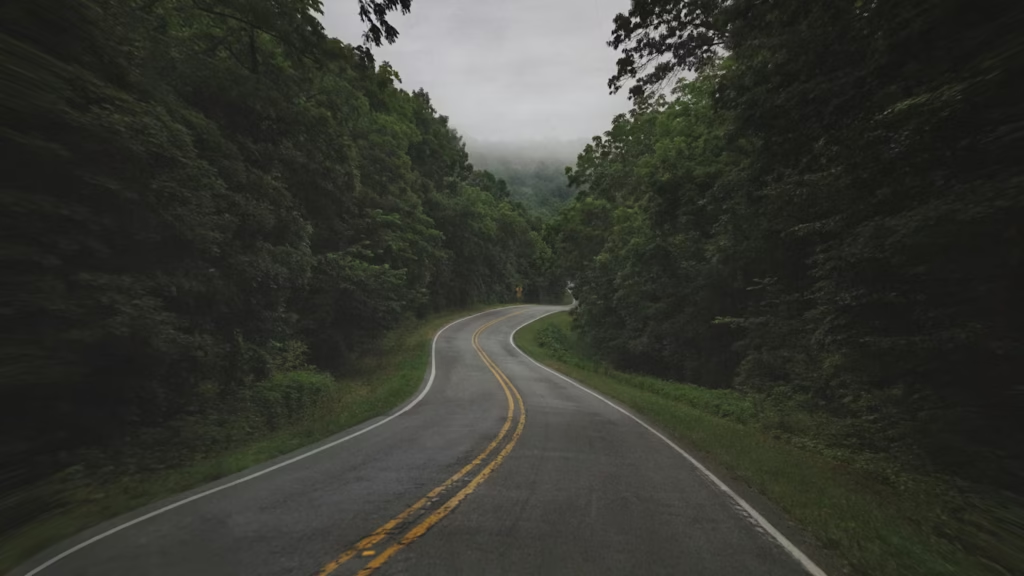
Mountain road trips sound romantic until altitude enters the conversation. Acute mountain sickness, often called AMS, is the most common altitude-related illness. It tends to affect visitors once they cross 2,450 meters (8,000 feet). Headaches, nausea, dizziness, and restless sleep are common, and for many travelers, the risk alone is enough to avoid mountain regions entirely. That concern makes sense. But it doesn’t tell the whole story. Not all mountain landscapes rely on height to create drama. Some of the world’s most rewarding mountain drives run through older, lower ranges where elevation stays well below AMS thresholds. These places still offer winding roads, dense forests, deep valleys, and long scenic days behind the wheel. You get the rhythm of mountain travel without pushing your body into uncomfortable territory. Scottish Highlands, Scotland A week on the road in the Scottish Highlands makes it obvious why driving is the best way to experience this part of Scotland. The landscape may look imposing, but its power comes from scale and atmosphere, not altitude. Wide glens stretch outward rather than upward. Ridgelines run long and open. The road carries you through space in a way that makes each mile feel deliberate, not rushed. The Highlands reveal themselves slowly. You don’t climb sharply. You drift up and down as the land shifts around you. Lochs appear without warning, and none is more iconic than Loch Ness. Driving along its shoreline, it’s easy to understand why legend took hold here. The water is dark, deep, and still, often framed by mist and overlooked by the ruins of Urquhart Castle. Whether or not you believe in Nessie, the atmosphere pulls you in and makes stopping feel inevitable. Weather changes mid-drive. One moment you’re moving through quiet moorland, the next you’re slowing down because the light has completely transformed the view. Curiosity, not fatigue, dictates the pace. Driving also makes it easier to slip into local life. Inverness works as a natural starting point, while Fort William anchors longer days in the western Highlands. Meals matter here. Trying haggis or black pudding for the first time becomes part of the rhythm. So does lingering over local seafood or ending the day in a small pub. Because elevations stay manageable, travelers wary of AMS remain fully present. The tiredness comes from full days of exploration, not thin air. Can we swim in Loch Ness? Swimming in Loch Ness is technically allowed, but it’s not recommended for most visitors. The water is very cold year-round, and visibility is poor due to peat and depth. Strong winds and sudden weather changes can also make conditions unsafe. Ozark Mountains, USA The Ozark Mountains don’t announce themselves with altitude. Their story is older and quieter. Unlike the Rocky Mountains, which rose through tectonic collision, the Ozarks emerged from erosion. Hundreds of millions of years ago, this region was a high, flat plateau made of ancient crystalline rock formed deep within the Earth’s crust. Over time, that plateau was lifted above the surrounding land. Then water, wind, and ice took over. Rivers carved deep valleys. Streams wore down ridges. What remains is a landscape defined by rolling highs and sudden drops rather than dramatic peaks. That long erosion history shapes the drive itself. The Ozarks stretch from central Missouri into northern Arkansas, including cities like Fayetteville, Springdale, and Rogers. However, recent news articles note that many of Arkansas’s roughest roads, based on International Roughness Index data, run through this region. On a road trip, that matters. Mountain roads already demand focus, and poor road conditions make them even harder to navigate. If an unfortunate accident does occur in this region, a local Rogers, Springdale, or Fayetteville car accident attorney can investigate what happened and gather relevant records. They can assess fault, especially when road conditions are involved. They also handle communication with insurers, manage claims, and protect your rights, as noted by Keith Law Group, so you can focus on recovery. Are the Ozarks the oldest mountains in America? The Ozark Mountains are among the oldest mountain systems in North America, but they are not the oldest. Parts of the Appalachian Mountains are older, dating back over a billion years. The Ozarks formed from ancient uplift and erosion, giving them their rounded, worn-down shape today. Black Forest, Germany Germany’s Black Forest offers a refined take on low-altitude mountain driving, where dense woodland, rolling highlands, and settled valleys define the landscape. Long before it became a road-trip favorite, Roman travelers crossed the Alps into this corner of southwestern Germany. They gave the region a name that reflected their first impressions. They called it silva nigra, or Black Forest, after the thick canopy of firs and deciduous trees that cast the land in shadow. The name stuck, even though much of the region today feels open, pastoral, and quietly welcoming. Elevation exists here, but it never overwhelms. One of the best ways to experience this region is by car. Scenic routes like the famed Schwarzwaldhochstraße, one of Germany’s oldest themed drives, trace gentle highland ridges. They offer wide views over forests and valleys without the stress of steep climbs. What stands out is variety. Quaint villages appear often, each with its own rhythm, from timber-framed houses to small cafés and traditional bakeries. Open-air museums preserve centuries-old rural life and craftsmanship, turning short stops into meaningful pauses rather than rushed checklists. Along the way, waterfalls spill close to the road, lookout points open across layered hills, and hiking paths branch off without demanding altitude gain. A drive through the Black Forest is as much about discovery as it is about scenery. Stops for Black Forest gâteau, cuckoo clock workshops, or wandering cobbled village streets become part of the journey, not interruptions. What German city is near the Black Forest? Freiburg im Breisgau is the German city most closely associated with the Black Forest. Located on its western edge, it’s often used as a base for exploring the region by car or train. The city blends historic
How AI Is Changing the Way Modern Travelers Plan, Book, and Experience Trips
Artificial intelligence is transforming travel experiences faster than ever before. Smart travel technology has revolutionized how people explore the world, making AI travel planning more intuitive and personalized than traditional methods. Travelers increasingly rely on sophisticated algorithms that understand personal preferences and deliver highly tailored recommendations. As part of this shift, Global health insurance brokerage for expats fits naturally into the broader ecosystem of AI-powered platforms that analyze vast amounts of data to anticipate traveler needs, helping simplify what were once complex decision-making processes. The digital landscape of travel has shifted dramatically. Modern explorers can now access intelligent systems that optimize routes, compare prices, and provide real-time insights, creating seamless journeys that adapt to changing circumstances with unprecedented precision. From budget airlines to luxury resorts, AI-driven technologies are reshaping every aspect of travel. Sophisticated machine learning models help travelers make informed choices, reducing stress and maximizing enjoyment across international destinations. These technological advancements represent more than just convenience – they signal a fundamental reimagining of how people connect with global experiences, powered by cutting-edge artificial intelligence solutions. The Revolution of AI-Powered Travel Planning Tools Artificial intelligence is transforming the travel planning landscape, making trip preparation smarter, more personalized, and incredibly efficient. Machine learning travel technologies are reshaping how travelers discover, plan, and experience their adventures. Modern travelers now have access to cutting-edge AI-powered itineraries that go beyond traditional travel planning. These intelligent systems analyze vast amounts of data to create tailored experiences that match individual preferences and expectations. Personalized Itinerary Generation AI now crafts travel experiences with unprecedented precision. By analyzing a traveler’s past behaviors, social media interactions, and personal preferences, predictive travel analytics can generate uniquely customized trip plans. Real-Time Data Analysis for Smart Traveling Advanced machine learning algorithms process millions of data points to recommend optimal travel times. These systems track weather patterns, pricing fluctuations, crowd levels, and global events to help travelers make informed decisions. Smart Budget Optimization AI-powered tools now provide intelligent budget management for travelers. Machine learning travel algorithms compare prices across platforms, predict future pricing trends, and suggest cost-effective alternatives that maximize value. These technological innovations are making travel planning more accessible, efficient, and personalized than ever before. Streamlining the Booking Process with Artificial Intelligence Artificial intelligence is revolutionizing travel bookings by transforming a complex process into a seamless experience. Travel automation tools now simplify what used to be a time-consuming task, allowing travelers to book multiple services instantly. AI trip optimization has dramatically changed how people plan their journeys. Intelligent systems can now: Automated travel insurance has become an integral part of this streamlined booking process. AI-powered platforms can now recommend personalized insurance coverage by analyzing: Chatbots and virtual assistants have emerged as game-changers in travel booking. These sophisticated AI tools can understand natural language, interpret traveler preferences, and complete entire bookings without complex forms. The result is a faster, more intuitive booking experience that saves travelers significant time and reduces potential errors. By leveraging cutting-edge technology, travelers now enjoy unprecedented convenience and precision in planning their journeys. The future of travel booking is here – intelligent, efficient, and personalized. Global Health Insurance Brokerage for Expats and AI Integration Navigating international health insurance has traditionally been a complex challenge for travelers and expatriates. Digital transformation is reshaping expat insurance AI, making coverage selection dramatically easier and more precise for global citizens. Modern travelers face unique healthcare challenges when moving across borders. Traditional insurance models often struggled to provide flexible, comprehensive international travel coverage that meets diverse individual needs. Automated Coverage Matching for International Travelers Artificial intelligence now revolutionizes digital nomad insurance by analyzing individual traveler profiles with unprecedented accuracy. These intelligent systems can instantly recommend optimal expat health coverage by considering: Instant Policy Comparisons Across Multiple Providers AI-powered international insurance comparison tools now enable travelers to evaluate multiple policies simultaneously. These advanced platforms translate complex insurance terminology into clear, understandable language, helping users make informed decisions about their global health protection. The future of expat insurance lies in personalized, technology-driven solutions that adapt quickly to individual traveler needs, ensuring comprehensive coverage without unnecessary complexity. Enhanced Travel Experiences Through AI-Driven Services Modern travelers are experiencing a remarkable transformation through AI travel assistance. Smart travel technology now provides seamless support during every stage of a journey, from departure to return. Advanced algorithms analyze travelers’ preferences, locations, and real-time conditions to create personalized experiences that were unimaginable just a few years ago. Language barriers are rapidly dissolving with AI-powered translation tools that instantly convert conversations and signage. Travelers can navigate foreign cities with unprecedented confidence, receiving contextual recommendations for restaurants, attractions, and hidden local gems. These intelligent systems track budget constraints, personal interests, and even real-time weather conditions to suggest optimal activities. Safety has become a priority with AI-driven monitoring systems that track global health advisories, political situations, and potential travel disruptions. When unexpected events occur, smart travel technology can automatically rebook flights, adjust hotel reservations, and provide alternative travel routes. Travelers receive proactive alerts and solutions, transforming potential stress into manageable experiences. The future of travel is now deeply integrated with artificial intelligence. Post-trip services like automated photo organization, expense reporting, and personalized travel journeys demonstrate how technology can capture and preserve memories with minimal effort. As AI continues to evolve, international travel becomes more accessible, personalized, and enjoyable for everyone from first-time tourists to seasoned global explorers.
Simple Cultural Tips That Prevent Common Misunderstandings Across Asia

Travel across Asia can feel exciting and welcoming. Many visitors enjoy friendly smiles, sharedmeals, and rich traditions. Small habits from home can still cause confusion without meaning todo so. Learning basic customs helps travelers feel relaxed and confident. Cultural habits guidedaily life, public behavior, and social respect across Asia. This article shares simple and cleartips that help visitors avoid confusion and enjoy smoother experiences during travel. Calm Actions Show Respect People across Asia value quiet and controlled behavior in public places. Loud voices or widegestures may feel uncomfortable to others. Calm movement shows awareness and goodmanners. This kind of behavior helps visitors blend in and feel more accepted. Body actions carry meaning in many places. Touching someone’s head can feel rude becausepeople see it as important. Feet can also send the wrong message, so pointing them towardpeople or sacred objects may offend. Watching how locals behave helps visitors follow the rightapproach. Greetings That Create Good Impressions Greetings show respect and set the tone for interaction across Asia. Many communities prefer abow, nod, or warm smile instead of physical contact. These gestures feel polite and welcoming,especially during first meetings. Visitors may notice that greeting styles change from place toplace, so learning ahead of time helps reduce confusion. With access to simple travel guidesthrough a prepaid esim for Asia, visitors can quickly learn local greeting customs while on themove. This awareness supports respectful interaction and helps travelers feel more confident insocial situations. Eating Habits And Shared Meals Meals reflect care, patience, and social connection across Asia. People usually wait for eldersbefore starting to eat. Eating too fast or leaving early may seem impolite. Sharing meals oftenstrengthens relationships and mutual respect. Many meals involve shared dishes placed at thecenter of the table. Watching others before acting helps visitors follow the right pace. Respectfuldining behavior helps guests feel accepted during shared meals. Simple Dining Practices To Remember Food manners help visitors avoid awkward moments. These simple habits support politebehavior during meals:● Hold eating tools as locals do.● Accept the offered food with thanks.● Keep utensils placed properly.● Thank hosts after finishing.These small actions show respect and appreciation during dining across Asia. Respecting Dignity In Social Moments Social harmony holds strong value across Asia. People usually avoid public disagreement ordirect criticism. Gentle words help keep conversations calm and respectful. Pointing outmistakes in front of others may cause discomfort. Quiet correction and a kind tone help maintaindignity. A short apology often repairs situations better than long explanations. Showing patienceduring tense moments helps protect relationships. Respectful behavior in these situations buildstrust and long-term goodwill. Clothing And Social Awareness Clothing sends clear signals in many parts of Asia. Modest dress shows respect, especially neartemples or traditional neighborhoods. Covered shoulders and knees often feel appropriate.Clothing choices reflect awareness of local values. Comfort matters, yet cultural awarenessmatters more. Learning dress expectations before arrival helps travelers avoid awkwardmoments. Thoughtful clothing choices support positive interaction in public and sacred places. Staying Informed During Travel Access to information supports respectful travel across Asia. Online guides help visitors learnrules, schedules, and customs. Reliable details reduce stress during daily movement.Knowledge helps travelers make better decisions. A prepaid esim for Asia allows travelers toread cultural advice, check directions, and follow local guidance with ease. Staying informedhelps visitors avoid common mistakes and feel prepared. Using Digital Tools With Balance Digital access works best when used wisely. Reading about customs before events helpsvisitors act with care. Balanced use of online tools supports learning without pulling attentionaway from real moments. Gift Giving And Polite Exchange Gifts often represent respect and appreciation across Asia. Presentation matters, so neatwrapping shows care and effort. The meaning behind the gift often matters more than its price.Gift exchange often strengthens social bonds. People may refuse a gift at first to show modesty.Offering again in a gentle way feels polite. Understanding this custom prevents confusion andbuilds warmer relationships. Listening And Clear Communication Listening shows respect in many conversations across Asia. Short pauses may signalthoughtfulness instead of confusion. Speaking over others may feel rude in formal settings.Patience during talks helps create understanding. Soft tones and indirect words help maintain acalm discussion. Visitors who listen with patience often gain trust. Clear and respectfulcommunication supports better understanding. Cultural awareness helps travelers connect with people in a respectful way. Small actions,thoughtful behavior, and polite communication shape positive experiences. When visitors showcare and curiosity, traveling across Asia becomes more enjoyable and meaningful.
The Baby Travel Guide Parents Wish They Had Earlier
Traveling with a baby can feel stressful, especially when you are unsure about what to expect. You may worry about routines, long flights, or how your baby will react to new places. These concerns are common for parents who travel with very young children. With the right steps, you can turn these worries into manageable moments. You learn how to plan around your baby’s needs and stay flexible when things shift. Simple preparation helps you feel more confident during each part of the trip. Planning early makes each step of the journey feel more manageable. This guide offers practical strategies to support you during busy travel days. With these ideas, you can focus more on comfort and less on uncertainty. Understanding Your Baby’s Sensory Thresholds Babies react quickly to changes in their surroundings. Noise, bright lights, and temperature shifts often trigger discomfort. To help your baby adjust, keep all transitions slow and steady. This method prevents your child from feeling overwhelmed in new spaces. As you consider how your baby responds to new environments, you should also examine your everyday travel items. You may also check safety updates for feeding tools and travel essentials. In the USA, some families raised concerns outlined in the baby formula lawsuit. It focuses on how certain formula products were linked to health issues in infants. According to TorHoerman Law, the lawsuits argue that cow-milk-based formulas posed a higher risk for premature infants, which led families to seek legal action. This situation is limited to the US. Still, it reminds us to stay mindful of product safety when packing feeding supplies. Beyond safety concerns, simple preparation habits shape how smoothly your travel day unfolds. BuzzFeed shares a few steps that help you plan. Early screen time can cause restlessness later, making new environments challenging to handle. Planning for this helps manage smoother transitions during busy travel moments. Another simple, helpful tip is to pack a comfort item, like puffy stickers. They help keep your child calm during stressful travel moments. Creating a Stress-Free, Flexible, Travel-Proof Routine You may try to copy your home routine during travel, but this rarely works. A portable routine helps you stay flexible while keeping your baby comfortable. You can choose three or four anchor points for the day, such as morning feeding, an afternoon nap, and bedtime. These points help you set a rhythm without building pressure. Parents also benefit from arranging flight times that match their baby’s natural sleep cycle. One well-timed nap can reduce stress for the rest of the day. This simple step helps you avoid fussiness mid-flight. Good planning helps, but travel is not always predictable. NPR explains that parents often face unpredictable travel days, when routines shift without warning. Many parents revealed that extra clothes and simple comfort items helped them stay calm when their plans got delayed. Some parents also suggested packing needed medication in the carry-on, since illness generally occurs during long trips. These points help you prepare for days when routines break easily. NPR also shares another helpful detail for parents who want fewer surprises during travel. Early flights reduce stress because delays happen less often during those hours. Parents also get more time to settle their baby before airports become crowded. Managing Health, Hygiene, and Safety on the Road Travel exposes your baby to new environments. You must take steps to manage hygiene and reduce illness. Wipe down feeding and sleeping spaces, especially in hotels or rental homes. Carry a small kit with wipes, sanitizer, and extra clothes. Water safety also matters. Babies face a higher risk of dehydration during travel. You should prepare backup feeding plans when clean water or safe feeding areas are not available. This includes carrying sealed water bottles and extra feeding supplies. Temperature shifts during travel can also cause discomfort, so keep a light layer handy. You can add or remove clothing to help your baby stay comfortable. These steps become even more important when stomach issues happen during travel. The CDC explains that infants lose fluids faster during diarrhea or vomiting. They advise parents to pack oral rehydration solution packets and prepare them only with treated or bottled water. The CDC also recommends using safe water when cleaning bottles, pacifiers, and toys. These precautions reduce illness in areas where water quality is uncertain. They further note that breastfed babies should continue feeding during illness to support recovery. Mastering Airports, Flights, and Long Travel Days With Confidence Airports can be hard for parents. You deal with security checks, long lines, and heavy bags. You can make this easier by organizing your carry-on bag. Keep wipes, snacks, a change of clothes, and comfort items on top. This helps you respond fast when your baby needs something. Early boarding is another helpful step. Many airlines now offer early boarding to families. This window lets you set up your space, store bags, and settle your baby before the cabin gets crowded. This reduces stress before takeoff. During the flight, support your baby during pressure shifts. Offer a pacifier, bottle, or feeding during takeoff and landing. Movement can also help. A slow walk up the aisle can calm your baby if the seat feels too tight. After the flight, your planning shifts to where you stay and how much you want to explore. The New York Times recommends choosing one or two destinations so your baby adjusts more easily. They explain that the place you stay also matters. Rentals with kitchens give you flexibility, while hotels help when you require quick meals or housekeeping support. The New York Times also emphasizes limiting sightseeing to a single activity, which keeps the day manageable for you and your baby. Finally, they advise consulting your pediatrician before long trips to review vaccines and confirm an emergency plan. People Also Ask 1. What is the best age to start traveling with a baby? Most parents feel comfortable traveling once their baby is a few months old, especially when feeding patterns become predictable. At
Solo Exploration vs. Guided Group: When to Choose an Escorted Tour for European Adventures
Europe gives millions of travelers each year countless ways to explore it, but the two basic approaches boil down to going solo or joining a guided group. Some people love the idea of meandering through a city with nothing but a basic map, while others prefer the help of a guide who can let them in on local secrets. Both options have their benefits, but one will likely suit your preferences and comfort level much more than the other. The Appeal of Solo Travel Traveling alone comes with its own kind of freedom. You get to set your pace, choose the detours, and decide how you want to spend your days. Solo travel allows for a more personal, on-the-ground experience. You can stop at a local market that catches your eye, get to know the locals, and discover the lesser-known spots that mainstream travelers usually miss. These authentic experiences rarely happen when you’re following a group schedule. You also have the option to have some downtime on the days you really want to without the pressure to keep pace with others or compromise on your preferred rhythm. Solo travel is a good fit for people who are more independent and prefer exploring unfamiliar places on their own. The Escorted Tour Route When you go with an escorted tour, you’re taking a lot of potential stress and guesswork out of the equation. Instead of figuring out public transportation schedules or trying to secure hotel and museum bookings, everything is mostly handled for you. It’s one of the main reasons why more and more travelers gravitate towards all-inclusive Europe travel options. A guided tour also gives you access to all of those local insights you might miss whenexploring on your own, such as strange historical stories or the best food cart to grab your lunch from. You also get to meet fellow travelers who share your interests, which can make the whole trip more fun and relaxing. And, if downtime is still important to you, all you have to do is look out for a tour that gives you pockets of free time. It’s the best of both worlds. Deciding On Your Travel Style The last thing you want to do is book an entire European trip only to be left feeling frustrated and disappointed. So, before committing to either approach, let’s look at the most important considerations. Experience level: If you’re new to travel, you might feel more comfortable in a groupwith a guide, but if you already have a few trips under your belt, solo travel could bean exciting twist.Time: If you want to spend more time sightseeing and less time on logistics, anescorted tour is ideal. Solo travel, on the other hand, gives you more chances to pickand choose and slow down.Budget: Solo travel could work out cheaper, especially if you’re visiting some of thecheapest places in Europe, but it all depends on how you spend your time. As forgroup tours, they might seem like they cost more upfront, but consider everythingthey include in that price.Destination: Cities that are easy to navigate, like Amsterdam or Barcelona, are greatfor independent travel, but if you’re heading to more complex regions, an escortedgroup could make more sense. Choose Your Own Rhythm There’s really no single way to see Europe, and both solo travel and guided groups will give you a memorable experience. The best European adventure is the one that’s based on your preferences, so get clear on those first, and the rest will fall into place.
8 Perks of Buying Static Caravans for Sale on Site
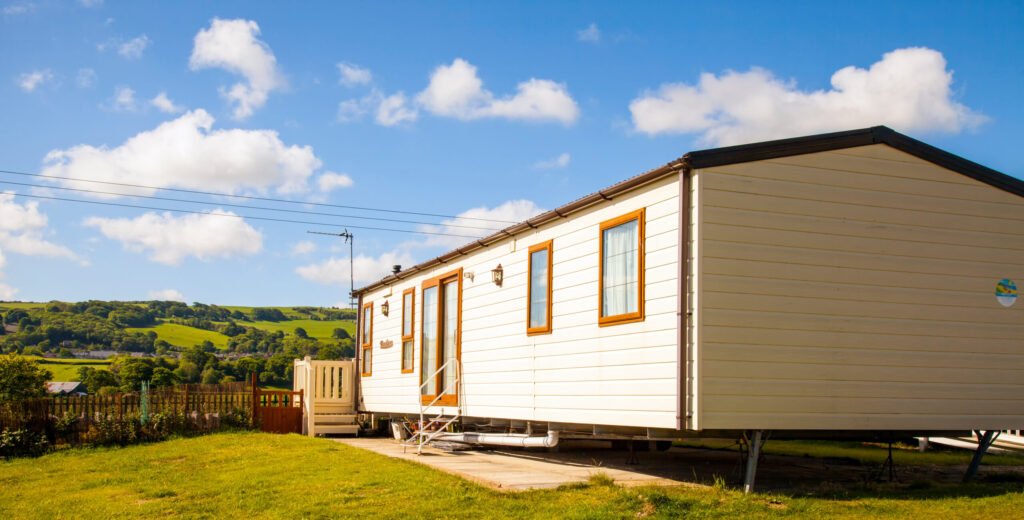
Buying a holiday home involves more than simply choosing a structure. It is about having a base where travel plans turn into real stays without needing constant setup. Static caravans meet that need because they remain in a chosen park while offering the comfort of a compact home. Many buyers are looking at holiday homes because the format combines affordability with convenience. The following eight perks explain why purchasing a static caravan on-site makes sense for people who want stability and comfort at their chosen park. Immediate Access and Convenience One major advantage of choosing static caravans for sale on site is the instant access after purchase. The caravan is already placed on a pitch within the park, which removes the effort of arranging transport or relocation at the start. You can step into the unit after completing the paperwork and begin using it almost immediately. It’s a practical approach for families or individuals who prefer a ready-to-use option over arranging an off-site static caravan and moving it later. Clear Costs and Transparent Site Fees Parks that sell caravans directly often display all expenses up front, including site fees. This clarity helps potential owners plan their budget without hidden charges. People can compare annual running costs between parks and see exactly what is included, such as water, security, and amenities. That level of transparency makes it easier to assess long-term affordability and avoid unexpected expenses. Comfort Features Similar to a Small Home Modern on-site static caravans often include fittings that make long stays comfortable. Heating systems, such as central heating, keep the interior warm during colder months, while layouts often include spacious kitchens and living areas. Buyers can enjoy a familiar domestic setting inside a leisure environment, which is especially helpful for extended stays or off-season visits. Wide Range of Ownership Options Many parks offering on-site caravans provide several ways to finance a purchase. Flexible finance options make ownership accessible to different budgets, which can help new buyers start with a manageable plan. Some even combine introductory offers with after-sales support,giving buyers a smoother path to ownership. This variety allows people to match their purchase method to their circumstances without pressure. Build Quality and Energy Efficiency Caravans available directly through parks often come with features that improve durability and comfort. For example, double glazing helps maintain a steady indoor temperature and reduce outside noise. Combined with good insulation, this raises energy efficiency, which can reduce ongoing costs. Many newer models also carry improved safety standards and modern materials that increase their lifespan. Easier Upgrades and Trading Opportunities Owners who buy on-site often gain access to programs that support upgrading over time. Some parks work with a static trader or run in-house schemes that let you trade in your current unit for a newer model. This process can be simpler than arranging a private resale because the park manages much of the paperwork. It gives buyers a path to keep their accommodation up to date without starting from scratch. Variety Across New, Used, and Private Sales On-site sales usually cover different categories of caravans. Parks may offer brand-new units, used static caravans, or even second hand models coming from other owners. Some locations allow private sale caravans inside the park, which can create attractive price points for buyers looking for alternatives to new builds. This diversity increases the chance of finding a unit that fits your needs and budget. Location Benefits and Support Services Choosing an on-site purchase also means securing a pitch in a setting that matches your preferences. Many parks highlight scenic spots such as lakesides or a hillside view, creating appeal through all four seasons. They also manage the practical side of setup. Siting availability is handled by the park, and a delivery team often coordinates positioning and installation for you. Buyers can ask for expert advice about layout or regulations, take a free consultation to plan their purchase, and get ongoing guidance about caravan ownership rules. Conclusion Static caravans sold directly on-site combine convenience, comfort, and straightforward costs. They provide ready placement, transparent fees, and features such as central heating or double glazing that make extended stays pleasant. Flexible finance options and trade-in schemes help owners keep their unit current, while a range of new and used models expands choice. Parks offering these sales often back them with expert advice, free consultations, and delivery teams to manage siting, which strengthens customer satisfaction. For anyone considering mobile accommodation, purchasing through an on-site program offers a grounded way to secure a personal space in a favorite location without the complications of relocation.
How To Choose Affordable Data Plans for International Travel
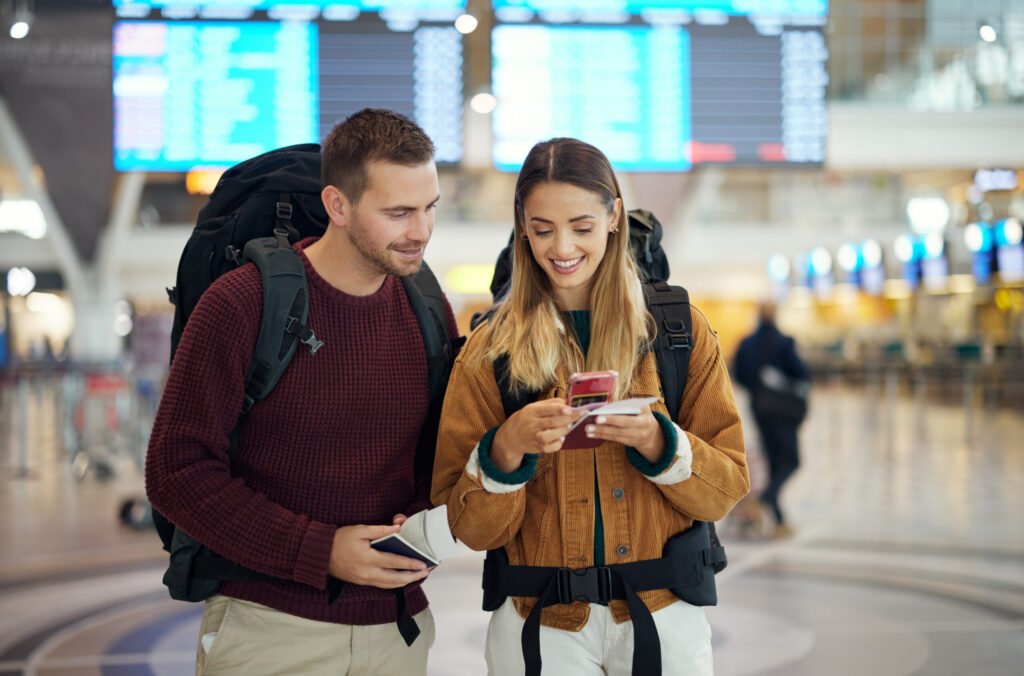
Staying connected while travelling abroad is no longer just a nice extra, but a necessity. From booking rides to finding your way through unfamiliar streets, mobile data can be the difference between a smooth trip and unnecessary stress. The challenge, however, is that international roaming charges can quickly add up and leave you with a bill that’s far bigger than expected. That’s why it helps to plan ahead and choose a data option that fits both your budget and your travel style. To make the selection process simpler, here’s how you can find affordable data plans that keep you connected wherever your trip takes you. Assess Your Travel Needs Think about how much data you actually use during a typical day. If you only plan to send messages and check email, a small data package may be enough. On the other hand, if you rely heavily on your cell phones for maps, social media, or video calls, you’ll need a more generous plan, perhaps even an unlimited data plan. Understanding your own habits makes it easier to avoid paying for features youdon’t need. This step also helps you compare options more realistically. A clear idea of your usage prevents overspending and reduces the risk of running out of data midway through your trip. Compare Local and International Options Check if it’s cheaper to purchase a local SIM card at your destination or to buy an international plan before leaving. Local options often provide better rates and larger data allowances, but they require an unlocked phone and may involve navigating language barriers. International eSIMs, on the other hand, can be activated instantly and often support multiple countries, making them a great fit for longer trips. If you’re heading across several European destinations, choosing the best travel card for Europe or a reliable eSIM can help you stay connected without constantly switching SIMs. Research Coverage and Reliability A data plan is only as good as the coverage it offers. Cheap packages can look tempting, but may leave you without service in certain areas. So, research whether the provider has reliable coverage in the cities and regions you’ll visit. If you’re traveling to rural areas or multiple countries, wider international coverage should take priority over price. For a woman traveling solo, reliable data is also about your safety. Having strong connectivity ensures you can access maps, call transportation, or reach emergency services when needed. Don’t underestimate how much peace of mind comes from knowing you’ll have service wherever you go. Check Roaming Policies and Hidden Fees Some data plans appear affordable upfront but include hidden charges. Always read the fine print. Look for information on roaming restrictions, data speed limits, and extra costs for exceeding your allowance. A plan that throttles your speed after a small amount of usage might not be practical if you’re a heavyuser. Also, pay attention to billing cycles. Some plans are valid for a fixed number of days, while others reset monthly. Choosing the right structure ensures you don’t end up buying multiple short-term packages unnecessarily. Choose Flexible Plans for Multi-Country Trips If your trip involves multiple destinations, you need to find a flexible plan. Some providers charge extra for crossing borders, while others include broad regional coverage. Choosing a plan that allows you to move between countries without extra fees can save you time and frustration. For example, European travelers often benefit from regional packages that let them use their data across several countries. This option is especially helpful for backpackers, students, or professionals traveling for extended periods. Balance Cost With Convenience The cheapest plan isn’t always the best choice if it complicates your travel experience. Having to constantly top up or switch SIM cards can be stressful when you’re already dealing with multiple itineraries and transportation. A slightly more expensive plan that offers seamless connectivity may be worth the extra expense. So, see whether you prefer peace of mind or strict budget control. Both approaches are valid, but recognizing your priority helps you pick the plan that suits your travel style. Use Wi-Fi Strategically To Reduce Costs Even with an affordable data plan, using Wi-Fi whenever it’s available is a smart way to stretch your allowance. Many hotels, cafes, and airports provide free connections. Downloading maps, entertainment, or work documents before heading out can drastically cut down on mobile data use. Just remember to stay cautious when using public networks. Protect sensitive information by avoiding online banking or entering personal details on unsecured Wi-Fi. A simple precaution like using offline apps can help you stay connected while keeping costs low and information safe. Monitor Your Usage Throughout the Trip Once you’ve chosen a plan, keep track of your data consumption. Most mobile phones allow you to check usage under settings, and some providers offer apps that show remaining balance in real time. Regular monitoring helps you avoid overage charges and adjust your habits if necessary. Small changes, like switching to offline maps, downloading playlists in advance, or limiting video streaming, can makeyour plan last longer. Key Takeaway Affordable international data plans are within reach when you take time to match your usage with the right package. As long as you assess your needs first, compare local and global options, and pay attention to coverage and hidden fees, you’ll save money while staying connected. A thoughtful choice not only protects your budget but also makes your trip smoother and more enjoyable.
What are Schengen Visa First Port of Entry Rules?

When planning a trip to the Schengen Area, tourists frequently fight to decide which country’s embassy should handle their visa applications. One of the most misunderstood parts of Schengen visa laws is the first port of entry requirement, which may result in applications being rejected and travel plans being thrown off. Anyone wanting to visit several European locations with a single visa must be aware of these rules. A full understanding of entrance regulations promises smooth travel through immigration controls in all 29 participating countries and helps avoid expensive mistakes. Decoding the Main Destination Rule in Requirements for Schengen Visa The basic concept of the Schengen visa system is that applicants must send their applications to the consulate of their main destination, not necessarily their initial port of entry. The nation where the applicant plans to spend the most nights during their trip is referred to as the main location. Many tourists erroneously believe they should apply via the nation where they will land, therefore this difference is important to knowing the rules for Schengen visa applications. For instance, as Italy is the main location, a person who flies into Paris with plans to spend two days in France, five days in Italy, and three days in Switzerland should apply for an Italian visa. For application reasons, the initial port of entry – in this case, France – becomes useless. Regardless of the airport used as the first point of entry into the Schengen Area, this idea is relevant. When Entry Points Actually Matter in Requirements for Schengen Visa Only when tourists want to spend an equal amount of time in several Schengen countries does the first port of entry become important. Applicants should apply through the embassy of the nation they plan to enter first in cases when nights are split equally among countries. When choosing which office should handle the application, this works as the tiebreaker rule. Clear papers showing an equitable distribution of time and verified entrance through the chosen country are necessary to meet the requirements for Schengen visa acceptance in such situations. Consistency between visa, itinerary, and real travel plans is important since immigration agents at the first port of entry may investigate tourists whose country of origin changes much from their stated route. Essential Documentation in Requirements for Schengen Visa Applications The basis of a good Schengen visa application is thorough paperwork. Existing passports must have at least two blank pages for visa stamps and be good for at least three months beyond the planned exit date from the Schengen Area. Applications are strengthened by old passports that show previous travel records, which attests to legal travel practices and return compliance. Completed application forms with correct information that matches all supporting paperwork are necessary for the acceptance of a Schengen visa. Applications must be presented with two current passport-sized shots that are 35 x 45 mm and have white backgrounds. For visa officials reviewing applications, cover letters sent to the consulate outlining the reason of the trip, the schedule in detail, and the accommodations are vital. Travelers have secured lodging, as indicated by confirmed hotel bookings for the full planned stay. Although the majority of consulates accept refundable reservations instead of demanding non-refundable sales before permission, round-trip flight tickets show planned entrance and departure times. Among the prerequisites for getting a Schengen visa, travel insurance with a minimum coverage of €30,000 for medical situations in all Schengen nations is still required. Financial Proof Standards in Requirements for Schengen Visa Perhaps the most important component of the standards for Schengen visa applications is showing financial capabilities. The ability of applicants to finance their trips without becoming public liabilities is demonstrated by bank records from the previous three to six months that indicate constant balances and regular transactions. Unexpectedly big deposits that lack reason create suspicions since they appear to be borrowed money rather than the result of true financial security. Recent pay stubs, job letters with leave approval on business letterheads, and three years’ worth of income tax returns are needed for paid staff. GST certificates, personal and business tax returns, business bank accounts, and other paperwork such as partnership deeds or company memorandums of association, based on the business form, are needed for self-employed prospects. Navigating the Application Process Successfully Many tourists find that expert advice is helpful due to the complexity of criteria for Schengen visa applications. By helping in getting visa interviews within specific timelines, Atlys simplifies the process and removes one of the biggest obstacles that applications experience due to high demand and limited spots. One cannot stress the need for unity across all books. All application forms, hotel reservations, aircraft reservations, and supporting papers must have similar names, times, bookings, and schedules. Even little differences draw attention and might cause applications to be stalled or canceled. Verifying official checklists before filing is crucial since local rules may demand different extra papers from each consulate. Understanding Entry Flexibility After Approval Schengen visas can be obtained through any Schengen country, not just the one that gave them or the designated initial port of entry. Significantly departing from the plan without good cause, however, may cause problems for future applications. Application fraud may be suspected if there are trends of applications to one nation followed by instant travel to another, as immigration agents keep track of passengers’ real journeys. The acceptance of a Schengen visa requires more than just presenting papers; it also requires that stated plans and actual travel stay constant. At the very least, travelers should give solid reasons for itinerary adjustments or, at the very least, spend the majority of their journey in the nation that gave their visa. This approach protects future visa application chances as well as current trip plans in all Schengen member nations.
How I Saved ₹46k+ on Currency Exchange Across 3 Countries

Exchanging currencies weighs heavily on any travel budget, especially while visiting three countries. Currency conversion fees are often accompanied by markup fees on cards, conversion charges, and other hidden fees. However, with certain practices while travelling, a foreign trip involving multiple countries can be made convenient, easy and free of these charges. I saved roughly ₹46k on currency exchange across multiple countries by getting a multi-currency forex card, exchanging money at online marketplaces instead of airports or hotels, always choosing to pay in local currencies, using cash for small payments, knowing my bank’s global partners and using ATMs fewer times. Small changes in habits can often save you a lot of money by steering clear of needless charges. Your world tour dreams are definitely not going to be restricted by any hefty currency exchange fees. How I Saved Money on Currency Exchanges 1. By Using Online Currency Marketplaces and Forex Cards Online currency exchange marketplaces offer transparency and much cheaper alternatives to anyone conducting an online transaction or travelers exchanging currencies for their trip. They always show real-time exchange rates. With these, I could choose to either order physical currency right from my home or get a travel card at the favourable rates before my trip. I Utilized Multi-Currency Forex Cards Prepaid forex cards are a lifesaver for international trips. In the BookMyForex multi currency forex card, for example, I can load up to 40+ different currencies. It can be connected to the BookMyForex app too for utmost convenience. I didn’t have to exchange currencies again and again for my trip to the USA, UAE and Thailand simply because I had loaded up my forex card prior. Since the ATM would’ve charged me around 100 Rupees each time just to check the balance, I used the app and avoided spending hundreds of rupees. Card getting short on money? Just load some from your bank into the card through the app instantly. These cards offer inter-bank rates that aren’t inflated. ATMs and stores also accept them internationally like credit cards and they charge zero markup fees and no hidden fees. By using forex cards instead of credit cards, I saved around 3000 rupees in this regard on my USA trip and almost the same amount in the UAE and Thailand each, since I avoided the extra 2-3% percent charges that come with credit card transactions compared with forex cards that charge zero markups. Furthermore, you can lock the rates at which you get a forex card so that no future currency fluctuations affect you. Watch the real-time rates for some time before your travel dates so you are aware when the rates are favourable. Then get the card locked at those rates. I had extra currency in the card even after my international travel, so I unloaded it back into my bank account as well. 2. I Carried a Mix of Payment Methods It’s not allowed to carry more than 25000 INR outside of India, so it makes sense to carry money in other ways. And since my travel plan included three countries, getting Indian Rupees from one place to another to exchange them internationally wasn’t a wallet-friendly option either. A forex card can load multiple currencies and hence is very useful for such trips like mine. I carried a mix of cards and cash. That helped me tackle most emergencies, like in a remote area when payment through cards wasn’t available. Keeping my diverse payment options at different places also helps me against theft or loss. It also helped in managing big or small payments accordingly. It makes sense to buy public transport tickets or street food via cash and hotel room bookings via a forex or credit card, since it might offer cashbacks on such transactions. 3. I Got in Touch With My Bank I contacted my home bank before my trip to notify them about my travel plans, to avoid getting my card or account blocked for suspicious activity. Taking care to know about their global partner banks also helped. These global partner banks must have ATMs abroad that allow money withdrawal without charging as much as other foreign banks’ ATMs might. In the long run, this saved me around a thousand rupees. One can also try getting a debit or credit card from their bank that charges no foreign transaction fees. 4. I Budgeted My Trip I made a rough budget of my expenses, including what I would spend on shopping, meals, accommodations, and transportation. I was able to load an estimated amount of money into my forex card and carry enough cash. Making a budget also gave me a rough idea of how much cash I should withdraw from the ATM in one go. Fewer withdrawals means less conversion fees charged by the ATM, since they charge a fixed amount per withdrawal. I carried around 30% of my budget as cash for my Thailand trip. The rest I had loaded into my cards. By withdrawing only once or twice on each trip, I saved more than 2500 rupees since it charged around 175 Rupees for each withdrawal across countries. It also helped to avoid overspending since I had a good idea of how much I was spending. Forex cards also help with this since I loaded only a certain amount of money in them. Mistakes I Avoided While Exchanging Currencies 1. I Avoided Currency Exchange at Airports or Local Shops Airports are often termed as the worst place to exchange currencies. They charge a high percentage of conversion charges and offer poor exchange rates, costing a lot more money than currency conversion should. The local kiosks and shops also charge much more than online forex services or banks, since they also charge a commission. Even banks can charge a profit margin on top of the exchange rates they offer. The true exchange rates, called the inter-bank exchange rates, can be seen in real-time online. I did not trust local guides or hotels either with currency
9 Essential Solo Female Travel Tips in India

A few years back, when I used to listen to other travellers’ stories about how they had a solo female travel experience in India, I always wondered how they weren’t intimidated by solo travel in India. How weren’t they scared of the unknown, the people, unfamiliar areas, and the world in general? I also used to wonder whether travelling alone in India could even be a fun experience. Someone like me, who has (or had) claustrophobia, never really thought of attempting a solo trip in India. But I love to travel, and I don’t like to rely on people for my trips. I really wanted to see Sikkim, but I had no one to accompany me. So the rebel in me took the plunge for my happiness when I wanted to see the unknown. I booked the plane tickets and stepped out to test my capabilities of taking care of myself. Trust me when I say this was one of the most fruitful experiences of my life that I will always cherish. It taught me so much and gave me endless memories. So here I am, sharing a bit of my experience and how I overcame the fear of travelling alone. It helped me immensely, and I’m sure it will help you just as much. Read along to discover nine solo travel tips for exploring India independently. About the Trip I went to Sikkim alone for a duration of five days, and I realised it wasn’t as difficult as I thought it would be. This experience convinced me that Sikkim is truly one of the best places in India to travel solo, especially for first-time solo travellers. I also covered Zuluk, and if you wish to add that place to your bucket list, read my guide on Zuluk here – Zuluk Travel Guide. Sikkim will always be close to my heart because it helped me to let go of my insecurities and fears. It helped me to overcome claustrophobia. Moreover, it taught me that you will always find good people on the road who will reach out to help you. You will start loving yourself a bit more. You will gain immense confidence. And apart from all of this, you will happily be in a place unknown amidst a crowd of friendly people. Don’t get me wrong, I was sceptical at first, especially when you don’t get much leverage since women’s safety is a critical issue, and when you hardly get permission from your parents. Solo female travel in India requires extra planning and awareness, but it’s achievable and rewarding. Since I was claustrophobic, staying alone in a dimly lit room was also a challenge for me. That’s when I realised how easy it is to trick your brain. And how can you do that? Befriend it, start talking to it, mumble to yourself, and maybe, when no one is looking, jump in the middle of the road and record yourself as you would do with your best friends. Also Read – Travel Guide of East Sikkim Best Solo Travel Destinations in India for 2025 Based on my experience and current trends, here are some of the best solo travel destinations in India that have become increasingly popular: Mountain Destinations Cultural Hubs Be Alert This is a no-brainer, but honestly, this is the most crucial aspect too. Trust your instincts. Notice your surroundings before stepping anywhere. This will not only help you gain confidence but will also help you understand how to behave in a particular place and where exactly you should be extra cautious. If you think you don’t feel safe somewhere, walk away from that place. Notice the people around you. In travelling, it’s all about observing and understanding how people are through your instincts, and if you find something suspicious, just walk away. Instincts and vibes play a very crucial role in solo travel in India. Stay Confident Staying confident is the key. If you walk around like you have a purpose, like you know what you’re doing, no one will approach you with wrong motives. In fact, you’ll also feel like you belong there. Act like you know what you’re doing and that you know a lot about the place. Walk like you’re not a newcomer. This will also make you feel at ease. Furthermore, it will give you the courage to go ahead and talk to strangers, which will help you feel at home. It made me feel at home in Sikkim because of this, and I’m glad about it. Gather Intel What I usually do when I travel alone in India is to ask about a particular place to as many people as possible. I might go to a Tourism board, then also to my hotel manager, and then maybe to a local shopkeeper as well. I will ask the same thing to as many people as possible. For instance, if you ask a travel question to a stranger, and the same answer is given to you by ten others, you know that it is the right thing to do. You will know that a particular stranger is not fooling you. Inform Someone Earlier, when my parents weren’t aware of my solo travels, I used to give my itinerary and share my travel plans with a close friend. I would tell them my whereabouts and give them the details of the hotel I was staying in. If I thought something wasn’t right, I would give them a call to inform them. Basically, they became my travel book, away from me, someone who knew the ins and outs of my whereabouts. This helped them trace and assist me if anything went wrong, which hardly ever does, though. I did the same in Meghalaya during my solo trip and had an amazing time! Don’t Resist Well, there can be a few cases of bad luck, right? What I’m trying to say here is, if someone tries to steal things from you, don’t resist. After all,