Himachal Pradesh

Triund Travel Guide
Asia, Destination, Himachal Pradesh, India

Triund Trek Guide 2025: Everything You Need to Know

 Located at a height of 10,632 feet, Triund is one of the most popular treks in Himachal Pradesh. It is a magical place that never loses its beauty or charm. This destination offers jaw-dropping views of the Dhauladhar Range on one side and the Kangra Valley on the other. Triund is a hill station that offers stunning views from dusk to dawn, with the ability to leave visitors speechless through its varied panoramic vistas and changing colours throughout the day. But when is the best time to visit? Should you go during winter or summer? Below, you’ll find everything you need to know about visiting this breathtaking place, including a detailed guide from Delhi to Triund, trek costs, and distance information. Triund Trek Update 2025 Current Camping Status:  As of 2025, camping regulations at Triund have been updated. Night camping and staying at Triund is not allowed per the state government’s order, though some sources indicate several tents and guesthouses are available for rent. Additionally, you’ll need to get a permit that costs INR 100 per day for each person, and if you want to camp overnight, it’s INR 550 per camp for two people. But do check current regulations before planning your trip. You can still enjoy a day hike, but overnight camping may be restricted. Furthermore, many shops along the way have been closed, except for Magic View Cafe. Important Things to Remember:  Take sufficient water and food along with you, as facilities are limited.  I recommend this because of the environmental concerns. The meadows have suffered damage due to overcrowding from camping activities. There were permanent camps that destroyed the grass completely. Additionally, excessive trash generation and the transformation of this peaceful site into a commercialised area have impacted the natural serenity. What once had only 2-3 shops has expanded to numerous illegal establishments along with multiple guesthouses. Triund in Summer vs. Winter Having visited this place in both seasons, both offer spectacular views, each with its unique charm. Summer Experience: The evening sun creates a magical, soothing, and peaceful atmosphere. The trek is comparatively easier, and the weather is more comfortable for camping. Winter Experience: Snow transforms the landscape into a wonderland, making everything extremely cold. The hike becomes more challenging due to slippery conditions, but the snow sparkles beautifully when the sun’s rays fall on it. Both seasons have their own appeal, making this trek an evergreen choice regardless of the month and weather. However, avoid visiting during monsoons as the trek, camping experience, and views are all compromised. Additionally, the Milky Way Galaxy, one of Triund’s main attractions, is not visible when the sky is cloudy. Detailed Season Comparison: Trek Difficulty: Summer treks are comparatively easy. During winter, the hike becomes slippery, especially when ice crusts form on the trail. Scenic Views: Winter offers a more dramatic experience with the golden light illuminating the snow-covered landscape, creating an even more beautiful setting. Accommodation: Camping during winter is harsh and difficult as temperatures drop below freezing point. Stargazing: Viewing the Milky Way is more challenging during winter as the Earth’s hemisphere shifts, making the celestial display less dramatic. However, star trails remain beautiful throughout the season. Weather Considerations for 2025: Winter conditions are described as “wintry and serene, with snow covering parts of the trail. Not ideal for casual trekkers; suitable only for experienced trekkers looking for a winter adventure”. Both seasons are perfect for visiting Triund. Your choice depends on your tolerance for harsh weather conditions and whether you want to experience snow. Below, you’ll find comprehensive details regarding Triund trek costs, distance, accommodation options, and a detailed itinerary that can be applied to both seasons. Additional Updates Looking for other hill stations to explore in India? Check this – 54 hill stations we have explored in India Best Time to Travel to Triund December Mid to March: Personally, I would say the best time is during winter, even though the climate is harsh. This is because the winter glow on the snow from the warm sun is mesmerising. The snow-covered landscape creates a magical atmosphere that’s truly unforgettable. April to June: Summer is also a perfect time to visit this place, as the view of the Milky Way is really amazing and clear. The weather is pleasant, making it ideal for camping and stargazing. July to September: Avoid Triund during the monsoon season as the sky is covered with clouds, making the night sky faintly visible. Additionally, if it starts raining while camping, your stay will become difficult. Treks on wet terrain are also challenging and potentially dangerous. Pro Tip: If you want some respite from the crowds, it’s better to plan your trek during weekdays rather than weekends. How to Reach Triund from Delhi By Bus There are overnight buses from Delhi to McLeodganj that take approximately 10-12 hours to reach McLeodganj. HRTC operates 8 buses daily on this route. If you cannot find direct buses to McLeodganj from Delhi, I would advise you to take a bus to Dharamshala first, and from there, you can take another bus or a cab to McLeodganj. The distance between Dharamshala and McLeodganj is just 30 minutes by road. You can also book bus tickets through platforms like AbhiBus, which often provide discount offers, and redBus offers deals with 5-25% discounts on bus tickets. Bus Booking Details: By Train If you’re travelling by train, Pathankot is the nearest railway station to Triund. From Delhi, trains like the Jhelum Express operate daily, leaving New Delhi at night and reaching Pathankot in the morning, with tickets priced at approximately INR 300. From Pathankot station, you can take a direct bus to McLeodganj or Dharamshala: Train Booking: You can book train tickets at irctc.co.in or the official IRCTC mobile app. By Flight The nearest airport to Triund is Kangra Airport (also known as Gaggal Airport), located about 20 km from Dharamshala. Flight fares from New Delhi to Dharamshala start from around INR 2,400, though prices vary based

Key Monastery, Spiti
Asia, Destination, Himachal Pradesh, India

10 Days in Spiti: How to Travel to the Cold Dessert?

Spiti is also known as the “Middle Land,” as it lies between Tibet and India! It is the most beautiful hill station I have visited, yet. The picturesque landscapes seem like something out of a painting. With monasteries adorning this valley and mountains stretching up to as far as the eye can see, Spiti is a place every Indian would like to visit, once in their lifetime and for good reason! Located in Himachal Pradesh, Spiti Valley is a cold desert mountain valley that offers surreal views and raw Himalayan beauty. Below you will find how you can explore Spiti in 10 days, along with routes, bus timings, itinerary, cost-cutting tips, and stay options. Also, if you are planning to explore Kinnaur along with Spiti, read my detailed guide – Kinnaur Travel Guide Spiti looks stunning throughout the year, and each season offers a completely different experience. Ideally, you’d want to visit it more than once to truly witness its changing moods, from spring to deep winter. If you’re drawn to greenery, blooming wildflowers, and clear skies, the best time to visit is between June and August. The valley comes alive with bursts of colour, and the roads are mostly open, making it easier to explore. On the other hand, if you’re after the raw, rugged beauty of “Winter Spiti”, the months from December to March are perfect. Expect snow-covered villages, frozen rivers, and the chance to experience Spiti’s remote charm at its most untouched. Be prepared, though — winters in Spiti are harsh, with temperatures often dropping below -20°C, limited homestay availability, and only the Shimla-Reckong Peo-Kaza route remains open (the Manali route stays closed). Note: Women get a 25% discount on local public transport in Himachal Pradesh To reach Spiti Valley from Delhi, you must reach Kinnaur district in Himachal. I took an overnight HRTC or Himachal Road Transport Corporation bus from Delhi to Chandigarh. It gave me a chance to explore the little corners of Chandigarh until I boarded my bus to Reckong Peo.  From Chandigarh, you can get a deluxe bus that leaves in the evening at 5:50 PM, 6 PM, and 7 PM. Alternatively, you can also take a bus directly from Delhi at 8 PM to Reckong Peo. The price of the direct bus to Reckong Peo is about INR 1000 and takes almost 19 hours to reach. Once you reach Reckong Peo, there are many things you can do, even in a day.  Planning to explore Reckong Peo?  Read our guide here – Kinnaur Travel Guide Also Read – Chitkul Travel Guide Local Buses There are two buses that leave from Reckong Peo to Nako – 7:00 AM and 1:00 PM. The best would be to take the 7:00 AM bus, as you will have more time to explore Nako when you arrive and experience the golden hour (sunset).​ Also, make sure to buy the tickets as early as possible (preferably the previous day or whenever the counter opens). This is because the travellers who are travelling from Shimla buy tickets while coming from Shimla. And, if you do not buy the tickets in advance, you will be able to board the bus nonetheless, but you will be deprived of a seat for the entire journey of 4 hours.​ It takes about four to five hours to reach Nako from Reckong Peo and costs approximately INR 160 per person.​ The bus stops only once in between for breakfast for around 20 minutes. There will be many dhabas and restaurants to choose from, and all of them serve decent food.​ Shared Cabs/Taxis If you would prefer to take a taxi, you can opt for a shared taxi, which would be either a Bolero or a Sumo or a similar vehicle, leaving for Nako every morning. It will cost you more than a bus and yet, is a cheaper option, ranging from ₹300 – ₹500 per person. With fewer stops than a bus, the taxi will reach Nako faster. You can board one directly from the Reckong Peo taxi stand, early in the morning.  Other Options The other option would be to book a private cab, which will cost you around ₹3000 – ₹3,500 or rent a self-drive car or a motorcycle, if you would like to ride by yourself. However, make sure that you are confident enough to drive in these terrains as they are quite prone to landslides. I stayed at Hotel Zambala, as it gave me a wonderful view of the lake from my room. They have the option to have a bonfire at night, where you can sit beside the lake and enjoy the warmth.  Nako is a part of Kinnaur district; however, since the village lies in a sensitive restricted region that lies along the Tibet border, it is one of the lesser-explored places. Also, only BSNL works here, and I would suggest you download offline maps along with the necessary information, as internet connectivity is quite unreliable. ​ Bonus: Hidden Gems I did not explore these places due to a lack of time, but if you have some, do explore these least-explored places:​ Local buses There are two buses which leave from Nako, each with its own perks.  It will take approximately 2 to 2.5 hours through the beautiful valley of Spiti, where you can see the steep valley below along with the gorgeous Spiti River running amidst it. The fare is about INR 80 per person.​ The bus stops once in between for lunch for around 20 minutes, where you can drink tea and chill for a while. Also, the BSNL signal is available at this place.​ Other Options: The other options are to hitchhike, take a shared cab/taxi or hire a private cab. A private cab would, of course, cost you the most but give you more flexibility. Alternatively, you can also rent a self-driving car or a motorcycle.  I stayed in a common room of the monastery. Not only is it cheap, but very serene and peaceful, too. The bathrooms aren’t

Old Manali Street
Asia, Destination, Himachal Pradesh, India

Old Manali: A Guide to the Must-Visit Places

They say that the heart stays happy in the hills. I’ll be honest, Manali was never on my travel radar. The idea of crowded streets, touristy cafés, and cookie-cutter itineraries just didn’t appeal to me. As a traveller who seeks out offbeat, soul-soothing experiences, the mainstream vibe of Manali felt too overwhelming. But Old Manali? That’s a completely different story. Tucked away just a few kilometres uphill from the main town, Old Manali feels like a world of its own. It’s quieter, greener, and wrapped in an air of peaceful seclusion that’s hard to find in popular hill destinations. With quaint cafés nestled among apple orchards, the gentle sound of the Manalsu river flowing by, and locals who greet you with warm smiles, it’s the kind of place that grows on you the moment you arrive. If you enjoy walking through forest trails, sipping coffee while journaling in wooden cottages, or connecting with fellow travellers over bonfires, Old Manali offers all that and more. And for someone who thought they’d never fall for Manali, I left Old Manali with a piece of my heart still tucked away in those hills. Old Manali will surprise you in wonderful ways. From serene waterfalls to sacred temples and snow-draped valleys (if you’re lucky to visit during winter), the area has something for every kind of traveller. Let me break down my itinerary for you, along with everything you can do in Old Manali: Vashisht Temple is a sacred spot, named after Rishi Vashisht, one of the revered sages in Hindu mythology. Legend has it that when his children were killed by Rishi Vishwamitra, he tried to end his life by jumping into the river. The river, however, is said to have refused to take his life, gently carrying him to safety instead. It was here that he chose to start anew, and the village of Vashisht was born.  The temple is believed to be more than 4,000 years old and has a hot spring, which is the main attraction here. The hot spring is believed to have medicinal properties. There are separate bathing areas for men and women, and a dip here is said to be very therapeutic.  Timings:  Vashist Temple: 7 AM to 9 PM  Bath: 7 AM to 1 PM, and 2 PM to 9 PM (daily) Jogni Falls is one of the most beautiful sites to see in Old Manali, and feels straight out of a dream. Just half an hour of a trek away from Vashisht village, the cascading falls reward you with a magnificent view after a trek through pine trees and hamlets.  I would also suggest you go underneath the waterfalls, instead of just admiring them from afar.  Locals consider Jogni Falls a sacred place, and it’s believed that spiritual beings dwell in the area. So, out of respect, it’s best to keep voices low and soak in the quiet, sacred energy around you. Solang Valley Solang Valley is 14 KMs from Manali, on the way to Rohtang Pass. You can enjoy several activities like cable car rides, paragliding, skating and zorbing here. Offering lush green meadows in summer, it is a popular tourist spot during the winters, especially as Rohtang Pass shuts down at that time. The entire valley is surrounded by snow, and the landscape becomes extremely mesmerising. Sethan is the new hotspot of Himachal, also known as the ‘igloo village’ of India. Just 14 kms away from Manali, it offers a much less crowded alternative to the touristy Manali. A charming Buddhist village with sun-kissed peaks and tall pine trees, Sethan offers Instagram-worthy offbeat spots for a perfect weekend getaway, if you are looking to spend some time away from the chaos of bustling cities.  The best time to visit Sethan depends on your personal choice, but I would suggest summer, from the months of March to May. In winter, however, you can go skiing or snowboarding or even stay at an Igloo. Also, Sethan is the only place in India where one can find Igloos.  Naggar Castle lies at an altitude of 2,047 meters and served as the official seat of kings for centuries, with stunning Himalayan views. According to a legend, Raja Sidh Singh built the castle 500 years ago, and a human chain of workers was formed across the Beas River to pass stones uphill for the construction manually.  Despite a massive earthquake in 1905, which destroyed most of the habitats in the area, the castle stood strong, exemplifying its brilliant craftsmanship.  In 1978, the castle was converted into a rest house and subsequently a heritage hotel run by HPTDC. The best way to experience Old Manali is along the charming shores of the Manalsu River at the cosy cafes and guesthouses. A small wooden bridge connects the old village to the newer part and forms an ideal place for your gram-worthy pictures.  You’ll often find musicians strumming a guitar or travellers lost in a book nearby. If you have ever wanted to soar in the sky like a free bird, this is the perfect opportunity for you. Solang Valley, just 14 kms away from Manali, is the place where you can try paragliding. Solang offers two paragliding spots to choose from.  Although, do remember that during monsoons (July to early September) paragliding remains closed. The cloud and fog are not safe for paragliding; hence, plan your trip accordingly. In Old Manali, you would find temples on every street. These ancient temples have their own rituals,  each with a unique backstory and aura. One of the prominent temples is the Hadimba Temple, a 16th-century temple surrounded by deodar trees and with a dark wood structure. You can also explore other temples such as the Krishna Temple at Thava, Gauri Shankar Temple, Jamula Temple, etc. These temples are not exactly religious sites but are a living embodiment of the history and culture of the Himalayas. Old Manali’s market is the perfect place to wander through the cobblestoned pathways of the quaint village. You can explore the shopping area in the evening with colourful

The village of Kinnaur
Asia, Destination, Himachal Pradesh, India

How to Travel From Delhi to Kinnaur : On Budget

Kinnaur is one of my favourite places in Himachal Pradesh. It’s one of those offbeat Himalayan escapes that makes you feel like you’ve stumbled into a dream, far from the crowds, close to nature, and drenched in serenity. Known for its surreal landscapes, old monasteries, and a unique blend of Hindu and Buddhist cultures, this place has vibes you can’t quite put into words. It’s raw, real, and ridiculously beautiful. Even if you travel to Spiti, you’d have to cross Kinnaur, giving you a chance to have the best of both worlds.  In this blog, you will find a comprehensive Kinnaur itinerary that you can follow from Delhi. I have covered the cost, accommodation, and bus timings from Delhi to Kinnaur. You will also find bonus information towards the end. Also Read My Delhi to Chitkul Guide P.S. Nako is also a part of Kinnaur district. I have covered it in my Spiti guide as it comes midway. Kinnaur is located in the northeastern part of Himachal Pradesh and borders Tibet in the east. To reach Kinnaur, you would have to travel about 260 kms from Shimla. Being an offbeat place, Kinnaur is adorned with the mighty Sutlej meandering through its valleys and surreal landscapes. It is also known to be the home of the towering Kinner Kailash peak or the winter abode of Lord Shiva. While you are in Kinnaur, these are the places you can visit, as well:  Kalpa – 2,960 metres Sangla – 2,696 metres Chitkul – 3,450 metres Kinnaur looks out of a painting and is picturesque throughout the year. If I had my way, I would visit this hill station every month. Having said that, it depends on what you would like to see.  If you want to see flowers and walk through the colourful apple orchards, April is the best time to go, but if experiencing snowfall is on your bucket list, February is the best time. Ideally, April to October is the best time to visit Kinnaur.  However, during the peak season, do check if the roads are open because accessibility can become an issue at this time.  If you are planning to go to Spiti, read our guide here – Spiti Travel Guide Delhi – Chandigarh – Reckong Peo I took an overnight HRTC bus from Delhi to Chandigarh first and then hopped onto a deluxe bus from Chandigarh to Reckong Peo. There are multiple HRTC buses from Chandigarh that leave in the morning and evening – around 4:40 AM, 5:50 PM, 6 PM, and 7 PM. The evening buses are more relaxed and better if you want to enjoy the scenic ride without the sun glaring at you. Alternatively, you can also take an ordinary bus directly from Delhi (ISBT Kashmiri Gate) at around 8 PM, which takes approximately 18–19 hours to reach Reckong Peo. The bus fare is around INR 1033/- as of now, and yes, the long journey does test your patience, but the views after Shimla are totally worth it! Note: Ladies get a 50% discount on HRTC bus tickets! I would suggest you find a hotel close to the bus stand as you would have to leave for Sangla/Chitkul the very next day. There are many budget hotels just outside the bus stand, with prices ranging between INR 500 – INR 1500. By Bus: HRTC operates regular bus services between Reckong Peo and Sangla. The typical departure times are 8:30 AM​, 12:30 PM​ and 4:30 PM​. The journey takes approximately 2 hours, traversing scenic mountain routes.  By Taxi: For a more flexible and comfortable journey, you can hire a taxi near the Reckong Peo bus stand. The cost typically ranges from ₹2,500 to ₹3,000, but prices can vary based on the season and negotiation.  By Shared Taxi: Shared taxis or jeeps are a budget-friendly option, especially if you are travelling solo. They operate from Reckong Peo to Sangla, on the basis of per-seat costs, which are significantly lower than hiring a private taxi.  Sangla is absolutely beautiful. You can enjoy the village walk over here, visit the Sangla monastery and visit the nearby Kamru Village. There is 1000 years 1000-year-old Kamru Fort, which is also one of the oldest in Himachal Pradesh. Kamru Fort – Situated ~2-3 KMs from Sangla, this Fort and the view from here are marvellous. You would have to climb several steps to reach here. Entry inside this fort is quite unique. An inspector (guard) will give you a Kinnauri cap and then tie a cloth around your waist. The fort has a beautiful wooden balcony along with an idol of Kamakhya Devi, who is believed to be the presiding deity here. Photography inside the temple area is usually not allowed, so make sure to ask beforehand. The entire setting, with pine forests in the backdrop and a mix of history and mythology, makes this place totally worth the climb. Note that women who are on their menstrual cycle are not allowed to enter the fort. Chitkul is just around 20 km from Sangla and is the last inhabited village near the Indo-Tibet border. You can either take a local/shared taxi or hitch a ride (yes, that’s still a thing in the mountains!). Shared cabs usually leave in the morning from Sangla and cost about ₹100–₹150 per person.  Alternatively, board the bus that leaves from Reckong Peo for Chitkul, which will take 45 minutes to an hour.  I left for Chitkul early in the morning and then took the last bus at 3 PM that leaves for Reckong Peo from Chitkul. Chitkul is the best place to slow travel. Unwind from the hustle of life and go for a village walk or café hopping. The best thing to do in Chitkul is actually to do nothing.  But if you want to spend more time in Chitkul, read my Delhi to Chitkul Guide. Kalpa is just half an hour away from Reckong Peo. You can easily get a bus that operates every 15 minutes from the main bus stand. Kalpa is really, really gorgeous! It comprises monasteries,

Places in Chitkul
Asia, Destination, Himachal Pradesh, India

Discovering the Hidden Gem of Chitkul: A Complete Travel Guide

Travelling to Chitkul is like fuel to the soul, you almost need it every once in a while. No matter how many times I visit Chitkul, I feel as if it is still my first. The mountains keep calling me there. Being the last village in the country, the air here is pure, the mountains are vast, the connectivity is non-existent, and it feels as if you are transported to another world altogether.  Since I have travelled to Chitkul in both summers and winters, I believe that I have a fair idea of how you can plan your visit to Chitkul in the most efficient way. Below, you will fine details regarding stay, how to plan the trip efficiently, typical cost, as well as ATM and connectivity issues. P.S. Want to learn blogging, Instagram, and YouTube from me? Hire me as your mentor. Check out my Patreon for more details. Chitkul is located in the Kinnaur Valley, in Himachal Pradesh, very close to the Tibet border. From here, travellers usually move to the Spiti Valley. Chitkul’s elevation is 3,450 metres, and it is 580 km from Delhi. It is considered as the last village in India, in the northern side being 90 km away from the Indo-Tibet border.  The best time to visit Chitkul depends on what you want to experience, depending on whether you prefer snow-covered landscapes or lush green valleys with a free-flowing Baspa River. This is one of the best times to visit Chitkul, as the weather is cold yet comfortable. Daytime temperatures range between 5°C to 15°C, while nights can be chilly. The Baspa River flows freely, displaying its stunning blue colour. The valley is vibrant, making it a perfect time for outdoor activities, photography, and soaking in the sun. While the landscape turns lush and green, the monsoon season brings occasional landslides, making travel slightly unpredictable. Temperatures remain cool, and the valley looks stunning under the misty clouds. If you enjoy solitude and don’t mind the rain, this can be a great time to visit. However, do check road conditions before planning a trip. The transition from monsoon to winter makes this a beautiful yet underrated time to visit. The weather remains cold, with temperatures dropping to 0°C at night, but the skies are usually clear, offering breathtaking views of the mountains. The golden hues of autumn add to the valley’s charm, making it a great time for photography and exploring without crowds. If you are planning to move to Spiti from Kinnaur, here is the guide – Spiti Travel Guide Winter in Chitkul is extreme, with temperatures plummeting to -20°C or lower. The entire valley is blanketed in snow, and the Baspa River often freezes, creating a surreal white landscape. Most hotels and homestays shut down, and water sources freeze, requiring travellers to rely on bucketed hot water. Despite these challenges, adventure seekers visit during this time to witness Chitkul’s fairy-tale winter scenery. If you plan to visit in winter, ensure you carry heavy winter gear and check for available accommodations in advance. There are several ways you can reach Chitkul. If you are a budget traveller or want to experience the local way of travelling to Chitkul, I would definitely recommend travelling by HRCTC buses whenever you get a chance.  To know the routes from Delhi to Reckong Peo, read our guide here – Kinnaur guide While Shimla has a small airport, flights are limited and often expensive. A more practical option is to fly to Delhi or, better, Chandigarh Airport, which offers more frequent flights and better connectivity. From Chandigarh, you can hire a taxi or hop onto a bus to Chitkul. The nearest major railway stations to Chitkul are Chandigarh and Kalka. From either station, you can continue your journey by bus or taxi to Shimla and then onward to Chitkul. However, Shimla too has a railway station, but the trains are quite infrequent and the schedules are not always reliable.  Himachal Road Transport Corporation (HRTC) operates buses from Delhi and Chandigarh to Reckong Peo, which is the administrative centre of Kinnaur district. From Reckong Peo, you can board a local bus or taxi to Chitkul.  Alternatively, buses from Shimla to Sangla are available, and from Sangla, Chitkul is a short distance away. Take an overnight HRTC bus to Chandigarh from ISBT Kashmiri Gate, Delhi. From Chandigarh, HRTC buses depart for Reckong Peo typically in the evening. Get down at Karcham and take another bus to Chitkul from Karcham. Too complicated, right? An alternate plan can be found in my Kinnaur guide There are many overnight buses from the ISBT Kashmiri Gate of Delhi to Shimla. Reach Shimla by early morning, from where you will get buses to Chitkul directly.  There are several buses that leave from Reckong Peo to Chitkul throughout the day. However, make sure to reach the station as early as possible not to miss your bus.  If you do, hop on a bus to Karcham and then onwards, board a bus or hitchhike to Chitkul. If you are staying at Sangla, it is quite convenient to take a day trip to Chitkul. Besides, the transportation and accommodation at Sangla are relatively better than Chitkul.  Traveling to Kinnaur solo? These tips will help you – Solo travel Tips for India The roads leading to Chitkul, especially beyond Shimla, are known for their challenging terrain, with stretches carved out of rock and featuring sharp, blind turns. While HRTC drivers are experienced in navigating these routes, be prepared for a rugged journey. ​ Before embarking on your trip, I would advise you to check the latest road conditions and bus schedules, as they can change due to weather and other unforeseen factors. Here is a 3 day itinerary for Chitkul for a short weekend trip. Of course, you can tweak it as per your preference and the duration of your stay.  Explore Batseri, a small village in Sangla Valley. Here, you can visit the Badrinarayan temple (carved out of

Jibhi, Himachal
Asia, Destination, Himachal Pradesh, India

Jibhi on a Budget: How to Explore this Himalayan Paradise Solo

Lying in the Banjar Valley, all hidden, this place is the perfect weekend getaway from Delhi. Over here, not only will you be surrounded by meadows in summer or snow during the winters, but you can also experience hikes and history, all at the same time. Below, I will give you a detailed, yet comprehensive guide for your Jibhi trip, which will cover everything, from planning the trip on a budget to seeing the maximum number of places within a span of just 3 days. Jibhi has picked up as a perfect tourist spot over the past couple of years. Earlier, there were hardly any guest houses or tourists visiting this tiny village. But with the increasing rate of awareness on social media and the beauty of Jalori Pass, the village has seen an increasing influx of tourists and travellers alike. If you do not want to just go to the cliched tourist destinations in Himachal and want to experience this state beyond Shimla and Manali, Jibhi should be on your list.  Having said that, Jibhi is the perfect place to enjoy a lazy holiday! If you want to do nothing but just read a book beside the banks of the river, then Jibhi is for you. The place is surrounded by lush greenery, crystal clear streams, charming wooden houses and picturesque trails. When you are here, you will instantly feel at peace while you walk through the forest ground, soaking in the environment. Well, what you want to witness depends a lot on the weather in Jibhi.  I am a snow person and love winter. So, if you ask me, I would visit Jibhi between January to March; but, if you want to see Jibhi fully covered with greenery and flowers, then spring is the season for you. This is mostly between March and June. Further, the meadows are adorned with blooms all around the village and the Apple Orchards are also best explored in this season. Also, if you have a little extra time on hand, you can visit Tirthan Valley beside Jibhi. The distance between the two is just 16 km, and the weather of Jibhi and Tirthan Valley remains the same. The best way to reach Jibhi in Himachal Pradesh is by taking an overnight bus from Manali. There are several buses which travel to Jibhi from ISBT Kashmiri Gate, Delhi and from here you can get down at Aut, the next day. From there on, you can take a cab or a taxi to Jibhi. Alternatively, you have the options of flights and trains too. Let me break it down for you: The nearest airport to Jibhi is Bhuntar in Kullu. Although I won’t suggest you take a flight to this place, as it is costlier than any other alternative option. You can board an overnight bus from ISBT, Kashmiri Gate to Manali. From ordinary buses to Volvo, there are several options for you here. Manali is about 500 kms from Delhi, and on average, it takes 12 hours to reach Aut, which is close to Manali. Once you get down at Aut, you can take a shared taxi, which would cost you INR 1,000 to 1,200. It takes 1.5-2 hours to reach Jibhi. There are buses as well from Aut to Jibhi, but the frequency is quite limited. If you are planning to travel by train, Shimla is the nearest station to Manali. However, I would suggest you get down to Chandigarh instead, as you can easily find buses to Manali from here. If you want to know how to have a fruitful solo experience on travel experience, read a few tips here. Below I am listing a map of Jibhi that will show you how far the places are from each other, along with the distance from Aut. Places in Jibhi are quite close to each other. It is easy to commute on foot, and I recommend so, as you would not want to miss out on the surreal views. Besides, there is no better way to explore a place than walking. However, for far-off places, taking a taxi is the only option if you are not comfortable with hitchhiking. Let me help you with my itinerary that you can follow.  Chehni Fort feels like a watchtower with a rustic, vintage and ancient vibe to it. Lying 7 kms from the Jibhi village, the fort is only accessible on foot. You may take a taxi for the first 5 kms. After this, the road bifurcates for Chehni village, from where you have to hike to the fort for the remaining 2 kms. I assure you that you won’t regret the trek. It is beautiful and offers a panoramic view while walking through a thick pine forest. Talking about a bit of its history, the Chehni fort was built by the Himalayan king, Dadhiya. Originally, the fort had 15 floors but the earthquake in 1905 destroyed the fort leaving just 10 floors. Now, Chehni Fort is a five-storey structure. While moving towards Chehni Fort, you will cross the Bagi village, where this temple is situated. This temple is built in a similar architecture to that of the Chehni and is the presiding deity of Banjar Valley. Jibhi waterfall, one of the hidden gems of Jibhi, is located right in the middle of the forest where no vehicle can go inside. Surrounded by lush green forests and charming wooden bridges, this cascading waterfall offers a peaceful retreat for nature lovers. The short trek to reach the waterfall takes you through dense pine forests and moss-covered rocks, adding to its mystical charm. The sound of gushing water and the cool mist in the air create a refreshing experience, making it a perfect spot for relaxation and photography. They say that after every hurdle is a reward worth fighting for. This is what the trek to Serolsar Lake rewards you with. The base of this trek is the Jalori Pass, following which you will witness stunning

Barot-Travel-Guide
Asia, Destination, Himachal Pradesh, India

Barot Valley Complete Travel Guide 2025

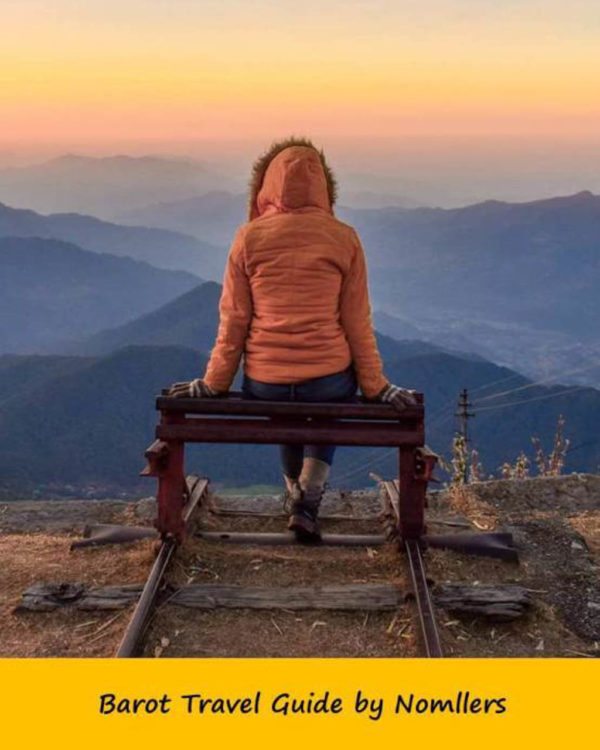
Located in the Mandi district of Himachal Pradesh, Barot Valley is a small, picturesque village nestled beside the pristine Uhl River. If you’re seeking a secluded and less commercialised hill station in India, then Barot, Himachal Pradesh, offers the perfect mountain retreat. This hidden gem in Barot, Himachal, is renowned for its crystal-clear trout fishing waters, exceptional trekking opportunities, and serene camping experiences. Barot Valley has rightfully earned its reputation as a “trekker’s paradise,” offering breathtaking trails that wind through dense forests and alpine meadows. The Barot Valley location provides an ideal base for exploring the unspoiled beauty of Himachal Pradesh’s wilderness. Below is a comprehensive step-by-step guide to both Barot Valley and Winch Camp, destinations that can be perfectly combined in a single trip. This guide includes detailed information about costs, accommodation facilities, and additional trekking destinations you can explore near this magnificent valley. Best Time to Visit Barot Valley Barot Valley is a year-round destination, though each season offers unique experiences. However, it’s advisable to avoid travelling during the monsoon season due to potential landslides, despite the valley being at its most verdant during this time. For Snow Enthusiasts: The Barot Valley’s best time to visit for snow experiences is between November and February, when the entire region transforms into a winter wonderland. Summer in Barot Valley (April-June): The Barot Valley weather during summer is pleasant and mild, making it the most popular tourist season. Temperatures remain comfortable, perfect for outdoor activities and exploring the valley’s natural beauty. Monsoon Season (Mid-July to September): While the valley receives moderate rainfall that enhances its lush green landscape, travellers should exercise caution due to potential landslides on mountain roads. Winter Season (October-February): Barot experiences spectacular snowfall, with December, January, and February offering the most pristine snow-covered landscapes. This is an excellent time for those seeking a winter retreat in the mountains. How to Reach Barot Valley From Delhi to Barot Valley There are no direct transportation options to Barot Valley, requiring at least two transfers during your journey. While bus travel is the most economical option, several alternatives are available for travellers from different regions. By Air: The nearest airport to Barot Valley is Dharamshala Airport (Gaggal Airport), approximately 4 hours away by road. From Dharamshala, you can easily find shared cabs or buses to reach Barot Ghati, Himachal Pradesh. By Road:  Bus Route: The journey requires two transfers following this route: ISBT Kashmiri Gate, Delhi → Mandi Bus Stand → Ghatasni → Barot Valley. Both ordinary and Volvo buses to Mandi are readily available at the ISBT Kashmiri Gate. The journey to Mandi takes approximately 10-12 hours. From Mandi, catch a bus to Ghatasni (the first bus departs around 8 AM, the last bus at 2 PM). From Ghatasni, take another bus to Barot Valley. The total journey time is typically 12-14 hours. While buses from Mandi to Ghatasni run frequently, connections to Barot Valley may require some waiting time. Alternatively, you can hire a shared taxi or hitchhike from Ghatasni to Barot Valley for a quicker journey. By Train: The nearest railway station is Pathankot. It’s recommended to book train tickets well in advance through the IRCTC Website as seats fill up quickly. From Pathankot, there are no direct buses to Barot Valley. You must first reach Palampur, located 114 km away (a 3-4 hour journey). From Palampur, numerous local buses operate to Barot Valley. You can also stop at Bir Billing, explore this renowned paragliding destination, and then continue to Barot Valley. Accommodation Options in Barot Valley Barot Valley Home Stay Options The valley offers numerous authentic accommodation experiences through local families who provide warm hospitality and traditional Himachali cuisine. Homestays in Barot Valley: These family-run establishments offer an intimate glimpse into local culture and lifestyle. Most Barot Valley homestay options include home-cooked meals featuring local specialities and trout preparations. Malhotra Homestay, Barot Valley Riverview Homestay, Barot Valley Best Hotel in Barot Valley: While the valley maintains its rustic charm, several well-appointed hotels and guesthouses provide comfortable accommodations with modern amenities while preserving the area’s natural ambience. The Barot Regency Taj River View Hotel, Barot Barot Valley Stay Options: From budget-friendly guesthouses to mid-range hotels, the valley caters to various preferences and budgets. Many establishments offer stunning river views and easy access to trekking trails. Lake Paradise Trekker’s Nest Riverside Resort If you are planning to go to Triund, read our guide here. Exploring Winch Camp from Barot Valley The Khooni Ghati Route One of the most adventurous routes to Winch Camp involves trekking through the famous ‘Khooni Ghati’ (Blood Valley). This challenging trail winds through dense forest areas and requires good physical fitness and proper preparation. If you are attempting this route without a guide, the haulage system of Khooni Ghati serves as a reliable directional reference leading up to Headgear Camp. Once you reach Headgear Camp, you’ll find a 3-kilometre horizontal rail track extending to Winch Camp. Alternative Routes to Winch Camp Easier Local Route: Local residents are familiar with a less strenuous path to Winch Camp. This alternative route offers a more gradual ascent with well-defined trekking pathways, making it suitable for trekkers of various skill levels. Joginder Nagar Route: Another viable option begins from Joginder Nagar, offering a different perspective and trekking experience. Guided Trekking: You can hire a local guide who can provide insights into the area’s flora, fauna, and cultural significance while ensuring your safety on the trails. This would not just be informative but also a safe way to trek. Places to Visit in Barot Valley Uhl River The pristine Uhl River flows directly alongside Barot Valley, creating a serene backdrop for your entire stay. You can enjoy your meals at riverside restaurants and cafes, with many Barot Valley homestay establishments offering dining areas with stunning river views. The gentle sound of flowing water provides a natural soundtrack to your mountain retreat. Nargu Wildlife Sanctuary Located across the Uhl River from Barot, Himachal Pradesh, the Nargu Wildlife Sanctuary offers excellent

Place to see Near Manali - Dobhi
Asia, Destination, Himachal Pradesh, India

Dobhi – An Offbeat Place to See Near Manali

When we think of Manali, we mostly think of Rohtang Pass, snow, and mountains covering the entire hill station. But suppose you really want to explore the beauty of the Himalayas. In that case, it’s always best to find an offbeat place to see near Manali for peace and serenity, and there are no limits to such options when it comes to tourist places near Manali. From embarking on a hardcore trek to having a peaceful family vacation near Manali, it has it all. All you need to do is dig deeper and find a perfect spot for yourself. Below, I am giving you the exact details of a place called Dobhi, near Manali, which is perfect if you plan to chill with your family or have a gala time with your friends. This offbeat destination in Himachal is not only beautiful but also very few people know about it, making it one of the most pristine hidden places in the region. From making new friends to having the perfect trip, I had it all. There are times when you meet some people, and there’s a certain click. Arjun from StayOnSkill and Vaibhav from Campostel are such people – they are the ones who aren’t only dedicated to working but also work ethically. You’ll have the best time with their team. When I got to know that StayOnSkill and Campostel were organising the trip in Dobhi, I knew I had to go, and I had such an amazing experience with them. They not only organised everything perfectly but also coordinated with the bloggers in the best possible way. They just did everything for us to have fun. I saw trout fish farms, a hidden waterfall in Dobhi, got to stay in riverside camps, and saw gliders flying right above my head during Dobhi paragliding sessions. Moreover, Camping Kona was the name of the camp we stayed in. I chose this camp thoughtfully so that all of us could interact as much as possible and have fun at the same time. Camping Kona’s hospitality was commendable, with perfect food and an environment to have fun in. They also had a bonfire and music as complimentary during the night, which made the trip even more memorable. Dobhi – A Hidden Gem among the Places to See Near Manali  Dobhi is gorgeous. If you’re looking for places to visit near Manali that aren’t famous amongst tourists while finding picturesque mountains, this is the perfect place for you. Here, you’ll be able to sit by the river stream while discovering so many hidden monasteries, paragliding spots, and lesser-known waterfalls. You’ll find peace and beauty at the same time. This offbeat destination in Himachal Pradesh offers some of the most spectacular Dobhi paragliding experiences in the region. The thermals here are perfect for both beginners and experienced pilots, making it an ideal spot for adventure enthusiasts seeking attractions near Manali that offer adrenaline-pumping activities. The area around Dobhi is also home to several ancient monasteries tucked away in the mountains, making it one of the most spiritually enriching places to see near Manali. These monasteries offer a glimpse into the rich Buddhist heritage of the region and provide a peaceful retreat from the bustling tourist crowds. Naggar – A Royal Heritage Naggar lies at an altitude of 2,047 meters and served as the official seat of kings for centuries. According to legend, Raja Sidh Singh built this castle 500 years ago, using stones for construction. Over the Beas river, he made a human chain of labourers so that the stones could be transferred manually. There was an earthquake in 1905 in which most of the houses were ruined; however, the castle survived the earthquake. In 1978, the castle was converted into a rest house and subsequently a heritage hotel run by HPTDC. Today, Naggar Castle remains one of the most significant tourist places near Manali, Himachal Pradesh, attracting history enthusiasts and architecture lovers alike. The castle now houses an art gallery featuring works of Nicholas Roerich, a Russian artist who lived here for many years. The panoramic views from the castle make it one of the most photogenic places to visit around Manali, especially during sunrise and sunset. Where to Stay in Dobhi? I would really recommend staying in Camping Kona, a gem of a stay among places close to Manali. Not only will you get the camp experience, but from here you can also easily access recreational activities like paragliding, rock climbing, zip lining, and river rafting. Furthermore, the location of the camp is really gorgeous; it’s right next to the river stream, making it one of the most scenic places near Manali. The bathroom is attached to the respective camps. The beds are really comfortable, and they provide clean, hygienic bed sheets. At night, you can enjoy the bonfire and music, which makes the stay so blissful. How heavenly would it feel to sit right beside the river stream and experience warmth and surreal music under the cold night sky? The camp also organises guided treks to nearby waterfalls and offers equipment for Dobhi paragliding adventures. Additional Attractions and Activities For those seeking more offbeat destinations in Himachal Pradesh, the area around Dobhi offers several unexplored trails and viewpoints. The region is perfect for photography enthusiasts, nature lovers, and adventure seekers looking for places to go near Manali that offer authentic Himalayan experiences. The Manali hidden places in this region include secluded meadows, ancient rock formations, and pristine streams that remain untouched by commercial tourism. These spots are perfect for meditation, yoga retreats, or simply unwinding in nature’s lap. As one of the most promising tourist spots near Manali, Dobhi is rapidly gaining recognition among travellers seeking authentic mountain experiences. The offbeat places near Manali continue to offer solitude and natural beauty, making them perfect for those who want to escape the crowds while still enjoying easy accessibility from the main town. Whether you’re looking for places to visit in and near

Scroll to Top