
Discovering the Hidden Gem of Chitkul: A Complete Travel Guide
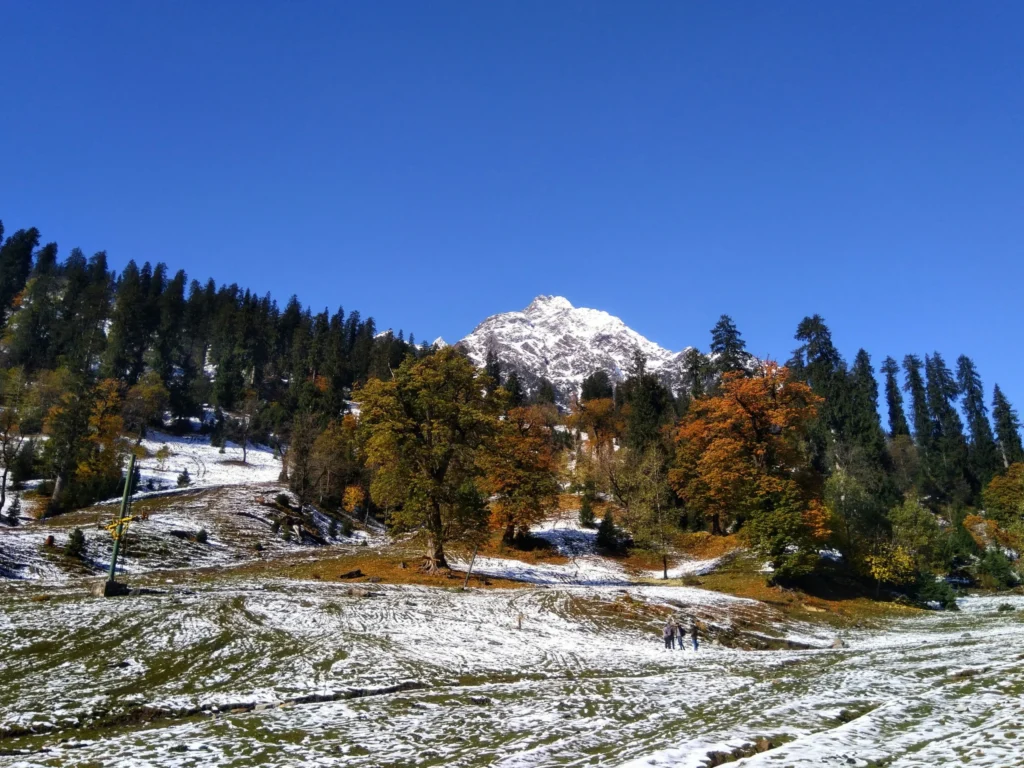
Travelling to Chitkul is like fuel to the soul, you almost need it every once in a while. No matter how many times I visit Chitkul, I feel as if it is still my first. The mountains keep calling me there. Being the last village in the country, the air here is pure, the mountains are vast, the connectivity is non-existent, and it feels as if you are transported to another world altogether. Since I have travelled to Chitkul in both summers and winters, I believe that I have a fair idea of how you can plan your visit to Chitkul in the most efficient way. Below, you will fine details regarding stay, how to plan the trip efficiently, typical cost, as well as ATM and connectivity issues. P.S. Want to learn blogging, Instagram, and YouTube from me? Hire me as your mentor. Check out my Patreon for more details. Chitkul is located in the Kinnaur Valley, in Himachal Pradesh, very close to the Tibet border. From here, travellers usually move to the Spiti Valley. Chitkul’s elevation is 3,450 metres, and it is 580 km from Delhi. It is considered as the last village in India, in the northern side being 90 km away from the Indo-Tibet border. The best time to visit Chitkul depends on what you want to experience, depending on whether you prefer snow-covered landscapes or lush green valleys with a free-flowing Baspa River. This is one of the best times to visit Chitkul, as the weather is cold yet comfortable. Daytime temperatures range between 5°C to 15°C, while nights can be chilly. The Baspa River flows freely, displaying its stunning blue colour. The valley is vibrant, making it a perfect time for outdoor activities, photography, and soaking in the sun. While the landscape turns lush and green, the monsoon season brings occasional landslides, making travel slightly unpredictable. Temperatures remain cool, and the valley looks stunning under the misty clouds. If you enjoy solitude and don’t mind the rain, this can be a great time to visit. However, do check road conditions before planning a trip. The transition from monsoon to winter makes this a beautiful yet underrated time to visit. The weather remains cold, with temperatures dropping to 0°C at night, but the skies are usually clear, offering breathtaking views of the mountains. The golden hues of autumn add to the valley’s charm, making it a great time for photography and exploring without crowds. If you are planning to move to Spiti from Kinnaur, here is the guide – Spiti Travel Guide Winter in Chitkul is extreme, with temperatures plummeting to -20°C or lower. The entire valley is blanketed in snow, and the Baspa River often freezes, creating a surreal white landscape. Most hotels and homestays shut down, and water sources freeze, requiring travellers to rely on bucketed hot water. Despite these challenges, adventure seekers visit during this time to witness Chitkul’s fairy-tale winter scenery. If you plan to visit in winter, ensure you carry heavy winter gear and check for available accommodations in advance. There are several ways you can reach Chitkul. If you are a budget traveller or want to experience the local way of travelling to Chitkul, I would definitely recommend travelling by HRCTC buses whenever you get a chance. To know the routes from Delhi to Reckong Peo, read our guide here – Kinnaur guide While Shimla has a small airport, flights are limited and often expensive. A more practical option is to fly to Delhi or, better, Chandigarh Airport, which offers more frequent flights and better connectivity. From Chandigarh, you can hire a taxi or hop onto a bus to Chitkul. The nearest major railway stations to Chitkul are Chandigarh and Kalka. From either station, you can continue your journey by bus or taxi to Shimla and then onward to Chitkul. However, Shimla too has a railway station, but the trains are quite infrequent and the schedules are not always reliable. Himachal Road Transport Corporation (HRTC) operates buses from Delhi and Chandigarh to Reckong Peo, which is the administrative centre of Kinnaur district. From Reckong Peo, you can board a local bus or taxi to Chitkul. Alternatively, buses from Shimla to Sangla are available, and from Sangla, Chitkul is a short distance away. Take an overnight HRTC bus to Chandigarh from ISBT Kashmiri Gate, Delhi. From Chandigarh, HRTC buses depart for Reckong Peo typically in the evening. Get down at Karcham and take another bus to Chitkul from Karcham. Too complicated, right? An alternate plan can be found in my Kinnaur guide There are many overnight buses from the ISBT Kashmiri Gate of Delhi to Shimla. Reach Shimla by early morning, from where you will get buses to Chitkul directly. There are several buses that leave from Reckong Peo to Chitkul throughout the day. However, make sure to reach the station as early as possible not to miss your bus. If you do, hop on a bus to Karcham and then onwards, board a bus or hitchhike to Chitkul. If you are staying at Sangla, it is quite convenient to take a day trip to Chitkul. Besides, the transportation and accommodation at Sangla are relatively better than Chitkul. Traveling to Kinnaur solo? These tips will help you – Solo travel Tips for India The roads leading to Chitkul, especially beyond Shimla, are known for their challenging terrain, with stretches carved out of rock and featuring sharp, blind turns. While HRTC drivers are experienced in navigating these routes, be prepared for a rugged journey. Before embarking on your trip, I would advise you to check the latest road conditions and bus schedules, as they can change due to weather and other unforeseen factors. Here is a 3 day itinerary for Chitkul for a short weekend trip. Of course, you can tweak it as per your preference and the duration of your stay. Explore Batseri, a small village in Sangla Valley. Here, you can visit the Badrinarayan temple (carved out of