Manali to Leh: Everything You Need to Know
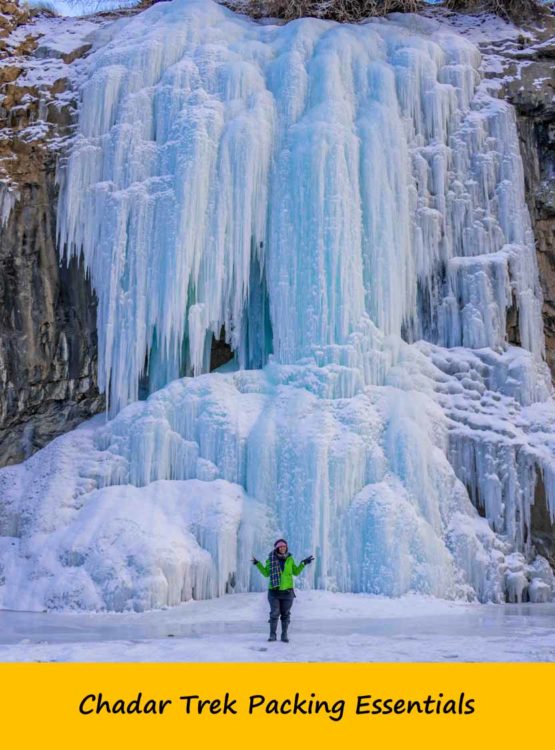
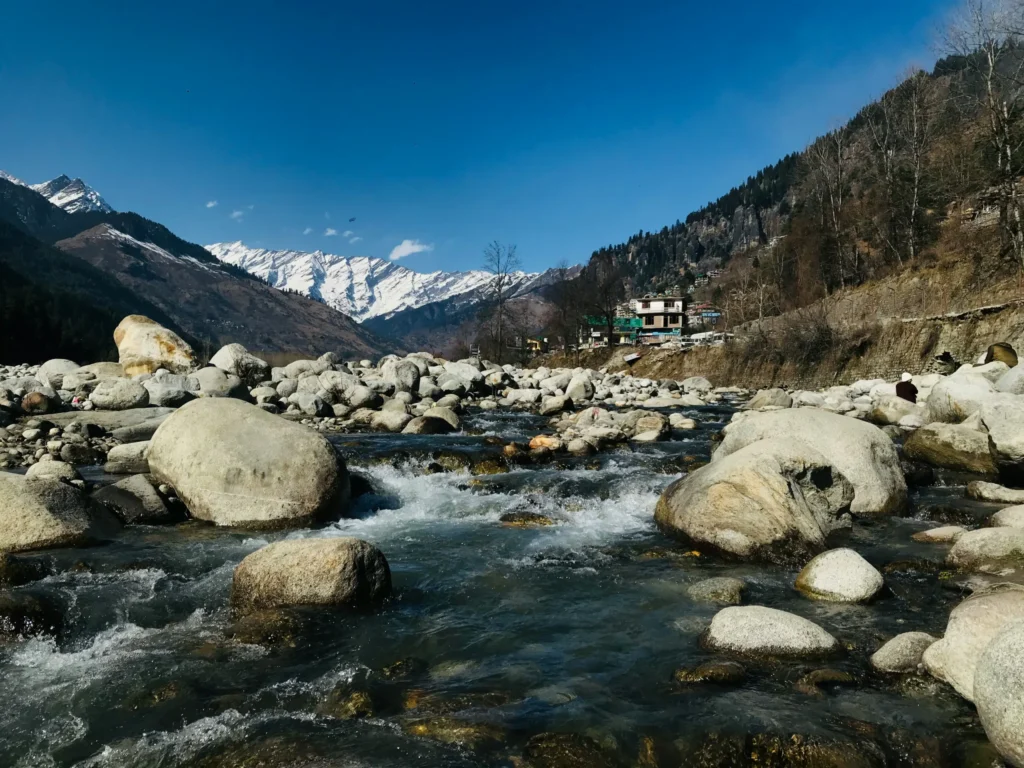
Ah, Leh-Ladakh! Who doesn’t want to want to witness those snow-capped, barren mountains, the mesmerising, cast stretch of land as far as the eyes can see, the clear, blue waters of the stunning lakes and the peace that the monasteries have to offer? Oh yes, we all do. But planning a trip to Leh-Ladakh can be quite a hassle. Whether you are an adventurer or a tourist, you must be spending a lot of time researching of ‘best time to visit Ladakh’ or the ‘best tour packages in Ladakh’ to choose from. Since 2019, Ladakh has been made into a Union Territory. Having been part of the Tibetan kingdom, it is predominantly a Buddhist area, with the culture, food, ethnicity, etc. being very different from mainstream India. In this blog, I will help you plan the best itinerary for Ladakh, based on my experience. The best time to visit Leh Ladakh largely depends on what kind of experience you’re looking for, whether it’s adventure, snow-covered landscapes, vibrant local life, or peaceful solitude. The peak tourist season runs from June to September, and this is widely considered the best time to travel. During these months, the weather is pleasant, with daytime temperatures ranging between 15°C and 25°C, and most importantly, the roads from both Manali and Srinagar to Leh remain open. This is the ideal time for sightseeing, camping by Pangong and Tso Moriri lakes, exploring Nubra Valley, and enjoying bike rides and photography. However, as this is the most popular time, it’s recommended to book accommodation and transport in advance to avoid the tourist rush. If you’re someone who loves snow and fewer crowds, then the winter season from October to February offers a completely different perspective of Ladakh. However, temperatures can drop drastically, even reaching -25°C, and most roads and tourist accommodations in remote areas like Pangong and Nubra remain closed. Despite the harsh conditions, this is a great time for photographers and those looking for winter treks such as the Chadar Trek on the frozen Zanskar River. I wouldn’t recommend mid-November to March because the Manali–Leh and Srinagar–Leh highways are closed, making flights the only option to reach Leh. The cold is extreme, and infrastructure in remote areas becomes minimal. There are two common routes that travellers follow to reach Leh, which should be your base while exploring Ladakh: one from Manali and another from Srinagar. I am providing a comprehensive Ladakh Itinerary that you can follow, along with a Leh Ladakh map. I will also let you know about local transport, in case you want to explore this hill station at a minimum cost. Manali is chosen for many reasons as the starting point. Travellers find this route very beautiful, along with providing access to bikers to easily rent or hire bikes from Manali. Below is a step-by-step ‘Leh Ladakh Map’ (from Manali to Leh) to help you plan your Ladakh tour a little better – There are daily buses that leave from the ISBT Kashmiri Gate of Delhi to Manali. You need to reach Manali to acclimate your body and get used to the high altitude. You can also take the private buses from Majnu ka Tilla. There are both government-run and private bus options. Bus Duration from Delhi to Manali – 14 hours Distance between Delhi and Manali – approx. 600 KMs Note – Rohtang Pass is closed every Tuesday for maintenance. The major reason for staying in Manali for a day, instead of heading to Leh directly, is to get acclimatised. Moreover, since people from cities are not used to high altitudes and low oxygen, staying in Manali for a day helps. After reaching Manali somewhere around 8 AM, freshen up and start exploring. There are many things you can do, either go to the hidden gems, explore Old Manali, or trek to Jogini Falls. You can also rent bikes from here. The Rohtang Pass, lying on the Manali-Leh route, is so vulnerable that the government keeps changing rules to pass through the Rohtang Pass. NGT enforced the restriction in 2011, and currently, you need to obtain a permit to visit the Pass. Hence, please respect the environment and keep it clean – let us preserve Rohtang Pass with all our small efforts. Vehicle Restrictions: Only 60 petrol and 40 diesel vehicles are allowed daily for tourism purposes. Vehicles older than 10 years are not allowed. Permit Fees: INR 500 Ways to Get the Rohtang Pass Permits Required Documents: Budget Hotel: Apple Field House Homestays: Bon Voyage, Manali Parvat View Luxury Hotel: Span Resort and Spa Boutique Hotel: The Himalayan For backpackers: Zostel Manali, The Hosteller Manali Once you have sorted out your permit, leave for Keylong from Manali. Staying in Keylong, Jispa is essential to get you acclimatised. You attain height from Manali to Leh very quickly, so the slower you go, the better it is. Road Condition – The road up to Rohtang Pass is really smooth, but after Rohtang Pass, the real challenge begins. The road becomes really rugged from here Duration from Manali to Jispa – 5-6 hours The distance between Manali and Jispa – approx. 140 KMs There are two types of bus services running from Manali to Leh – budget and luxury, run by HRTC and HPTDC, respectively. These buses take two days to reach Leh, which means that you have to stop in Keylong for an overnight stay. HPTDC Bus Service This is the luxury bus whose fare is obviously higher than the HRTC bus. However, the best thing about this bus is that your stay in Keylong is included in the fare. Fare of HPTDC Bus – INR 2,900 (including accommodation and 3 times meals); a one-time payment till Leh Timings of HPTDC Bus – The bus leaves at 10 AM from Manali and reaches Keylong by 5 PM. HRTC Bus Service There are several HRTC buses from Manali to Keylong which are budget-friendly. Fare of HRTC Bus – INR 175, approximately Timings of HRTC Bus – The first bus leaves at 4 AM. Following this, there are regular buses to Keylong until 1 PM. Read our