
Travel and Trekking Tips

Holi in Mathura and Vrindavan
Travel and Trekking Tips

10 Powerful Tips for Holi in Mathura & Vrindavan For Women

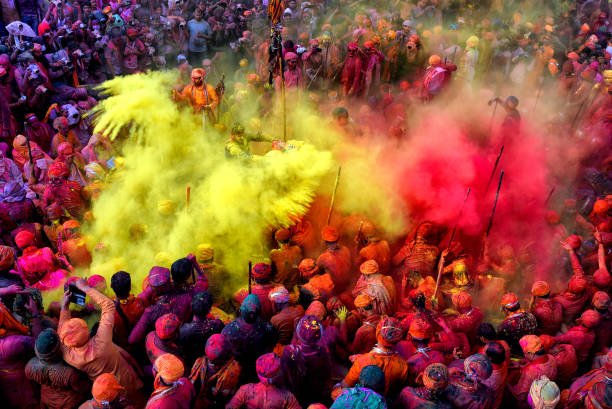
Mathura and Vrindavan are spiritual towns that turn into a riot of colours and energy during Holi. Known as the birthplace of Lord Krishna, this region hosts one of the most vibrant and chaotic celebrations in India. The Holi in Mathura & Vrindavan is a spectacle, filled with colour, devotion, flower showers, music, and unmatched energy. However, it also comes with its fair share of safety concerns, especially for solo women travellers. I was aware that Holi in Mathura might not be entirely safe for obvious reasons, but I wasn’t prepared for the magnitude of concern that surrounded it. As soon as I posted about my travel plans on Instagram, I was flooded with messages and calls from friends and followers, warning me about the risks. Many shared personal or secondhand accounts of how women were groped or harassed amidst the crowds. Still, I decided to go and celebrate the ‘Phoolon Wali Holi’ in Vrindavan, an event where priests shower flower petals in a beautiful spiritual setting. I’ll admit that I was nervous. But to my surprise, I had a pretty good experience. I didn’t face any major issues, though I took some precautions, the biggest being that I disguised myself as a boy, a choice I wasn’t exactly proud of. But it felt like a way to reduce unnecessary attention, and in a place like this, you sometimes do what you must. Now, I’m not saying you have to dress as a man to stay safe. That choice is entirely up to you. But there are definitely other, more empowering and effective ways to enjoy the festival safely. If you’re planning to attend the Holi celebration in Vrindavan and Mathura, especially as a solo female traveller, these practical safety tips for solo female travellers will help you feel confident, secure, and fully in the moment. From choosing what to wear to knowing the best time to visit Mathura for Holi, this guide is for every woman wondering how to enjoy Holi as a woman in Mathura, safely and joyfully. This is a question which is a major concern for females. So here is my take on it. Let me break it down for you based on my own experience, when I travelled both a week before Holi and on the day of Holi (Choti Holi and Holika Dahan). This will help you plan better depending on your comfort level and expectations.–  One Week Before Holi – The Better Option A week before Holi is undoubtedly the best time to visit Mathura for Holi, especially if you’re a woman traveling solo or in a small group. I visited the region with my brother and we had complete flexibility because we were on a bike. This made it super easy to explore Vrindavan, Mathura, Nandgaon, and attend Phoolon Vali Holi, which is a peaceful, flower-filled celebration inside temples. Travel Tip: If you’re coming from a different state or city, the easiest route is to fly or train into Delhi, and then rent a bike or car for a road trip to Mathura-Vrindavan. The roads are narrow, and during Holi week, even more crowded, so bikes are your best bet. Travelling on Holi (The Actual Day) I’ve also visited Vrindavan on the actual day of Holi, and let me tell you – it’s wild. I reached on Choti Holi, and walking around was manageable if you’re alert and aware of your surroundings. Streets are chaotic but navigable on foot. You can also take autos, or pre-book cabs through Ola/Uber, although availability gets tricky the closer it gets to the event. Safety Tip: We stayed at a hotel near the main celebration street and mostly walked to the celebration spots. While the crowds were manageable during the day, by late evening, the streets grew rowdy and uncomfortable. Avoid deserted streets and always stay close to trusted people or groups. Disguise Hacks – If You’re Going Solo and Want to Blend In Yes, I did it. I disguised myself as a boy, and I have no shame in admitting it because it helped me feel safe, blend into the crowd, and enjoy the festival freely. Here are a few tricks and tools I used that helped me move around without attracting attention: Bandana + Mask + Cap I tied up my hair, covered my head with a bandana, my face with a scarf, and topped it off with a cap. From a distance, it’s hard to tell you’re a woman. Bonus: It protects your hair from harsh Holi colours. Chest Binder To flatten the chest area, I wore a chest binder, which I bought online for ₹300. It was safe and breathable. Note: Do not use bandages, as they can harm your tissue and breathing. Oversized T-Shirts Baggy T-shirts helped mask my body shape and prevented clothes from clinging to my body when drenched in water or colour. Denim Pants Under Loose Pyjamas This was one of my best hacks! I wore jeans inside loose pyjamas and kept all my cash and phone in the jeans pockets. With thefts common during Holi, this made sure my essentials were safe, and no one would dare reach into my pyjamas. Selfie Stick Weapon Mode Yes, it sounds funny, but walking around with a selfie stick (minus the phone) gave me a sense of power and space. People were instantly more cautious. I felt like a badass Holi warrior, ready to strike if needed. Pepper Spray This is a must. Easy to use and super effective, pepper spray can disable an attacker with temporary blindness and coughing. It gave me peace of mind even though I didn’t need to use it. Confidence Honestly, the most powerful tool is your attitude. Once I got used to my surroundings, I removed my disguise, and yes, I still received a few uncomfortable stares. But maintaining eye contact, standing tall, and walking confidently made a big difference. Don’t look scared. Look fierce. Holi is one of the most incredible festivals,

Destination, Travel and Trekking Tips

Discover the Best 7 Desert Safaris Around the World

Deserts have been an inseparable part of humans, animals, and plants’ lives ever since the world evolved. While they occupy just one-fifth of the land surface on the Earth, they exist in every part of the world. Be it anywhere in the world, deserts are mysterious, captivating, and a destination to experience adventure and feel the power of nature. But among all the destinations, which are the best desert safaris in the world? This article gives you the details about the top 7 desert safaris you should try out. Whether you want to enjoy the natural beauty of the desert landscape, go for an adventure, or seek peace and calmness, these are the best desert safari locations around the world. UAE offers several locations for an unforgettable desert safari, and Dubai is one of the best. On a Dubai desert safari, you will get to spot amazing animal species native to the desert, such as the Arabian Oryx, sand fox, sand cat, reptiles, and Arabian Gazelle. Feel the rush of excitement and thrill in your body with dune bashing as you glide through the dunes in an SUV. Grab a board and slide down the sand dunes, try quad biking and explore the desert landscape on your own. Visit the camp in the desert and savour a delicious dinner, watch belly dancing, and enjoy the cool and calm atmosphere of the desert.  The best time to enjoy this top-rated desert safari tour worldwide is from November to April. This is one of the must-visit desert safari locations for anyone wondering where to go for a desert safari. The Thar desert is a part of the Great Indian Desert, popular for its golden sand dunes, a wide array of flora and fauna, rocky terrain, and fascinating landscapes. It spans across various cities of India in the northern region, including Jaisalmer, which is one of the best desert safari places in India. Take a camel safari and explore the enchanting desert landscapes that are replete with unique flora and fauna. A beautiful camp is set in the desert that offers royal amenities and hordes of cultural experiences. The best thing about a Jaisalmer desert safari is the chance to witness the enchanting sunrise and sunset. The safari also takes you to the nearby villages where you can interact with the locals, get to know the traditions, customs, and even buy some handicrafts. In the camp, you will watch Rajasthani folk dance and savour delicious Rajasthani cuisine.  The best time to visit is from October to March. This location ranks high among family-friendly desert safari locations and offers one of the best desert safari experiences in the world. The captivating rolling sand dunes, the attractive contrasting colours, and rare desert flora and fauna make a desert safari in Wahiba Sands, Oman, an unforgettable experience. The majestic Wahib Sands are perfect for exploring the steep slopes and drops in a 4×4 vehicle. Along with adventure, the desert safari also offers camel riding for a leisurely experience. In the Bedouin-style camp, you can experience the traditional Omani hospitality, music, and dances. You will love to spend an evening in the Wahib Sands sitting next to a bonfire and watching the gleaming stars. Oman remains one of the best countries for desert safaris, offering unique desert safari experiences globally. The best time to experience this is during the cooler months of October to April, when the temperature ranges between 20°C to 30°C. The Bahariya Desert is a part of the great Sahara Desert in Egypt, which is known for its sandy dunes, rocky terrains, rock formations in the shapes of pillars, mushrooms, and animals, crystal mountains, and more. So, you can experience many different things on a Bahariya desert safari in Egypt, and you will never forget the charming desert. The safari starts from Cairo, and it proceeds through the rocky terrain. You will love to witness the mystical Crystal Mountain and the huge array of wildlife. Experiencing camping in the Bahariya desert is an opportunity to drink in the beauty of the Sahara Desert, enjoy Egyptian hospitality, and explore the mystical desert landscapes that enchant the world. It is one of the most famous desert safari destinations, ideal for wildlife desert safari tours worldwide. Average day temperatures from October to April make desert exploration, camping and hiking more pleasant. With a diverse range of grasslands, scrubland, dry riverbeds, mammals, reptiles, animals, and plant life, the Kalahari Desert is not actually a desert, but still worth visiting. The reason so many living things can be seen here is because of the amount of rain it receives. Visit the Kalahari Desert and witness amazing wildlife, and soak in cultural experiences by spending time with the native tribes who have been living in the area for centuries. You will also enjoy the rolling dunes, dry riverbeds known as pans, and the wilderness of the desert. This is among the bucket list desert adventures around the world, offering one of the most fulfilling desert safaris for adventure lovers. You can actually visit this desert anytime except during the rainy season. The daytime temperature between the months of May to September ranges from 20°C to 27°C, with cooler nights and starry skies.  While most of the desert travel destinations have golden sand dunes, you can witness white sand in the Chihuahuan Desert. Describing the captivating beauty of this desert is not easy. You have to explore it to witness a vast expanse of gypsum sand dunes formed of gypsum crystals due to the geographical changes occurring continuously for centuries. The gypsum sands dunes in the White Sands National Park are the largest gypsum dune field in the world. A Chihuahuan desert safari includes a scenic drive through the white sand dunes, popular trails for hiking, and sliding down the steep slopes, standing on a plastic sledge. The park has a visitor centre where you can learn about the geological and ecological features of the desert.  The best time to

Machu Picchu, Peru. UNESCO World Heritage Site. One of the New Seven Wonders of the World
Destination, Travel and Trekking Tips

How to Visit Machu Picchu, Peru: Planning Guide 2025

Machu Picchu in Peru remains one of the most awe-inspiring destinations on the planet, where history and nature come together in a truly remarkable way. Whether you’re drawn to the mysteries of the ancient Incan civilisation or simply mesmerised by the breathtaking views of the Andes mountains, visiting Machu Picchu, Peru, is an experience that will stay with you forever. Machu Picchu is a 15th-century Inca citadel or fortified town that remains, to date, as one of the greatest icons of the Inca Empire. But to get the most out of your experience, some thoughtful planning goes a long way. Given the site’s limited visitor capacity and its remote location nestled high in the Andes, planning a trip to Machu Picchu requires some preparation. Whether you are travelling solo or with family and friends, this guide will walk you through essential tips to make your visit smooth, enjoyable, and hassle-free. Best Time To Visit: Weather and Crowds Choosing the best time to go to Machu Picchu makes a big difference in how you experience the site. The dry season, which is from May to September, remains the most popular time for travel. You’ll enjoy clear skies and mild temperatures, perfect for hiking and photography. However, this is also the busiest period, so prepare for crowds. If you’re hoping for a quieter experience, April and October are ideal shoulder months. These months still fall outside the rainy season and come with fewer tourists and more flexibility in ticket availability. The best time to go to Machu Picchu also depends on your tolerance for rain, because from November to March, it gets wetter. That said, the early morning mist and fewer crowds give the site a magical, mystical feel. In short, if you’re planning a trip to Machu Picchu, and weather is your top priority, the best time to go to Machu Picchu is between May and early September. If avoiding crowds is more important, April and October offer a great balance. Plan Ahead: Tickets and Timing One of the most important things to prioritise when planning a trip to Machu Picchu is securing your entry tickets well in advance. Since the Peruvian government limits daily visitors to protect this historic archaeological site, Machu Picchu entrance tickets tend to sell out quickly, especially during high season. Booking months ahead is the best bet to ensure entry and avoid any last-minute surprises. In 2025, all visitors must select a specific time slot and circuit when booking their Machu Picchu entrance tickets. There are four circuits designed to manage crowd flow, and each offers a different perspective of the ruins. Be sure to read up on them before choosing the one that suits your interests best. The safest option for booking is still the official Peruvian government website or authorised vendors. This way, you can be sure your ticket is legitimate and even choose from extra activities, like a guided Machu Picchu tour, a hike up Huayna Picchu, or entry to Machu Picchu Mountain; each requiring separate tickets. Also, you must have some patience with the website, as it is in Spanish and tends to break down if you translate it. I would recommend using Google Translate separately on a different device.  However, you can also book your tickets offline at Cusco or Aguas Calientes. At the Machu Picchu Cultural Centre in Aguas Calientes, you can buy the tickets only with cash. So, make sure that you have cash withdrawn from Cusco, or just get your tickets from Cusco.  Getting To Machu Picchu: Your Travel Options  Getting to Machu Picchu is half the adventure and can be adapted to your preferences and budget. Most travellers begin their journey in Cusco, the former capital of the Inca Empire. It is also the tourist capital of Peru. Therefore, you do not have to worry about getting to Cusco (whether by flight or by road), from wherever you are. You can stay in Cusco for a day or two to acclimatise to the elevation before heading towards Aguas Calientes.  From there, one of the most scenic options is the train to Aguas Calientes (also known as Machu Picchu Pueblo), the closest town to the ruins. PeruRail and IncaRail offer various train classes, from budget to luxury, giving you plenty of choice. In 2025, advance booking is more important than ever due to capacity limits during high season. Once you arrive in Aguas Calientes, a 25-minute bus ride takes you up a winding mountain road to the entrance of Machu Picchu, Peru. Buses start running as early as 5:30 AM, and it’s worth catching an early one to enjoy the sunrise if you’ve booked a morning slot. If you are joining a tour group, most tours will include a return journey to Aguas Calientes from Machu Picchu, but it is a better idea to double-check to avoid any surprises. If your tour does not include a return bus ride, make sure to get the ticket.  Alternatively, for the adventurous at heart, consider trekking. The classic Inca Trail is a 4-day hike that requires a separate permit, which also sells out months in advance. There are alternative treks like the Salkantay and Lares routes, which are equally stunning and often less crowded. If you’re booking your journey as part of Peru package tours, make sure it includes transport to and from Aguas Calientes, your guided tour of Machu Picchu, and any add-ons like hikes or entry to additional sites. Understanding the Machu Picchu Circuits This is probably one of the most important things to know if you are planning your trip to Machu Picchu. The Peruvian government continues to enforce a circuit-based system to preserve the sanctity of Machu Picchu, Peru, while improving crowd management. So when you’re planning a trip to Machu Picchu, you’ll need to pick one of the four available circuits while booking your Machu Picchu entrance tickets. Each circuit takes you along a fixed one-way route and offers access to different parts of the

Annapurna Base Camp Trek, Nepal
Asia, Nepal, Travel and Trekking Tips

Annapurna Base Camp Trek in Nepal 2024 — A Comprehensive Guide

“Fill your soul with an adventurous Annapurna Base Camp trek!” Annapurna Base Camp trek is a high altitude hiking route, offering a spectacular experience via multiple environments. The beautiful forests, villages, rivers, terraces, guesthouses, lakeside towns, majestic mountains, glaciers, and snow peaks offer you an incredible sensation and give you a new lease of life.  What makes Annapurna Base Camp trekking in Nepal different from other trekkings? Scroll down and explore amazing facts about this trek! Features of Annapurna Base Camp Trek Itinerary The top-notch attributes of Annapurna Base Camp include: Days – 7-14 days Distance – 80 km/50 mi Total ascent – 4975 m/16 322 ft Highest point – Annapurna Base Camp (4147 m) Total descent – 5040 m/16 535 ft Difficulty  – Moderate  Staring point — Kathmandu, Nepal Ending point — Pokhara, Nepal Permits – TIMS card and Annapurna Sanctuary Permit Accommodation – Guest houses Best season — Late October to November and the start of spring from April to May Annapurna Base Camp Trek 14 Days Itinerary — Complete Detail Annapurna Base Camp trek itinerary consists of almost 14 days, giving you a memorable experience. The detail of this trek include: Day 1: Kathmandu As you arrive in Kathmandu, Nepal on your first day, you will attend a welcome meeting. You can experience Kathmandu’s rich artistic and cultural heritage. Its narrow lanes, small courtyards, shrines and temples, buzzing bazaars, markets, etc. give you an indulgent experience and let you shop everything from bangles to Buddhas to beetroot.  Day 2: Pokhara (7 Hours) Next day, you will leave Kathmandu early in the morning and start your trek to the Nepalese town of Pokhara via private vehicle. Pokhara is known for its snow-capped peaks, letting you relax and forget all your worries. You can also trek to its lake (Phewa & Begnas) via small boat and enjoy international cuisine. Day 3: Nayapul —Ulleri (6 hours, 2080m) After this, you will take a short drive and pass through Nayapul, Birethanti, Bhurungi Khola, and Thikhedhunga, to Ulleri. On the way to this trek, you will explore powerful glaciers, stunning mountain views, peaceful villages, icy rivers, terrace farms, and much more. Day 4: Ghorepani (5 Hours, 2860m) On your 4th day, you will slowly ascend and savor the breathtaking views of Machhapuchhre, Annapurna, rhododendron forest, Hiunchuli snow peaks, wild animals, refreshing rivers, etc. As  you reach Ghorepani, spend your night here. Day 5: Tadapani (8 Hours, 2630m) On that day, your adventurous trek will start. First of all, ascend Poon Hill and witness the sunrise early in the morning on the Himalayas. Continue your adventure until you reach Tadapani. Day 6: Kimrung Khola — Chomrong (5-6 Hours, 2177m) Next, you will descend to Kimrung Khola at the base of Hiunchuli and refresh your mind with delectable pizza and amazing views of Annapurna and Machhapuchhre. Continue your trek to Chomrong and spend your night here. Day 7: Kuldi Ghar — Doban (6 hours, 2670m) From forest to Kuldi Ghar, you will trek to the banks of the Modi River and Doban, experiencing nature’s beauty and pleasant scenery. Day 8: Doban — Machhapuchhre Base Camp (7 Hours, 3700m) From the Himalaya Hotel and narrow valley to Deurali, you will reach a valley near Machhapuchhre Base Camp. On this route, you will see a large overhanging rock i.e. Hinku Cave and a panoramic view of the surrounding mountains. Day 9: Annapurna Base Camp (2.5 Hours, 4130m) Next, you will trek from Machhapuchhre Base Camp to the highest point of your trek i.e. Annapurna Base Camp (ABC). The fantastic view from this ABC will make all your hard work worthwhile. You will spend your night at Annapurna Base Camp. Its sheer beauty and the surrounding snow-capped mountains will make your night unforgettable. Day 10: Bamboo (7.5 Hours, 2335m) Next, you will reach and touch the peaks of Machhapuchchhre, Annapurna 1, 3, & South, Gangapurna, Tent Peak, and Himchuli. Climb down and reach to a serene stopover point i.e. Bamboo.  Day 11: Jhinu Danda (6.5 Hours, 1780m) Continue your descent from Chomrong to Jhinu Danda. Here you will see a hot spring by the Modi Khola and it is a great place for rest. You will also explore Bamboo, rhododendron, and oak forests, making your life pleasant.  Day 12: Landruk —Tolkha — Pothana (7 Hours, 1890m) Next, refresh your mind with the mesmerizing beauty of rivers and continue your trek to Landruk, Tolkha, Deurali, and Pothana.  Day 13: Phedi — Pokhara (3 Hours) This is the last day of your trekking and you will reach Phedi from Pothana. After lunch, you will reach Pokhara with a short drive of 45 minutes. Check into your hotel, enjoy your day with your favorite food like cocktails, cold beer, etc., and spend your night here. Day 14: Pokhara/Back to Home You can relax and enjoy a free day in Pokhara. However, if you do not want to explore Pokhara, you can fly back to your home at any time with lifelong memories. The Verdict Annapurna Base Camp trek gives you a memorable experience and leaves a long-lasting impression on your life. During this trek, you will be able to explore authentic Nepalese food, various fauna and flora, villages, farmland, scenic landscapes, mountains, and much more. The welcome & farewell dinners, teahouses, and other accommodations make your trekking more enjoyable.  So, why wait? Take this trek right now!

Scroll to Top