
Offbeat Travel

Static caravan holiday homes
Travel and Trekking Tips

8 Perks of Buying Static Caravans for Sale on Site

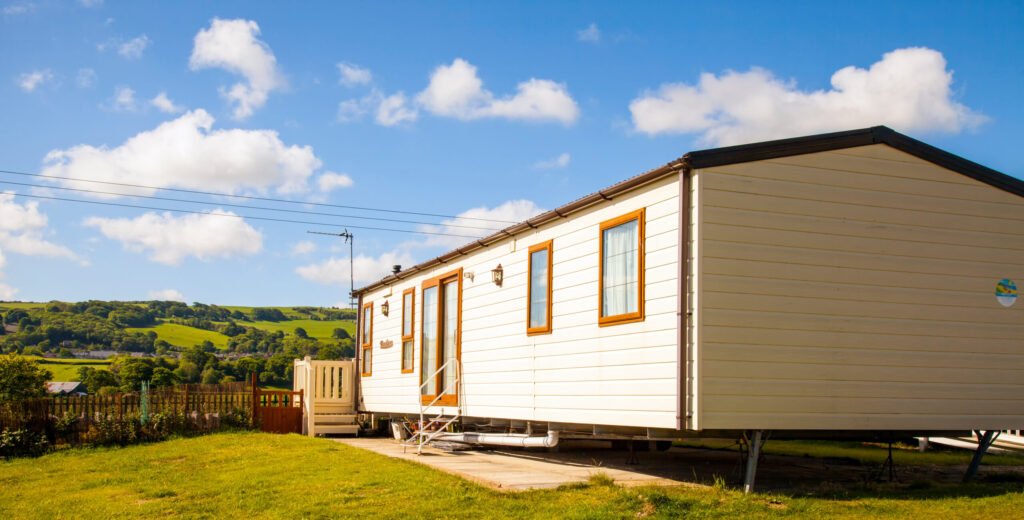
Buying a holiday home involves more than simply choosing a structure. It is about having a base where travel plans turn into real stays without needing constant setup. Static caravans meet that need because they remain in a chosen park while offering the comfort of a compact home. Many buyers are looking at holiday homes because the format combines affordability with convenience. The following eight perks explain why purchasing a static caravan on-site makes sense for people who want stability and comfort at their chosen park. Immediate Access and Convenience One major advantage of choosing static caravans for sale on site is the instant access after purchase. The caravan is already placed on a pitch within the park, which removes the effort of arranging transport or relocation at the start. You can step into the unit after completing the paperwork and begin using it almost immediately. It’s a practical approach for families or individuals who prefer a ready-to-use option over arranging an off-site static caravan and moving it later. Clear Costs and Transparent Site Fees Parks that sell caravans directly often display all expenses up front, including site fees. This clarity helps potential owners plan their budget without hidden charges. People can compare annual running costs between parks and see exactly what is included, such as water, security, and amenities. That level of transparency makes it easier to assess long-term affordability and avoid unexpected expenses. Comfort Features Similar to a Small Home Modern on-site static caravans often include fittings that make long stays comfortable. Heating systems, such as central heating, keep the interior warm during colder months, while layouts often include spacious kitchens and living areas. Buyers can enjoy a familiar domestic setting inside a leisure environment, which is especially helpful for extended stays or off-season visits. Wide Range of Ownership Options Many parks offering on-site caravans provide several ways to finance a purchase. Flexible finance options make ownership accessible to different budgets, which can help new buyers start with a manageable plan. Some even combine introductory offers with after-sales support,giving buyers a smoother path to ownership. This variety allows people to match their purchase method to their circumstances without pressure. Build Quality and Energy Efficiency Caravans available directly through parks often come with features that improve durability and comfort. For example, double glazing helps maintain a steady indoor temperature and reduce outside noise. Combined with good insulation, this raises energy efficiency, which can reduce ongoing costs. Many newer models also carry improved safety standards and modern materials that increase their lifespan. Easier Upgrades and Trading Opportunities Owners who buy on-site often gain access to programs that support upgrading over time. Some parks work with a static trader or run in-house schemes that let you trade in your current unit for a newer model. This process can be simpler than arranging a private resale because the park manages much of the paperwork. It gives buyers a path to keep their accommodation up to date without starting from scratch. Variety Across New, Used, and Private Sales On-site sales usually cover different categories of caravans. Parks may offer brand-new units, used static caravans, or even second hand models coming from other owners. Some locations allow private sale caravans inside the park, which can create attractive price points for buyers looking for alternatives to new builds. This diversity increases the chance of finding a unit that fits your needs and budget. Location Benefits and Support Services Choosing an on-site purchase also means securing a pitch in a setting that matches your preferences. Many parks highlight scenic spots such as lakesides or a hillside view, creating appeal through all four seasons. They also manage the practical side of setup. Siting availability is handled by the park, and a delivery team often coordinates positioning and installation for you. Buyers can ask for expert advice about layout or regulations, take a free consultation to plan their purchase, and get ongoing guidance about caravan ownership rules. Conclusion Static caravans sold directly on-site combine convenience, comfort, and straightforward costs. They provide ready placement, transparent fees, and features such as central heating or double glazing that make extended stays pleasant. Flexible finance options and trade-in schemes help owners keep their unit current, while a range of new and used models expands choice. Parks offering these sales often back them with expert advice, free consultations, and delivery teams to manage siting, which strengthens customer satisfaction. For anyone considering mobile accommodation, purchasing through an on-site program offers a grounded way to secure a personal space in a favorite location without the complications of relocation.

Key Monastery, Spiti
Asia, Destination, Himachal Pradesh, India

10 Days in Spiti: How to Travel to the Cold Dessert?

Spiti is also known as the “Middle Land,” as it lies between Tibet and India! It is the most beautiful hill station I have visited, yet. The picturesque landscapes seem like something out of a painting. With monasteries adorning this valley and mountains stretching up to as far as the eye can see, Spiti is a place every Indian would like to visit, once in their lifetime and for good reason! Located in Himachal Pradesh, Spiti Valley is a cold desert mountain valley that offers surreal views and raw Himalayan beauty. Below you will find how you can explore Spiti in 10 days, along with routes, bus timings, itinerary, cost-cutting tips, and stay options. Also, if you are planning to explore Kinnaur along with Spiti, read my detailed guide – Kinnaur Travel Guide Spiti looks stunning throughout the year, and each season offers a completely different experience. Ideally, you’d want to visit it more than once to truly witness its changing moods, from spring to deep winter. If you’re drawn to greenery, blooming wildflowers, and clear skies, the best time to visit is between June and August. The valley comes alive with bursts of colour, and the roads are mostly open, making it easier to explore. On the other hand, if you’re after the raw, rugged beauty of “Winter Spiti”, the months from December to March are perfect. Expect snow-covered villages, frozen rivers, and the chance to experience Spiti’s remote charm at its most untouched. Be prepared, though — winters in Spiti are harsh, with temperatures often dropping below -20°C, limited homestay availability, and only the Shimla-Reckong Peo-Kaza route remains open (the Manali route stays closed). Note: Women get a 25% discount on local public transport in Himachal Pradesh To reach Spiti Valley from Delhi, you must reach Kinnaur district in Himachal. I took an overnight HRTC or Himachal Road Transport Corporation bus from Delhi to Chandigarh. It gave me a chance to explore the little corners of Chandigarh until I boarded my bus to Reckong Peo.  From Chandigarh, you can get a deluxe bus that leaves in the evening at 5:50 PM, 6 PM, and 7 PM. Alternatively, you can also take a bus directly from Delhi at 8 PM to Reckong Peo. The price of the direct bus to Reckong Peo is about INR 1000 and takes almost 19 hours to reach. Once you reach Reckong Peo, there are many things you can do, even in a day.  Planning to explore Reckong Peo?  Read our guide here – Kinnaur Travel Guide Also Read – Chitkul Travel Guide Local Buses There are two buses that leave from Reckong Peo to Nako – 7:00 AM and 1:00 PM. The best would be to take the 7:00 AM bus, as you will have more time to explore Nako when you arrive and experience the golden hour (sunset).​ Also, make sure to buy the tickets as early as possible (preferably the previous day or whenever the counter opens). This is because the travellers who are travelling from Shimla buy tickets while coming from Shimla. And, if you do not buy the tickets in advance, you will be able to board the bus nonetheless, but you will be deprived of a seat for the entire journey of 4 hours.​ It takes about four to five hours to reach Nako from Reckong Peo and costs approximately INR 160 per person.​ The bus stops only once in between for breakfast for around 20 minutes. There will be many dhabas and restaurants to choose from, and all of them serve decent food.​ Shared Cabs/Taxis If you would prefer to take a taxi, you can opt for a shared taxi, which would be either a Bolero or a Sumo or a similar vehicle, leaving for Nako every morning. It will cost you more than a bus and yet, is a cheaper option, ranging from ₹300 – ₹500 per person. With fewer stops than a bus, the taxi will reach Nako faster. You can board one directly from the Reckong Peo taxi stand, early in the morning.  Other Options The other option would be to book a private cab, which will cost you around ₹3000 – ₹3,500 or rent a self-drive car or a motorcycle, if you would like to ride by yourself. However, make sure that you are confident enough to drive in these terrains as they are quite prone to landslides. I stayed at Hotel Zambala, as it gave me a wonderful view of the lake from my room. They have the option to have a bonfire at night, where you can sit beside the lake and enjoy the warmth.  Nako is a part of Kinnaur district; however, since the village lies in a sensitive restricted region that lies along the Tibet border, it is one of the lesser-explored places. Also, only BSNL works here, and I would suggest you download offline maps along with the necessary information, as internet connectivity is quite unreliable. ​ Bonus: Hidden Gems I did not explore these places due to a lack of time, but if you have some, do explore these least-explored places:​ Local buses There are two buses which leave from Nako, each with its own perks.  It will take approximately 2 to 2.5 hours through the beautiful valley of Spiti, where you can see the steep valley below along with the gorgeous Spiti River running amidst it. The fare is about INR 80 per person.​ The bus stops once in between for lunch for around 20 minutes, where you can drink tea and chill for a while. Also, the BSNL signal is available at this place.​ Other Options: The other options are to hitchhike, take a shared cab/taxi or hire a private cab. A private cab would, of course, cost you the most but give you more flexibility. Alternatively, you can also rent a self-driving car or a motorcycle.  I stayed in a common room of the monastery. Not only is it cheap, but very serene and peaceful, too. The bathrooms aren’t

Visit places in Offbeat Vietnam
Asia, Vietnam

Experience the Best of Vietnam: A 10-Day Backpacking Itinerary

In recent years, Vietnam has become a hotspot, especially for Indian tourists and with good reason. If it is your first time in Southeast Asia, there is no way you should miss a trip to Vietnam. From its fascinating temples to charming old towns, the limestone karst islands and rice paddies, a 10-day tour in Vietnam can give you a glimpse of the rich heritage and culture of this country. Of course, you would need more time to explore a country thoroughly, to explore every corner leisurely and travel slowly, but if you are short on time, I recommend staying in Vietnam for at least 10 days. Here, I have curated a Vietnam Tour for a 10-day Itinerary for you, based on my experience. First things first: Visa As an Indian citizen, you do need a Visa to enter Vietnam. You may apply for an E-Visa, depending on your stay, and the processing time takes about 5-6 days. However, I recommend you to have at least 7-10 days as a buffer to be on the safe side. Pro tip: I would suggest you travel from the South to the North of Vietnam, as the northern part has undulating, lush green landscapes and will not let you down when it comes to scenic beauty. The southern part is cultural and has more city life than the north. Therefore, if you are trying to find solace, I would recommend you to move from the south to the north so you don’t feel too underwhelmed. 10-Day Offbeat Vietnam Itinerary Day 1: Land in Ho Chi Minh City Pro Tip: Always carry your ID with you and try to negotiate with them while you are renting. Other places to visit: The Cha Tam Church, Ben Thanh Market and the Museum of War Remnants, Mekong Delta. Note: The Mekong Delta is formed through a network of tributaries of the Mekong River and gives an insightful glimpse into the agricultural life of Vietnamese people. You can take a day tour from Ho Chi Minh to the Mekong Delta to visit the famous floating markets. Day 2: Take a flight to Da Nang & go to Hoi An Click here to get the link to the accommodation I stayed in. View this post on Instagram A post shared by Radhika Nomllers (@radhika_nomllers) Note: Make sure that you are travelling there on a clear weather day to get the best view. In my honest opinion, I did not like the Golden Bridge much and found it quite underwhelming. We took a combo package of the Golden Bridge, cable car, a few rides and a lunch buffet.  Day 4: Day trip to Hue & going to Dong Hoi View this post on Instagram A post shared by Radhika Nomllers (@radhika_nomllers) Pro tip: If you reach Dong Hoi by the evening, try out this cosy café called Tree Hugger. My accommodation was here.: Rex Quang Binh Day 5: Exploring the Phong Nha National Park Day 6: Towards Hanoi My accommodation recommendation: It is fairly easy to book accommodation through Airbnb in Hanoi. I stayed in a very cute one, the link to which I am attaching here. Another one of my recommendations would be this. I have stayed at both of these places and loved them. The B&Bs are affordable, and the hosts are very helpful. Cafes you should try in Hanoi: The Note Café, and Egg Coffee. Places to see in Hanoi: Hanoi is charming with its bustling city life in Northern Vietnam and a certain pull to the culture. In 1010, the city was named Thang Long or the Soaring Dragon. Although I did not get the chance to explore Hanoi, here are a few places you can go to if you have some time. Day 7: Hanoi to Ninh Binh or Halong Bay on Land View this post on Instagram A post shared by Radhika Nomllers (@radhika_nomllers) Pro tip: Indian food restaurant in Ninh Binh: Aroma. Day 8: Hanoi to Cao Bang View this post on Instagram A post shared by Radhika Nomllers (@radhika_nomllers) Day 9: Me Pja Pass View this post on Instagram A post shared by Radhika Nomllers (@radhika_nomllers) Note: Quite frankly, it was not very easy to find accommodation or a vehicle, and we met with an accident too. Therefore, my recommendation here would be to do this trek with a guide, where your accommodation, transport and safety will be taken care of. Things to Pack My Tips and Tricks Currency Best Time to Visit Vietnam The best time to visit Vietnam depends on your preference and the kind of holiday you want to enjoy. If you are a beach person who just wants to relax by the beach, your best bet would be from November to April. This is also the perfect time to take part in water activities as the water is quite clear. Spring, too, is quite comfortable. The crowd is generally less during this time, and you can have many beaches to yourself. You can also cut down a lot on accommodation during these times. Summers, which include May to July, are not much of a good time to visit Vietnam. Apart from the heat, there are heavy chances of heavy rain in other parts of the country, rendering the water activities not feasible due to very low visibility. Thus, planning your trip around spring or winter is your best bet. If you have followed this itinerary, let me know how you like it in the comments. You can also check my itinerary for Northern Vietnam if you plan a trip and want to explore it well. Feel free to leave your suggestions on what can be added.

Scroll to Top