India

Indian trains booking
India

Booking Trains in India: What You Should Know About Tickets and Travel Status

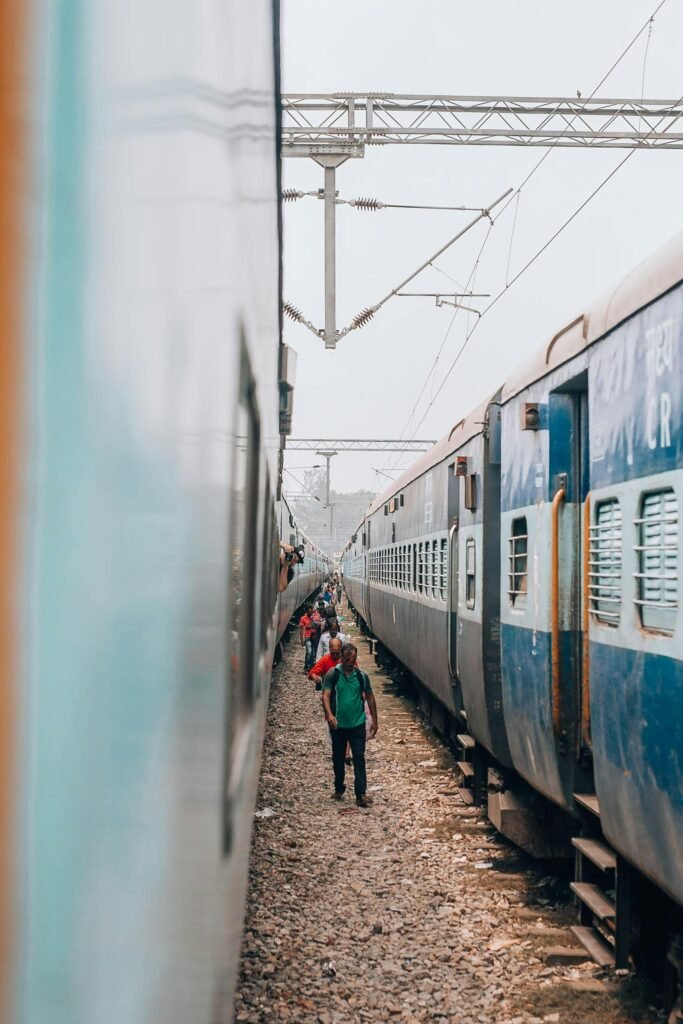
Moving between cities by train remains one of the most used ways of travel in India. Whether it’s a short journey or an overnight route, trains serve as a daily option for many. From early morning departures to late-night arrivals, the network covers nearly every part of the country. After choosing your route and finalising dates, the next step is booking. redBus provides a convenient method to secure train tickets without going to the station. As part of the process, travellers also receive a code known as PNR. This code helps you track the journey status before boarding. The redBus platform allows passengers to book and monitor PNR status through a single account. This makes it easy to know whether your seat is confirmed or still under review. For those relying on trains regularly, keeping track of this can make a difference in how they plan ahead. What Is a PNR and Why Does It Matter A PNR number is issued after a ticket is booked. The full form is Passenger Name Record. This is a 10-digit code that stores data linked to the booking. It includes journey date, seat number, coach, train number, passenger information, and current status. If the seat is confirmed at the time of booking, the PNR status will reflect that. If it isn’t, the ticket is either waitlisted or marked as RAC. Travellers can check the status at any time to see if it has changed. Since train schedules and availability are dynamic, many people check the status multiple times before departure. redBus provides access to this information in a few simple steps. Once you log in and go to the PNR section, you can enter the number and see all current updates. There is no need to visit a counter or call anyone. Booking Train Tickets Online with redBus redBus works directly with IRCTC-approved data and gives users a reliable platform for planning their train trips. The booking process is basic and takes only a few minutes: Steps to book: Once the booking is completed, your ticket appears in the redBus app or site. Along with the ticket, your PNR number will be shown. You can now track the journey status anytime before travel. How to Use PNR Status While Travelling? Every booked train seat carries a status. Not all passengers get a confirmed berth at the time of booking. Due to high demand, many end up with a waitlist. The PNR number allows you to see if that has changed. Tracking PNR status helps in these situations: The best part of RedBus is that it keeps syncing with the railway system. You don’t need to refresh the page or reinstall the app. Once the number is entered, the latest updates will show on the screen. Train Ticket Confirmations Explained: What RAC, WL & PNR Status Really Mean Train seats are booked using a system of quotas and rules. If all confirmed seats are taken, you are placed on a waiting list. If another traveller cancels, your status might move up. That’s why checking the PNR before your trip is important. A confirmed ticket gives you a fixed seat and coach. A RAC ticket gives you access to the train but may involve seat sharing. A waitlist ticket, if not upgraded by the time the chart is prepared, gets cancelled. You cannot board a train with a fully waitlisted ticket. This process follows strict timing. Chart preparation often happens a few hours before the train departs. If your PNR still shows as waitlisted then it means the seat wasn’t confirmed. Booking Early vs Booking Late The closer you get to the travel date, the harder it is to get a confirmed seat. During festival seasons or weekends, demand rises fast. Booking early gives you a better chance of confirmed seats. Using redBus allows you to monitor trains across different times of the day. If one train is full, you can switch to another based on the same route. Tracking multiple PNRs is also possible under the same login. This is useful for family or group travel. You can check all the statuses without logging in and out each time. Extra Tips for Better Train Planning Train travel needs a bit of planning. Once you know how to use the system and keep track of changes, it becomes easy to manage. Tickets and seat status are part of every journey. Using the tools available makes sure you’re ready when the time comes.

Souvenirs to buy from Sikkim
Asia, Destination, India, Sikkim

11 Unmissable Souvenirs to Buy From Sikkim

From handmade woollen carpets renowned for their durability and stunning traditional designs to exotic Temi Tea, the things to buy from Sikkim reflect a cultural tapestry unlike anywhere else in India. Walking through Gangtok’s markets, I discovered that shopping in this Himalayan state goes beyond typical souvenirs; it’s an exploration of rich cultural heritage and artistic traditions. Unlike other shopping destinations, Sikkim offers authentic treasures that showcase a blend of Tibetan, Nepalese, and indigenous influences. However, this makes it challenging to determine what souvenirs hold the most value. In this guide, I’ll share the best hidden gems worth bringing home from your Sikkim adventure. Cultural Keepsakes You Can’t Miss Discovering Sikkim’s spiritual treasures offers a glimpse into centuries-old traditions that few tourists fully appreciate. When seeking authentic things to buy from Sikkim, these cultural artefacts stand out as meaningful keepsakes that carry profound significance beyond mere souvenirs. Prayer flags and their spiritual meaning Among the most vibrant things to buy in Sikkim are the colourful prayer flags (Lung-ta) that adorn monasteries, homes, and mountain passes throughout the region. These rectangular cloth flags come in five colours: blue, white, red, green, and yellow, each representing the five elements: sky, air, fire, water, and earth. What makes these flags special is the belief that as they flutter in the wind, the prayers and mantras printed on them spread positive energy across the landscape.  Tip: For the most authentic options, consider purchasing them at Rumtek Monastery or from the stalls near Enchey Monastery. Thangka paintings: Buddhist art from the Himalayas Thangka paintings rank among the most treasured Sikkim famous things to buy for art enthusiasts. These intricate scroll paintings depict Buddhist deities, mandalas, or important scenes from Buddha’s life. Created using natural mineral pigments on cotton or silk, authentic thangkas require weeks or even months to complete. When shopping in Sikkim for thangkas, prices typically range from ₹ 2,000 for simple designs to over ₹ 50,000 for museum-quality pieces with gold detailing.  The Government Institute of Cottage Industries in Gangtok offers certified, authentic pieces, though MG Marg also houses several reputable dealers.  Traditional masks used in Sikkimese festivals The wooden masks used in Cham dance ceremonies represent some of the most distinctive Sikkim souvenirs available. These hand-carved masks depict various deities and characters from Buddhist mythology, often featuring elaborate designs with bright colours and intimidating expressions. Originally used by monks during religious ceremonies, particularly during the Losar (Tibetan New Year) festival, these masks now serve as powerful decorative pieces.  Tip: Before purchasing any religious item, especially thangkas or masks depicting deities, be sure to ask about proper handling and display protocols as a sign of respect for these culturally significant pieces. Handcrafted Treasures from Local Markets Beyond spiritual artefacts, Sikkim’s markets showcase functional art pieces that bring traditional craftsmanship into everyday living spaces. These handcrafted treasures represent generations of artistic tradition while serving practical purposes in modern homes. Choose tables: Tibetan folding furniture Choksee tables, originating from Tibet, stand out as must-have things to buy from Sikkim for those seeking both beauty and utility. These exquisite folding wooden tables feature elaborate carvings that transform functional furniture into conversation pieces. Craftsmen use local woods like Kath or Tsingh, carefully carving intricate motifs through a meticulous process that involves stencil transfers, drilling, and detailed hand carving. What makes these tables truly special is their collapsible design, which often showcases religious symbols, dragons, snow lions, or nature-themed designs finished in vibrant colours, including blue, green, pink, and gold. Woollen carpets: Handwoven warmth The women of Sikkim’s Bhutia community practice one of the world’s oldest carpet-weaving traditions. When shopping for these carpets in Sikkim, look for distinctive designs featuring dragons holding balls in their mouths, mythical Tibetan birds (such as the dak and jira), stylised floral motifs, or Buddhist iconography. Most carpets still use traditional vegetable dyes and natural materials. Genuine Tibetan carpets typically range from ₹ 3,000 to ₹ 8,000, with prices varying based on complexity and size. Wall hangings and lanterns from MG Marg For affordable yet authentic Sikkim souvenirs, MG Marg offers colourful wall hangings and Tibetan-style lanterns that brighten any space. These decorative pieces feature traditional designs on canvas or paper and start at just ₹100- ₹500. Flavours of Sikkim to Take Home The edible delights of Sikkim represent some of the region’s most prized treasures for travellers seeking authentic things to buy from Sikkim. These culinary gems not only capture the essence of Himalayan flavours but furthermore serve as perfect gifts that continue to evoke memories long after your journey ends. Temi Tea: Sikkim’s organic pride Temi Tea stands as Sikkim’s exclusive tea brand, produced in the state’s only tea garden, established in 1969 and spread across 435 acres. What makes this famous thing to buy from Sikkim exceptional is its distinctive flavour profile, offering delicate floral notes, a golden liquor, and subtle sweetness in its first flush, while the autumn flush delivers well-rounded tastes with hints of warm spices.  Black cardamom and bamboo shoots Sikkim reigns as India’s largest producer of cardamom and the world’s second-largest producer after Guatemala. This aromatic spice, essentially smoke-dried with an intense aroma, brings a distinctive earthy flavour to biryanis and curries. When shopping in Sikkim, consider bringing home bamboo shoots as well, which are a versatile ingredient often paired with the region’s spices in traditional dishes and pickles. Pickles and sauces: Dalle chilli and more The traditional pickles and pastes made from these chillies add distinctive zest to meals and come in various preparations, in oil, vinegar, or pure paste. Wearables and Collectables with a Story Sikkim’s wearable treasures tell stories that connect travellers to the region’s rich cultural heritage in ways that other souvenirs simply cannot. Unlike items displayed on shelves, these things to buy from Sikkim become part of your personal expression and daily life. Handwoven jackets and blankets Among the most sought-after Sikkim famous things to buy are authentic woollen jackets handcrafted by local artisans. Made from 100% natural, locally sourced

Triund Travel Guide
Asia, Destination, Himachal Pradesh, India

Triund Trek Guide 2025: Everything You Need to Know

 Located at a height of 10,632 feet, Triund is one of the most popular treks in Himachal Pradesh. It is a magical place that never loses its beauty or charm. This destination offers jaw-dropping views of the Dhauladhar Range on one side and the Kangra Valley on the other. Triund is a hill station that offers stunning views from dusk to dawn, with the ability to leave visitors speechless through its varied panoramic vistas and changing colours throughout the day. But when is the best time to visit? Should you go during winter or summer? Below, you’ll find everything you need to know about visiting this breathtaking place, including a detailed guide from Delhi to Triund, trek costs, and distance information. Triund Trek Update 2025 Current Camping Status:  As of 2025, camping regulations at Triund have been updated. Night camping and staying at Triund is not allowed per the state government’s order, though some sources indicate several tents and guesthouses are available for rent. Additionally, you’ll need to get a permit that costs INR 100 per day for each person, and if you want to camp overnight, it’s INR 550 per camp for two people. But do check current regulations before planning your trip. You can still enjoy a day hike, but overnight camping may be restricted. Furthermore, many shops along the way have been closed, except for Magic View Cafe. Important Things to Remember:  Take sufficient water and food along with you, as facilities are limited.  I recommend this because of the environmental concerns. The meadows have suffered damage due to overcrowding from camping activities. There were permanent camps that destroyed the grass completely. Additionally, excessive trash generation and the transformation of this peaceful site into a commercialised area have impacted the natural serenity. What once had only 2-3 shops has expanded to numerous illegal establishments along with multiple guesthouses. Triund in Summer vs. Winter Having visited this place in both seasons, both offer spectacular views, each with its unique charm. Summer Experience: The evening sun creates a magical, soothing, and peaceful atmosphere. The trek is comparatively easier, and the weather is more comfortable for camping. Winter Experience: Snow transforms the landscape into a wonderland, making everything extremely cold. The hike becomes more challenging due to slippery conditions, but the snow sparkles beautifully when the sun’s rays fall on it. Both seasons have their own appeal, making this trek an evergreen choice regardless of the month and weather. However, avoid visiting during monsoons as the trek, camping experience, and views are all compromised. Additionally, the Milky Way Galaxy, one of Triund’s main attractions, is not visible when the sky is cloudy. Detailed Season Comparison: Trek Difficulty: Summer treks are comparatively easy. During winter, the hike becomes slippery, especially when ice crusts form on the trail. Scenic Views: Winter offers a more dramatic experience with the golden light illuminating the snow-covered landscape, creating an even more beautiful setting. Accommodation: Camping during winter is harsh and difficult as temperatures drop below freezing point. Stargazing: Viewing the Milky Way is more challenging during winter as the Earth’s hemisphere shifts, making the celestial display less dramatic. However, star trails remain beautiful throughout the season. Weather Considerations for 2025: Winter conditions are described as “wintry and serene, with snow covering parts of the trail. Not ideal for casual trekkers; suitable only for experienced trekkers looking for a winter adventure”. Both seasons are perfect for visiting Triund. Your choice depends on your tolerance for harsh weather conditions and whether you want to experience snow. Below, you’ll find comprehensive details regarding Triund trek costs, distance, accommodation options, and a detailed itinerary that can be applied to both seasons. Additional Updates Looking for other hill stations to explore in India? Check this – 54 hill stations we have explored in India Best Time to Travel to Triund December Mid to March: Personally, I would say the best time is during winter, even though the climate is harsh. This is because the winter glow on the snow from the warm sun is mesmerising. The snow-covered landscape creates a magical atmosphere that’s truly unforgettable. April to June: Summer is also a perfect time to visit this place, as the view of the Milky Way is really amazing and clear. The weather is pleasant, making it ideal for camping and stargazing. July to September: Avoid Triund during the monsoon season as the sky is covered with clouds, making the night sky faintly visible. Additionally, if it starts raining while camping, your stay will become difficult. Treks on wet terrain are also challenging and potentially dangerous. Pro Tip: If you want some respite from the crowds, it’s better to plan your trek during weekdays rather than weekends. How to Reach Triund from Delhi By Bus There are overnight buses from Delhi to McLeodganj that take approximately 10-12 hours to reach McLeodganj. HRTC operates 8 buses daily on this route. If you cannot find direct buses to McLeodganj from Delhi, I would advise you to take a bus to Dharamshala first, and from there, you can take another bus or a cab to McLeodganj. The distance between Dharamshala and McLeodganj is just 30 minutes by road. You can also book bus tickets through platforms like AbhiBus, which often provide discount offers, and redBus offers deals with 5-25% discounts on bus tickets. Bus Booking Details: By Train If you’re travelling by train, Pathankot is the nearest railway station to Triund. From Delhi, trains like the Jhelum Express operate daily, leaving New Delhi at night and reaching Pathankot in the morning, with tickets priced at approximately INR 300. From Pathankot station, you can take a direct bus to McLeodganj or Dharamshala: Train Booking: You can book train tickets at irctc.co.in or the official IRCTC mobile app. By Flight The nearest airport to Triund is Kangra Airport (also known as Gaggal Airport), located about 20 km from Dharamshala. Flight fares from New Delhi to Dharamshala start from around INR 2,400, though prices vary based

2 Days in Srinagar
Asia, Destination, India, Jammu & Kashmir

How to Plan 2 Perfect Days in Srinagar?

If you have never been to Srinagar, here’s a disclaimer. This blog will make you want to book your flight. I shall not lie – Srinagar feels like a dream. It is probably one of the most beautiful state capitals. And even though it is a tourist destination, you must visit this place at least once in your lifetime.  Tucked away in the majestic Himalayas, Srinagar is a dreamland of snow-capped peaks, shimmering lakes, and timeless Mughal gardens. Whether you’re drifting along the Dal Lake on a traditional shikara or wandering through the bustling lanes of the old city, there’s magic in every corner. The best places to visit in Srinagar offer a mix of natural beauty, spiritual depth, and cultural charm that’s hard to match. From the iconic Mughal Gardens and houseboats to the tranquil Hazratbal Shrine and the vibrant floating markets, there’s no shortage of places to see in Srinagar that will enchant you. If you want to explore beyond the city, there are also plenty of places to visit near Srinagar, Kashmir, including lush meadows, charming hill towns, and hidden valleys that are just a short drive away. Whether you’re a nature lover, an adventure seeker, or a culture enthusiast, the things to do in Srinagar are sure to make your trip unforgettable. When I reached Srinagar and got out of the shared taxi, a man approached me and asked me to stay in his houseboat. He called me his sister.  I had food along with his family – elder brother, wife, son, and daughter. This was a classic example of how Kashmiris treat tourists with deep respect and warmth.  Here, you will find all the updated details on how to spend two days in Srinagar, including accommodation, budget, itinerary, and the best places to visit in Srinagar. Accommodation Shangri La HouseBoat – 9906629903 There are many accommodation options in Srinagar. You can stay in a hotel or hostel (Zostel has now opened in Srinagar), but I personally prefer staying in a houseboat, especially the Shangri La Houseboat. I haven’t met such a kind family! They truly cared for me like a younger sister, and I am genuinely thankful for it. The rooms, washroom, and amenities are clean and hygienic. They also serve delicious home-cooked food and have a separate dining area where you can enjoy meals while gazing at Dal Lake. Houseboats in Srinagar offer a unique way to experience the culture of Kashmir. Each houseboat is ornately carved and reflects traditional Kashmiri architecture. They are usually moored on the edge of Dal or Nigeen Lake, offering scenic views right from your room. You also get the chance to meet local hosts and understand their way of life. Cost: During the off-season, a room costs INR 1,500, while in the peak season (May and June), it goes up to INR 3,000. Meals (breakfast, lunch, and dinner) are included. Contact: Wahid: 9906629903 | Ajaz: 9831183948 Best Time to Visit Srinagar Srinagar is beautiful year-round, but the best time to visit Srinagar is from April to October when the weather is pleasant and the landscape is lush. Winters are extremely cold, and the Dal Lake often freezes. I visited in September and found it to be the perfect balance – not too cold, and very peaceful. Spring (April to June) brings blooming tulips and almond blossoms, making it one of the most photogenic times of the year. Summer offers clear skies and warm days, perfect for sightseeing. Autumn (September to November) turns the Chinar trees golden and red, adding a magical hue to the city. Winter (December to February) is best for snow lovers and offers a chance to see frozen lakes and snow-covered mountains. Spring is arguably one of the most beautiful times to visit Srinagar. As the snow begins to melt, the valley awakens with colourful flowers and fresh greenery. The world-famous Indira Gandhi Memorial Tulip Garden, Asia’s largest, is in full bloom from late March to mid-April, attracting tourists from across the globe. The Mughal Gardens in Shalimar Bagh, Nishat Bagh, and Chashme Shahi are at their vibrant best, making spring perfect for sightseeing and photography. Average temperature: 10°C to 20°C Summer is considered the peak tourist season in Srinagar. The weather is pleasantly warm and ideal for things to do in Srinagar, like boating on Dal and Nigeen Lakes, exploring old Srinagar city, and taking day trips to places to visit near Srinagar, Kashmir, like Gulmarg, Sonamarg, or Pahalgam.  Average temperature: 15°C to 30°C If you’re a fan of golden hues and crisp air, autumn is one of the best times to visit Srinagar. The Chinar trees turn red and gold, casting a surreal charm over the city. Fewer tourists mean you can explore places to see in Srinagar peacefully, while enjoying lower hotel rates and a more laid-back atmosphere. Average temperature: 10°C to 25°C Winter transforms Srinagar into a snowy wonderland. While the city is cold, it is breathtakingly beautiful, especially when Dal Lake freezes and snow blankets the rooftops and trees. This season is perfect for places to visit near Srinagar, like Gulmarg, which becomes a hub for skiing and snowboarding. Average temperature: -2°C to 8°C How to Reach Srinagar? Reaching Srinagar is quite easy. Here are my recommendations. Since I was based out of Delhi, I am giving you the route from Delhi. If you are coming from other parts of India, you can come via Delhi to take a flight to Srinagar directly.  By Bus By Train The nearest railway station is Jammu. Take a train to Jammu (10-13 hrs), then a shared taxi or JKSRTC bus to Srinagar. By Flight Srinagar Airport is well-connected to all major Indian cities. Book in advance to get fares similar to bus or train travel.  Tip: Arrive early at the airport while departing, as security checks are strict. From Airport to TRC Shared taxis cost INR 100. Airport shuttles from TRC run at 9 AM, 10 AM, and 11 AM and cost

Places to visit in Sikkim
Asia, Destination, India, Sikkim

14 Unmissable Places To Visit in Sikkim for First-Timers

Tucked away quietly at the foothills of the Himalayas, Sikkim is a gorgeous destination that you absolutely cannot miss. Although it is the second smallest state in India, this does not diminish the beauty and charm that radiate from every corner. With so many breathtaking places to visit in Sikkim, you’ll find it hard to leave once your journey ends. This is a place that can make you fall in love with travel all over again. Sikkim bestows kindness, warmth, and vivid colours that can rekindle your zest for life. Many assume that because Sikkim is a small state, there might not be a lot to see. However, that’s far from the truth. Even ten days are not enough to explore all the amazing cities, valleys, and experiences this land has to offer. The diverse attractions in Sikkim promise an unforgettable experience for every kind of traveller. Check out these stunning sightseeing places in Sikkim to enjoy a blissful trip to this magical state. Also Read: Souvenirs to Buy in Sikkim Best Time to Visit Sikkim The best time to visit Sikkim largely depends on what kind of traveller you are and what experiences you’re seeking. However, most travellers agree that the months of spring (March to May) and autumn (October to December) are the best time to visit Sikkim, thanks to their clear skies, mild weather, and stunning natural beauty. During spring, the entire state comes alive with blooming rhododendrons, magnolias, and wildflowers, transforming the hills into vibrant landscapes. April, in particular, is considered the best month to visit Sikkim, as it offers a perfect blend of cool weather and colourful scenery, making it ideal for nature lovers and photographers. Autumn, on the other hand, provides crystal-clear views of the Himalayas, making it a great time for treks and road trips. This season also marks the festive period in Sikkim, when you can witness cultural celebrations and explore attractions in Sikkim without the summer crowds. If you’re planning to explore the sightseeing places in Sikkim, such as Tsomgo Lake, Yumthang Valley, or the monasteries in Gangtok and Pelling, these seasons offer the most favourable conditions. Whether you’re chasing snow-capped peaks, blooming valleys, or peaceful retreats, spring and autumn offer the best of Sikkim tourism. If you are looking for an offbeat experience, the monsoon (June to September) and winter (late December to February) also have their own charm, but be prepared for landslides or road closures in remote areas. I wouldn’t really suggest the monsoon season.  So, whether you’re mapping out a cultural escape or an adventure-filled holiday, planning your trip around the best time to visit Sikkim will help you make the most of this Himalayan paradise. Gangtok, North Sikkim The capital of this scenic northeastern state, Gangtok, is one of the cleanest hill stations in India and undoubtedly one of the top places to visit in Sikkim. It is also one of the most popular Sikkim tourist places, known for its vibrant culture and rich Buddhist influence. Gangtok serves as the gateway to many offbeat trails and high-altitude excursions, making it central to Sikkim tourism. Don’t miss walking down MG Marg, a clean, no-traffic zone ideal for shopping and food. As the sun sets, this street comes alive under golden lights, adding a magical touch. You’ll also get to taste authentic Sikkimese cuisine here, making Gangtok not just a visual treat but a culinary one too. Additionally, the city is the base for visiting Tsomgo Lake and Nathula Pass and heading deeper into North Sikkim. Gangtok should top your list of places to visit in Gangtok for a complete experience. To know more about how to travel in and around Gangtok, read our North West Sikkim Guide. Lingdum Monastery (Ranka Monastery) Often overlooked, Lingdum Monastery is among the most peaceful places to visit in Sikkim. Since it’s not included in standard tour packages, many tourists miss it, but it’s truly worth a visit. If you’re curious about the daily lives of monks and want to immerse yourself in Buddhist culture, this is the perfect place. The chants, mountain views, and serene surroundings make this a gem among Sikkim tourist places. Ban Jhakri Falls Located within the Ban Jhakri Eco Park, these waterfalls are one of the most photogenic attractions in Sikkim. Although the setting is slightly curated compared to natural spots like Kanchenjunga Falls, Ban Jhakri is still a delight. You’ll find food stalls and souvenir shops nearby, and you can even dress up in traditional Sikkimese attire for a fun photoshoot. If you’re compiling a list of Sikkim places to see, this one’s a must. Tip Top Viewpoint (Tashi Viewpoint) This viewpoint offers a sweeping view of the surrounding mountains and is among the best places to visit in Sikkim, especially in Gangtok. Despite the freezing wind, a warm cup of coffee while watching the horizon here feels truly rewarding. If you’re crafting a travel plan of places to visit in Gangtok, Tashi Viewpoint is a stunning spot for sunrise photography and nature appreciation. Where to Stay in Gangtok? You can also browse more accommodation options using platforms like Booking.com. Rumtek Monastery, North Sikkim Located around 22 km from Gangtok, Rumtek Monastery is a key highlight of Sikkim tourism. It’s the largest monastery in the state and is perched at an altitude of approximately 5000 feet. This monastery is not just an architectural marvel but a centre for learning and spirituality. The panoramic view of Gangtok from its terrace is breathtaking. For those interested in culture and heritage, this is one of the top sightseeing places in Sikkim. Home to the Lepcha community, Dzongu Valley is one of the most peaceful places to visit in Sikkim. The area is surrounded by rivers and forests and offers spectacular views of the Kanchenjunga range. With traditional wooden homes, bamboo crafts, and lush greenery, this offbeat destination gives you a taste of local life. Since it is located around 20–25 km from Mangan, a special permit is required

Solo female travel tips
Asia, Destination, India, Sikkim, Travel and Trekking Tips

9 Essential Solo Female Travel Tips in India

A few years back, when I used to listen to other travellers’ stories about how they had a solo female travel experience in India, I always wondered how they weren’t intimidated by solo travel in India. How weren’t they scared of the unknown, the people, unfamiliar areas, and the world in general? I also used to wonder whether travelling alone in India could even be a fun experience. Someone like me, who has (or had) claustrophobia, never really thought of attempting a solo trip in India. But I love to travel, and I don’t like to rely on people for my trips. I really wanted to see Sikkim, but I had no one to accompany me. So the rebel in me took the plunge for my happiness when I wanted to see the unknown. I booked the plane tickets and stepped out to test my capabilities of taking care of myself. Trust me when I say this was one of the most fruitful experiences of my life that I will always cherish. It taught me so much and gave me endless memories. So here I am, sharing a bit of my experience and how I overcame the fear of travelling alone. It helped me immensely, and I’m sure it will help you just as much. Read along to discover nine solo travel tips for exploring India independently. About the Trip I went to Sikkim alone for a duration of five days, and I realised it wasn’t as difficult as I thought it would be. This experience convinced me that Sikkim is truly one of the best places in India to travel solo, especially for first-time solo travellers. I also covered Zuluk, and if you wish to add that place to your bucket list, read my guide on Zuluk here – Zuluk Travel Guide. Sikkim will always be close to my heart because it helped me to let go of my insecurities and fears. It helped me to overcome claustrophobia. Moreover, it taught me that you will always find good people on the road who will reach out to help you. You will start loving yourself a bit more. You will gain immense confidence. And apart from all of this, you will happily be in a place unknown amidst a crowd of friendly people. Don’t get me wrong, I was sceptical at first, especially when you don’t get much leverage since women’s safety is a critical issue, and when you hardly get permission from your parents. Solo female travel in India requires extra planning and awareness, but it’s achievable and rewarding. Since I was claustrophobic, staying alone in a dimly lit room was also a challenge for me. That’s when I realised how easy it is to trick your brain. And how can you do that? Befriend it, start talking to it, mumble to yourself, and maybe, when no one is looking, jump in the middle of the road and record yourself as you would do with your best friends. Also Read – Travel Guide of East Sikkim Best Solo Travel Destinations in India for 2025 Based on my experience and current trends, here are some of the best solo travel destinations in India that have become increasingly popular: Mountain Destinations Cultural Hubs Be Alert This is a no-brainer, but honestly, this is the most crucial aspect too. Trust your instincts. Notice your surroundings before stepping anywhere. This will not only help you gain confidence but will also help you understand how to behave in a particular place and where exactly you should be extra cautious. If you think you don’t feel safe somewhere, walk away from that place. Notice the people around you. In travelling, it’s all about observing and understanding how people are through your instincts, and if you find something suspicious, just walk away. Instincts and vibes play a very crucial role in solo travel in India. Stay Confident Staying confident is the key. If you walk around like you have a purpose, like you know what you’re doing, no one will approach you with wrong motives. In fact, you’ll also feel like you belong there. Act like you know what you’re doing and that you know a lot about the place. Walk like you’re not a newcomer. This will also make you feel at ease. Furthermore, it will give you the courage to go ahead and talk to strangers, which will help you feel at home. It made me feel at home in Sikkim because of this, and I’m glad about it. Gather Intel What I usually do when I travel alone in India is to ask about a particular place to as many people as possible. I might go to a Tourism board, then also to my hotel manager, and then maybe to a local shopkeeper as well. I will ask the same thing to as many people as possible. For instance, if you ask a travel question to a stranger, and the same answer is given to you by ten others, you know that it is the right thing to do. You will know that a particular stranger is not fooling you. Inform Someone Earlier, when my parents weren’t aware of my solo travels, I used to give my itinerary and share my travel plans with a close friend. I would tell them my whereabouts and give them the details of the hotel I was staying in. If I thought something wasn’t right, I would give them a call to inform them. Basically, they became my travel book, away from me, someone who knew the ins and outs of my whereabouts. This helped them trace and assist me if anything went wrong, which hardly ever does, though.  I did the same in Meghalaya during my solo trip and had an amazing time! Don’t Resist Well, there can be a few cases of bad luck, right? What I’m trying to say here is, if someone tries to steal things from you, don’t resist. After all,

Ultimate Solo Trip Itinerary to Meghalaya
Asia, Destination, India, Meghalaya

4-Day Ultimate Itinerary for Meghalaya

Meghalaya, also known as Cloud Home, is divided into seven major districts – East Garo Hills, East Khasi Hills, Jaintia Hills, Ri-Bhoi, South Garo Hills, West Garo Hills, and the West Khasi Hills. If you are planning to visit Meghalaya, then you should know that this is a peaceful state and is not commercialised. Why? Well, for most of history, it has remained cut off from India due to ethnic problems. But what entices travellers to come and see here is the mass of green found everywhere where you set your eyes. It is known to be the world’s wettest region and is also the home to the famous Living Root Bridges. This travel guide will help you plan your trip to Meghalaya in the most accommodating way, especially if you’re on a Meghalaya solo trip or planning a Meghalaya budget trip. I travelled solo here, and if you are fretting over how safe the place is, rest assured, there is nothing to worry about. This state will make you feel at home, and you would wish that only if you could stay here forever. For those considering a solo female trip to Meghalaya, the locals are helpful, crime rates are low, and homestays are often family-run, adding a layer of warmth and safety to your journey. How to Reach? Now you can take a direct flight to Shillong (the capital of Meghalaya). But the flights are way expensive if compared to the Guwahati ones. To cut costs, I would suggest you reach Guwahati first and then drive to Shillong. More on it below. Reach Guwahati first Flights Shillong has a small airport at Umroi, but there are few direct flights to Shillong. You will also notice that the flights are quite costly due to the low frequency. So, instead of checking for Shillong flights, you should check for the Guwahati flights, as it will be more economical for you. Trains The nearest railway station to Meghalaya is Guwahati Railway Station. You can check the train timings and cost for trains on www.irctc.co.in with respect to the state you are coming from. Reach Shillong It takes about 2-3 hours to reach Shillong from Guwahati Airport. Below, I will talk about both public services and scooter options for your trip. Scooty The distance between Guwahati and Shillong is about 100 KMs, so you can easily rent a bike (which I did) and drive to Shillong. The highway is breathtakingly gorgeous, so trust me, you won’t regret it. You can rent bikes from Guwahati as well as from Shillong at an economical price. There are many websites and stores that cater for this business. Bus Below, I am giving information on both the routes to Shillong’s main bazaar – police bazaar, from Shillong airport and Guwahati airport. From Guwahati Airport Shared cabs are available right outside the airport, connecting to Shillong. It costs about INR 300 per passenger from Guwahati Airport to Shillong’s Police Bazaar, from where you can get a ride to almost any part of Shillong. Airport transfer services cost about INR 250 and leave the airport at 2:00 PM and 4:00 PM. Tickets are available at the Tourist Information Centre, Police Bazaar and Meghalaya Tourism Information Centre, Guwahati Airport. Note: From Shillong to Guwahati airport, the bus leaves at 6.30 AM and the other one at 9.00 AM From Guwahati Railway Station If you are travelling by train, you can get a taxi from Kamakhya Railway Station itself or go to Paltan Bazaar instead. The cost from Paltan Bazaar is INR 170. Taxis run frequently from here, and you can book a seat for yourself right there. From Umroi or Shillong Airport Umroi airport is 35 kms from Shillong. There are regular services of buses and shared cabs from the Umroi airport. You can also find the MTC bus service, which is a 28-seater bus which costs about INR 100 and runs on every Tuesday, Thursday and Saturday. You do not have to worry about the timings of these buses. They depart from Umroi after every arrival of the flight from Kolkata. Note: From Shillong, the bus leaves at 11 AM for the Umroi airport. What’s New in 2025? In 2025, a few improvements have made travelling to Meghalaya more convenient: Things to See and Itinerary Day 1 – Explore Shillong After reaching Shillong, the best option is to find accommodation in Police Bazar. This is the main market area of the hill station and is well-connected to all parts of the city. You’ll find a range of hotels, eateries, and shops here. While the area can get crowded, it is convenient, especially for those on a Meghalaya solo trip. Street food is easily available, and you can get a simple roti with vegetables for just INR 20 (YES!). Accommodation If you’re travelling on a budget, stay at the Isabella Travellers Hostel in Shillong. It costs around INR 360 per night for a bed and offers free Wi-Fi. There are also newer, solo-travel-friendly hostels such as Quinton Enclave and Aerodene Cottage, both known for their social atmosphere and safety, perfect for a solo female trip to Meghalaya. Places to See in Shillong Umiam LakeLocated en route from Guwahati to Shillong, this scenic lake is a must-visit. If your luggage isn’t too heavy, you can stop here before entering the city. Alternatively, you can come back later from Police Bazar, it’s not far. Originally constructed as part of a hydroelectric power project, Umiam Lake is now a prominent tourist destination. The reflection of the sky on the water during sunrise and sunset is mesmerising. Activities like boating, kayaking, and zip-lining are available here. Plus, you’ll find food stalls, washrooms, and seating areas, making it ideal even for those on a Meghalaya budget trip. Shillong View Point (Laitkor Peak)Located about 10 km from Shillong, this is the highest point in Meghalaya. You’ll enjoy sweeping panoramic views of the city, waterfalls, and surrounding hills. The entry fee is INR 50, and

Kedarkantha Trek
Asia, Destination, India, Uttarakhand

Kedarkantha Trek: Hidden Gems to Explore in 2025

The moment we heard about the Kedarkantha trek, we couldn’t resist. People dream of this trek, and here we were, finally getting an opportunity to go to the summit.  Without much planning, we set off to explore the stunning Upper Himalayan ranges and, to our luck, experienced fresh snowfall the very next day. It was a spontaneous adventure, with no specific trekking communities, no commercial groups. Just us, a few close friends, and a reliable local guide. Honestly, it made the whole Kedarkantha trek feel more intimate and memorable. What made it even more special? It was my friend’s birthday, and we celebrated it right on top of the Kedarkantha summit, surrounded by snow, serenity, and a sense of accomplishment. That moment of cutting a cake in the Himalayas is etched in our hearts forever. This blog is your complete Kedarkantha trekking guide, whether you’re planning to go solo, with a local guide, or as part of a trekking group. It covers everything you need to know: the Kedarkantha trek itinerary, packing tips, cost breakdown, stay options, and even contact info for a trusted local guide who led us to the top of the Kedarkantha peak safely and joyfully. Best Time for Kedarkantha Trek – When the Mountains Wear Snow December to March is hands-down the best time for the Kedarkantha trek, especially if you want to experience the classic snow trek that this region is known for. During these months, the Kedarkantha peak trek offers breathtaking views of snow-draped pine trees that resemble Christmas trees, icy trails that sparkle in the sun, and a clear view of the Kedarkantha summit that feels like a postcard come to life. This is the season when the trek becomes magical, and the experience truly unforgettable. Now, that’s not to say you can’t do the Kedarkantha trek from Dehradun at other times of the year. From May to November, the trail transforms into a mix of lush meadows, dry forest paths, and vibrant alpine greenery. While the snow may be missing, the panoramic views from the Kedarkantha summit remain stunning throughout the year. If you’re aiming for a snow trek in the Dehradun region, though, winter is your season. That’s what Kedarkantha trekking is most famous for—and for good reason. How to Reach Kedarkantha Trek – Packages and Trek Cost Breakdown To begin your Kedarkantha trek, your journey starts from Dehradun, which is well-connected by air, rail, and road. The best way is to reach Dehradun Railway Station early in the morning, especially if you plan to travel to Sankri, the base village for the Kedarkantha peak trek. Day 1: Dehradun to Sankri Elevation: 6,400 ft | Distance: approx 196 km | Duration: 10–12 hours Your route from Dehradun to Sankri can vary based on comfort and budget. Here’s how you can reach the base camp of the Kedarkantha trekking route: By Public Bus (Budget-Friendly Option) There are currently two government buses that depart daily from Dehradun Railway Station to Sankri: Duration: Approx. 11–12 hours Kedarkantha trek price (bus): Around INR 350 per person (as of 2025) Pro Tip: If you’re on a tight budget, this is the best option. Public transport significantly reduces your overall Kedarkantha trek cost. Shared Cab / Jeep (Mid-Budget Option) If you miss the early buses, don’t worry—shared jeeps and cabs start leaving around 8:00 AM from outside the station or the Parade Ground. Cost: INR 600– INR 700 per seat Duration: ~10 hours These shared rides are common among trekkers and locals and provide a comfortable yet affordable alternative. Private Taxi (Comfortable/Group Option) For groups or those who prefer more comfort and flexibility, you can hire a private Sumo or Bolero. Cost: INR 5,500– INR 6,500 per vehicle Duration: 8–9 hours (faster and more flexible) Booking a cab in advance via Dehradun-based operators or ride-share apps is common in 2025. Entry & Stay Costs at Sankri As you enter Sankri village, the gateway to the Kedarkantha peak, you will be charged a basic entry fee: Stay in Sankri – Rawat Homestay (Recommended) We reached Sankri by evening and stayed at Rawat Homestay, a cosy spot known among trekkers doing the Kedarkantha trek from Dehradun. Cost: INR 200 per night (2025 rate) The rooms were clean with shared washrooms, and good, homemade meals. We loved their hospitality. Here, we also met our amazing local guide, who played a huge role in helping us complete the Kedarkantha summit safely and joyfully. Three-Day Package We took the Kedarkantha trek package at Rawat Homestay, which cost us INR 7,000/- per person. I would highly recommend this package because it had everything. From camp stay to food to guide, we could not have asked for more. Elevation: 11,000 ft. | Distance : 7 KMs | Duration : 4-5 hours We started early in the morning from Sankri and, after reaching halfway, we took our first pit stop. Also, this was the only pit stop on the way to the Kedarkantha base camp. We had Maggi and tea (INR 80), and this is when it actually started to snow, making the Kedarkantha trek feel even more magical. As we moved further, we came across Juda ka Talab (9,100 ft.), one of the most iconic highlights of the Kedarkantha trekking trail. We paused here for a break, had lunch, and then continued our ascent towards the base camp of the Kedarkantha peak trek. Our local guide had made all the arrangements beforehand. The porters who had left before us had already set up our tents and a main wooden hut where we were served tea and snacks. We even had a cosy bonfire to ourselves in the chilly Himalayan evening. At night, we were served a warm, home-cooked dinner of rice, chapatis, vegetables, and tea. It truly felt like a home away from home, deep in the mountains. Day 3: Base Camp – Kedarkantha Summit – Base Camp (KK Base) Elevation: 12,500 ft. | Distance: 3 KMs x 2 Honestly, the Kedarkantha trek

Golden Temple - Amritsar Travel Guide
Asia, Destination, India, Punjab

Ultimate Amritsar Travel Guide: 7 Epic Places to Explore

Having been born in Punjab, but grown up in Delhi, as a kid, I used to visit Punjab every year with my family until my 10th standard. As I grew up, the visits became less frequent, until I realised that I had not been to my home state in years! So, as a part of my work, when I got a chance to visit Amritsar in Punjab, I said yes without a second thought.  Amritsar, the cultural and spiritual heart of Punjab, is a city that captures the essence of India’s rich history, vibrant traditions, and unmatched hospitality. Home to the iconic Golden Temple, Amritsar welcomes millions of visitors each year seeking peace, heritage, and unforgettable food experiences. Whether you’re planning your first trip or returning to soak in its charm once again, this Amritsar travel guide will help you explore the best places to visit in Amritsar, where to stay, from budget hotels to luxurious stays, and what delicious food to eat in Amritsar, including its world-famous kulchas and street food. Dive into this list to plan your trip to Amritsar in detail.  While Amritsar is an evergreen destination that welcomes visitors year-round, the best time to visit Amritsar is between October and January. The weather during these months is cool, pleasant, and perfect for exploring outdoor attractions like the Golden Temple, Wagah Border, and Jallianwala Bagh. Summers (especially April to June) can be scorching, with temperatures soaring above 40°C, while late January and February can get quite chilly, especially during the mornings and evenings. So if you’re looking for the most comfortable travel window with clear skies and festive energy, October to early January is ideal. By Air The quickest and most convenient way to reach Amritsar is to take a flight. The Airport of Amritsar – Sri Guru Ram Dass Jee International Airport, has direct connections from most major cities of the country. However, I would suggest you book flights at least three months in advance to get good and cheaper deals on them. By Train If you are taking a train from Delhi, this would go lighter on your pockets, as it is budget-friendly as well as a journey of just about 6-8 hours. The most popular train that runs between Delhi and Amritsar is the Shatabdi Express. You can check out the timings and prices of all the trains on www.irctc.co.in By Bus Amritsar is well connected by road from Delhi, Chandigarh and other major North-Indian cities. You can get an overnight Volvo bus from Delhi, for which the price varies between INR 600 and INR 1,000 and leaves from Majnu ka Tila. You will reach Amritsar in 8-9 hours. For local travel within Amritsar, autorickshaws are still the most accessible and budget-friendly mode of transport. Just remember to negotiate or confirm the fare before the ride, especially if you’re not using a meter. As of 2025, a ride from Amritsar Junction railway station to the Golden Temple typically costs around ₹50–₹70, depending on time and traffic. You can also use ride-hailing apps like Ola and Uber, which are widely available in the city. For more flexibility, especially if you’re planning day trips or visiting farther attractions like Gobindgarh Fort or Pul Kanjari, you may also consider hiring a cab for a full or half day. There are many places to visit in Amritsar, so it might take a week for you to explore this beautiful place. However, I am writing the most prominent ones, which you should definitely not miss. The Golden Temple, also known as Sri Harmandir Sahib or Darbar Sahib, is the holiest shrine in Sikhism and the spiritual heart of Punjab. Surrounded by a serene, man-made pool known as the Amrit Sarovar, the foundation of the complex was completed in 1577. Over the centuries, the temple endured destruction during invasions and wars, but the resilient Sikh community rebuilt it time and again. Later, Maharaja Ranjit Singh, the founder of the Sikh Empire, reconstructed the temple using marble and copper, and eventually covered the upper floors in gold, giving it the radiant appearance it is known for today. Tip: To truly immerse yourself in the spiritual atmosphere, visit the Golden Temple in Amritsar around 4:00 AM, when the Guru Granth Sahib, the holy scripture, is ceremoniously carried in a Palki from the Akal Takht to the sanctum. It’s a peaceful, moving experience that offers deep insight into Sikh culture and devotion. Also, don’t miss the Central Sikh Museum, located within the temple complex, which chronicles Sikh history and struggles through paintings, relics, and portraits. No visit is complete without experiencing the Langar, a free community meal served to all visitors regardless of religion or background. Sitting on the floor and sharing a humble meal is one of the most authentic and meaningful things to do in Amritsar. Don’t forget to try the ‘karah prasad’, a sacred offering made with flour, ghee, and sugar. If you’re visiting in the second week of April, you’ll witness Vaisakhi, the Sikh New Year and one of the most important festivals at the Golden Temple. The entire complex is beautifully lit, devotional music fills the air, and thousands of devotees gather, making it one of the most awe-inspiring places to visit in Amritsar during the festive season. This pilgrimage site will bring you peace eventually. If you are looking for some similar places like this, do read a list of the other 8 pilgrimage sites in India. Gobindgarh Fort, located right in the heart of Amritsar, is a historical landmark that beautifully blends heritage with modern-day experiences. Once a military stronghold during the time of Maharaja Ranjit Singh, the fort has now been transformed into a vibrant cultural space. Through live music, heritage performances, and an immersive light and sound show, the fort tells the story of Punjab’s rich history in a truly engaging way. The light and sound show, held in the evening after 7 PM, is a highlight of any visit. It is one

Key Monastery, Spiti
Asia, Destination, Himachal Pradesh, India

10 Days in Spiti: How to Travel to the Cold Dessert?

Spiti is also known as the “Middle Land,” as it lies between Tibet and India! It is the most beautiful hill station I have visited, yet. The picturesque landscapes seem like something out of a painting. With monasteries adorning this valley and mountains stretching up to as far as the eye can see, Spiti is a place every Indian would like to visit, once in their lifetime and for good reason! Located in Himachal Pradesh, Spiti Valley is a cold desert mountain valley that offers surreal views and raw Himalayan beauty. Below you will find how you can explore Spiti in 10 days, along with routes, bus timings, itinerary, cost-cutting tips, and stay options. Also, if you are planning to explore Kinnaur along with Spiti, read my detailed guide – Kinnaur Travel Guide Spiti looks stunning throughout the year, and each season offers a completely different experience. Ideally, you’d want to visit it more than once to truly witness its changing moods, from spring to deep winter. If you’re drawn to greenery, blooming wildflowers, and clear skies, the best time to visit is between June and August. The valley comes alive with bursts of colour, and the roads are mostly open, making it easier to explore. On the other hand, if you’re after the raw, rugged beauty of “Winter Spiti”, the months from December to March are perfect. Expect snow-covered villages, frozen rivers, and the chance to experience Spiti’s remote charm at its most untouched. Be prepared, though — winters in Spiti are harsh, with temperatures often dropping below -20°C, limited homestay availability, and only the Shimla-Reckong Peo-Kaza route remains open (the Manali route stays closed). Note: Women get a 25% discount on local public transport in Himachal Pradesh To reach Spiti Valley from Delhi, you must reach Kinnaur district in Himachal. I took an overnight HRTC or Himachal Road Transport Corporation bus from Delhi to Chandigarh. It gave me a chance to explore the little corners of Chandigarh until I boarded my bus to Reckong Peo.  From Chandigarh, you can get a deluxe bus that leaves in the evening at 5:50 PM, 6 PM, and 7 PM. Alternatively, you can also take a bus directly from Delhi at 8 PM to Reckong Peo. The price of the direct bus to Reckong Peo is about INR 1000 and takes almost 19 hours to reach. Once you reach Reckong Peo, there are many things you can do, even in a day.  Planning to explore Reckong Peo?  Read our guide here – Kinnaur Travel Guide Also Read – Chitkul Travel Guide Local Buses There are two buses that leave from Reckong Peo to Nako – 7:00 AM and 1:00 PM. The best would be to take the 7:00 AM bus, as you will have more time to explore Nako when you arrive and experience the golden hour (sunset).​ Also, make sure to buy the tickets as early as possible (preferably the previous day or whenever the counter opens). This is because the travellers who are travelling from Shimla buy tickets while coming from Shimla. And, if you do not buy the tickets in advance, you will be able to board the bus nonetheless, but you will be deprived of a seat for the entire journey of 4 hours.​ It takes about four to five hours to reach Nako from Reckong Peo and costs approximately INR 160 per person.​ The bus stops only once in between for breakfast for around 20 minutes. There will be many dhabas and restaurants to choose from, and all of them serve decent food.​ Shared Cabs/Taxis If you would prefer to take a taxi, you can opt for a shared taxi, which would be either a Bolero or a Sumo or a similar vehicle, leaving for Nako every morning. It will cost you more than a bus and yet, is a cheaper option, ranging from ₹300 – ₹500 per person. With fewer stops than a bus, the taxi will reach Nako faster. You can board one directly from the Reckong Peo taxi stand, early in the morning.  Other Options The other option would be to book a private cab, which will cost you around ₹3000 – ₹3,500 or rent a self-drive car or a motorcycle, if you would like to ride by yourself. However, make sure that you are confident enough to drive in these terrains as they are quite prone to landslides. I stayed at Hotel Zambala, as it gave me a wonderful view of the lake from my room. They have the option to have a bonfire at night, where you can sit beside the lake and enjoy the warmth.  Nako is a part of Kinnaur district; however, since the village lies in a sensitive restricted region that lies along the Tibet border, it is one of the lesser-explored places. Also, only BSNL works here, and I would suggest you download offline maps along with the necessary information, as internet connectivity is quite unreliable. ​ Bonus: Hidden Gems I did not explore these places due to a lack of time, but if you have some, do explore these least-explored places:​ Local buses There are two buses which leave from Nako, each with its own perks.  It will take approximately 2 to 2.5 hours through the beautiful valley of Spiti, where you can see the steep valley below along with the gorgeous Spiti River running amidst it. The fare is about INR 80 per person.​ The bus stops once in between for lunch for around 20 minutes, where you can drink tea and chill for a while. Also, the BSNL signal is available at this place.​ Other Options: The other options are to hitchhike, take a shared cab/taxi or hire a private cab. A private cab would, of course, cost you the most but give you more flexibility. Alternatively, you can also rent a self-driving car or a motorcycle.  I stayed in a common room of the monastery. Not only is it cheap, but very serene and peaceful, too. The bathrooms aren’t

Scroll to Top